

0:44 AM Why Rough-In Plumbing Matters for Long-Term Performance | |
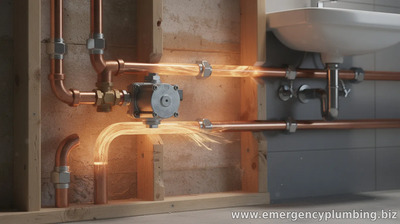
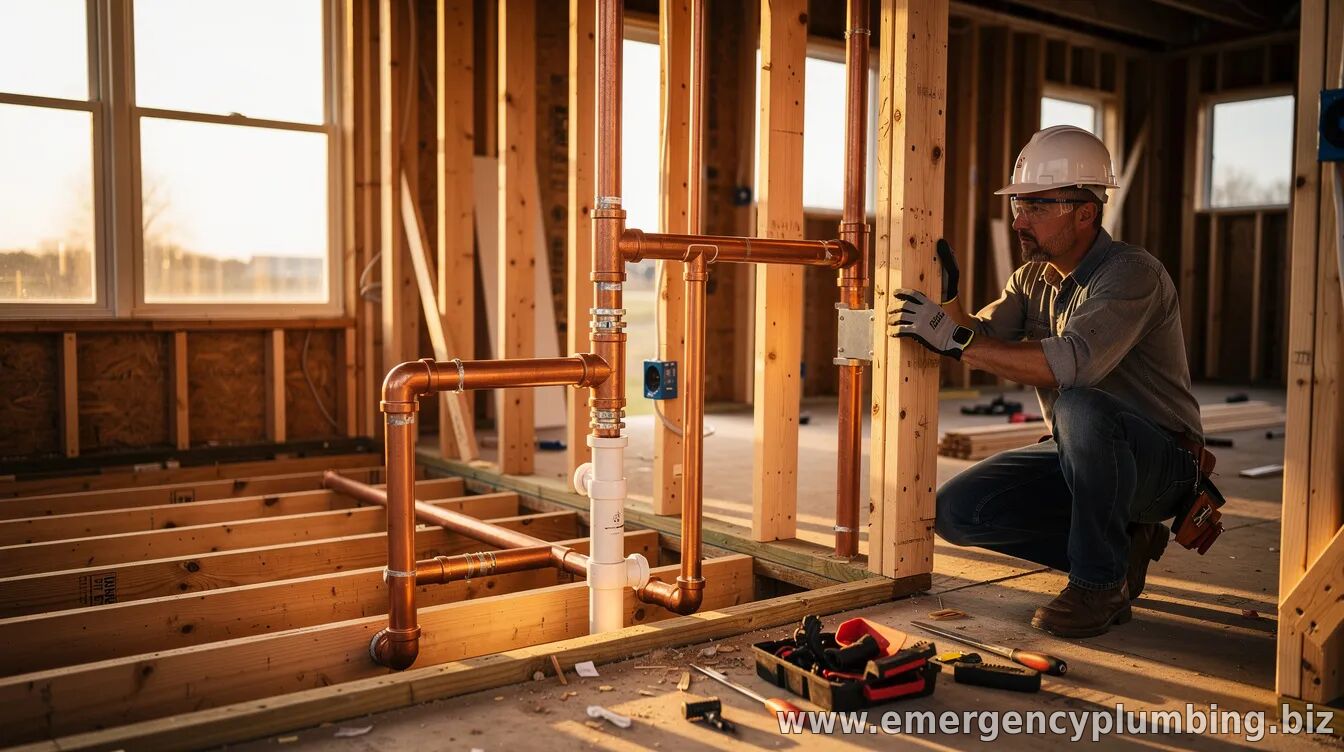
Rough-in plumbing is the stage of a construction or renovation project where the main water supply lines, drain-waste-vent (DWV) piping, and shutoff locations are installed before walls and floors are closed. Although it’s often hidden from view, rough-in plumbing strongly influences whether a home will function smoothly for years—without leaks, odor issues, or recurring repair calls.
Because this work is completed early, it’s also one of the most cost-effective times to correct mistakes. Once drywall goes up and finishes are installed, even small routing errors can become major—and expensive—renovation problems. 1) Pipe placement affects everyday reliability
Many plumbing problems begin with layout and positioning. Rough-in determines where fixtures like sinks, toilets, showers, and washing machines connect, and it impacts how water flows through the home. Correct alignment helps ensure proper flow rates and reduces the risk of drain clogs caused by awkward pipe angles or constrictions.
Good rough-in also supports consistent water pressure at points of use. If supply lines are incorrectly sized or poorly planned, homeowners may notice weak flow at the shower or uneven performance when multiple fixtures run simultaneously. 2) Proper sizing and venting prevent slow drains and odors
One of the most critical elements of rough-in is the DWV system, including venting. Vents equalize pressure so wastewater can leave the building effectively and so traps remain protected. When venting is incorrect or insufficient, drains can become slow, gurgle, or siphon water from P-traps, which can lead to sewer gas odors entering living spaces.
Venting issues are not always obvious during the early stages of construction, which is why thorough planning and inspection are essential before walls conceal the work. 3) Hidden leaks become major problems when finishes are closed
Even a small leak in a concealed pipe run can cause long-term damage to framing, insulation, and flooring materials. Rough-in quality affects the integrity of connections—such as fittings, joints, and transitions—and the overall durability of the piping network.
Because rough-in occurs before surfaces are finished, it also allows for testing. Pressure tests and drain/flow checks (as required by local practice) help confirm that the system holds up under real operating conditions. 4) Code compliance and inspection reduce future headaches
Plumbing codes exist to ensure safety, sanitary operation, and predictable performance. Rough-in plumbing typically must pass inspections before the next construction phase. These inspections verify that pipe types, sizes, routing, venting, and connection methods meet local requirements.
When rough-in is done to code from the start, homeowners are more likely to avoid rework, delays, and disputes with contractors or inspectors later in the project timeline.
Rough-in plumbing may not be visible, but it’s the stage that determines whether a home’s plumbing system works as intended. By focusing on correct layout, proper sizing and venting, careful connection practices, and inspection-ready workmanship, builders can prevent many of the most common and costly plumbing failures—before they’re trapped behind walls.
| |
⏰ Dispatcher support 24/7
📞 224-754-1984CALL ☎ Subscribe 👆 FORUM 🗣
North Shore, Northwest suburbs of Chicago, IL
Next & Previous posts
Related articles: