

2:57 AM How Long Should a Water Heater Really Last? | |
So, how long should a water heater really last? The honest answer is that it varies by type of unit, water quality, installation quality, and how much routine maintenance it gets. Still, there are realistic lifespan ranges that most homeowners can use as a benchmark.
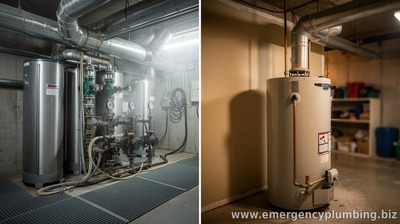
For many households, the deciding factor is whether the system is a conventional storage tank or a tankless (on-demand) heater. In general, tank models are replaced sooner, while tankless units tend to offer longer service life—assuming they’re installed correctly and maintained over time. Tank water heaters: the typical lifespan
Traditional tank water heaters commonly last about 8–12 years. Under good conditions—clean water, proper temperature settings, and regular sediment flushing—some units can reach 12–15 years or a bit more.
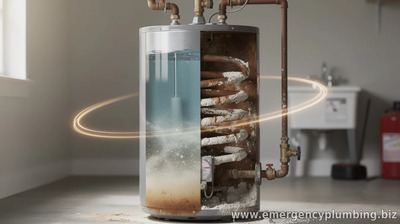
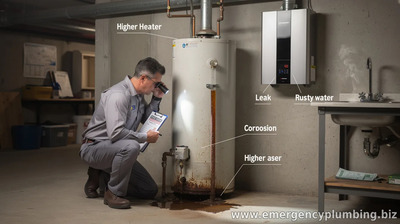
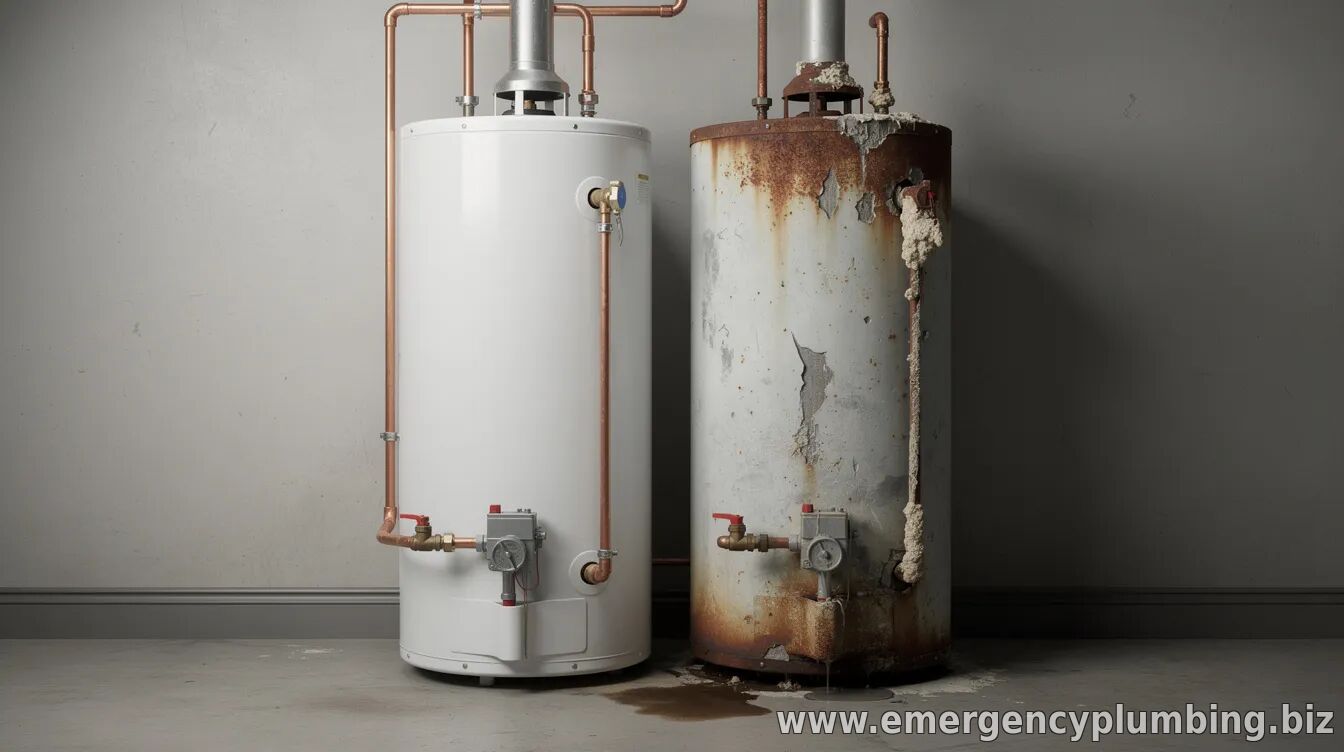
When a tank ages, you may notice warning signs such as slower hot water recovery, fluctuating water temperatures, higher energy bills, rumbling or popping sounds from sediment buildup, or corrosion around the base or plumbing connections. A leaking tank is usually a “replace now” situation rather than a fix-and-forget issue. Tankless water heaters: longer, but not invincible
Tankless water heaters often have a projected lifespan of 15–25 years. Because they don’t store a large volume of water, they can avoid some of the internal wear mechanisms that affect tank systems. However, they can still suffer from mineral scaling, component wear, and burner or heating element degradation.
In regions with hard water, tankless units are especially sensitive to scale buildup. Regular maintenance—such as periodic descaling—helps protect performance and extend service life. Neglecting maintenance can shorten the effective lifespan and lead to more frequent repairs. What most commonly shortens a water heater’s life
Even a new unit can fail early if it’s exposed to the wrong conditions or not maintained. The biggest lifespan killers include:
Natural aging matters, but these preventable factors often explain why two homeowners with “the same” model can experience very different lifespans. How to get more years from your water heater
If your goal is to stretch service life, the best steps are usually straightforward. For tank units, periodic sediment flushing helps reduce buildup that can strain the burner or heating element. For tankless systems, descaling based on local water hardness can protect heat exchangers and maintain efficiency.
Also consider setting the thermostat to a moderate range (commonly around 120°F for many homes), checking for leaks, and ensuring the temperature-and-pressure (T&P) relief valve is functioning properly. If your unit is older, a professional inspection can identify early warning signs before a failure.
In practice, a water heater should be planned for replacement once it nears the upper end of its typical lifespan or when repairs become frequent. A unit that’s still underperforming—despite maintenance—or showing signs of internal corrosion and declining efficiency is often a better candidate for replacement than repeated troubleshooting.
Bottom line: tank heaters usually last 8–12 years (sometimes longer with good maintenance), while tankless systems often last 15–25 years. Use these ranges as a guide, watch for warning signs, and keep maintenance aligned with your water conditions to maximize reliability.
| |
⏰ Dispatcher support 24/7
📞 224-754-1984CALL ☎ Subscribe 👆 FORUM 🗣
North Shore, Northwest suburbs of Chicago, IL
Next & Previous posts
Related articles: