

2:01 AM What to Do If Your Basement Floods (Step by Step) | |
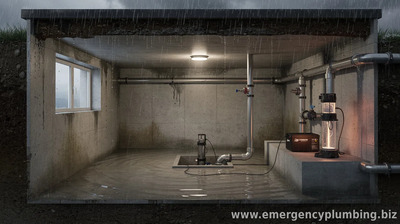
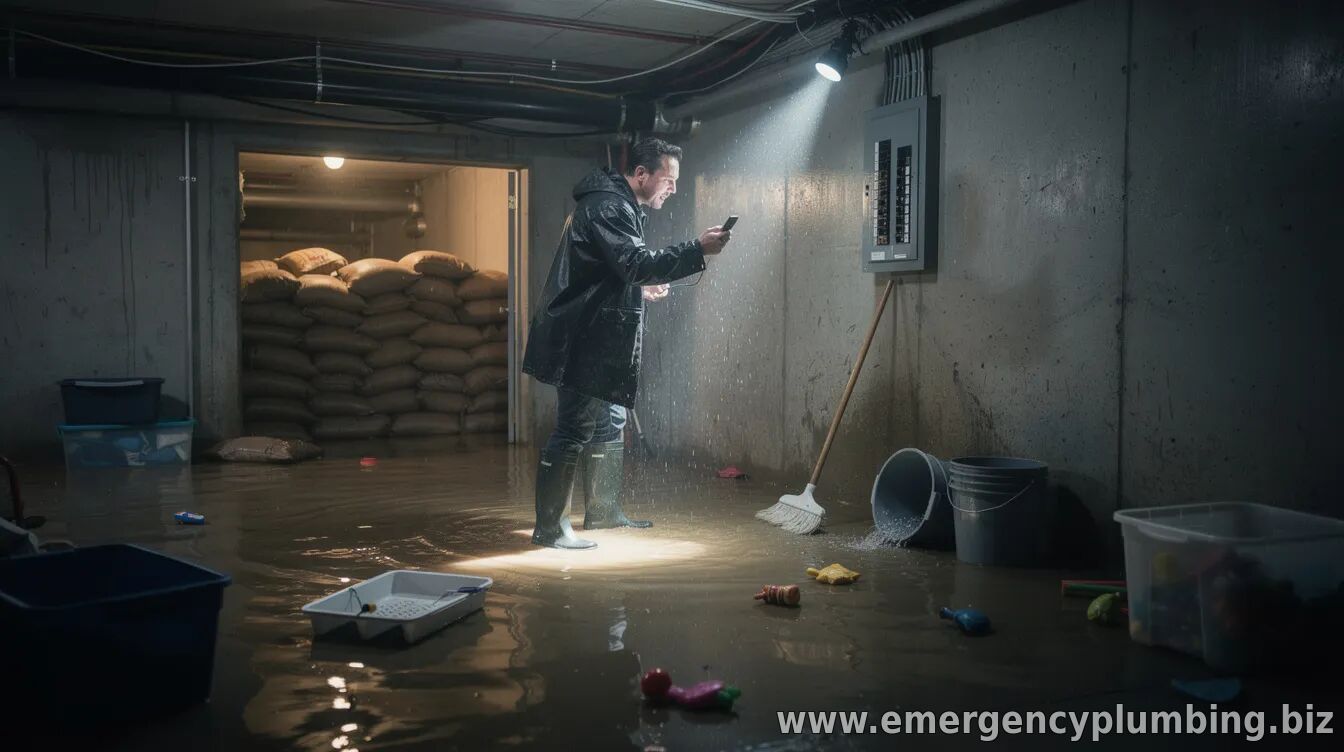
A basement flood can escalate quickly, especially if water contacts electrical systems or leads to mold growth. If it’s happening right now, focus on safety first, then remove water and begin drying as soon as it’s safe to do so.
1) Check immediate safety
2) Turn off power—only if you can do it safely
3) Avoid dangerous water and materials
4) Stop the source of water If the flood is from a broken pipe, leaking HVAC condensate line, or similar indoor issue, shut the water supply off. If the water is entering through the foundation, attempt temporary measures to redirect it (for example, moving items away from entry points), but don’t compromise safety.
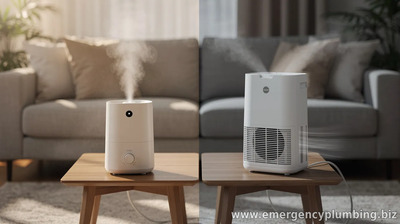
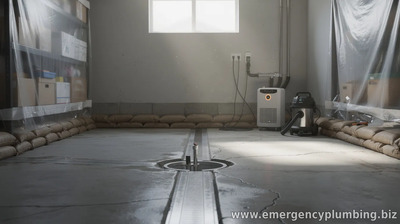
5) Remove water and begin drying early Start pumping or using a wet/dry vacuum if the water level and electrical situation are safe. Use fans and dehumidifiers to dry the space quickly. Move belongings to a dry area only after power is confirmed off and it’s safe to handle items.
6) Document damage for insurance Before discarding anything, take photos and videos of the water level, damaged areas, and key items. Keep receipts for cleanup supplies and any rental equipment. This can help streamline claims after the immediate emergency. 7) Prevent mold while cleanup continues Moisture encourages mold growth within days. Keep air moving, maintain dehumidification, and monitor moisture levels if you have the tools. If materials are heavily soaked or have reached porous areas (like some drywall insulation), they may need removal—consider contacting a certified water damage/restoration company.
8) Know when to call professionals Get help promptly if the water is deep, electrical risks remain unclear, sewage is involved, there’s significant structural damage, or you can’t achieve fast drying. Restoration teams have industrial pumps, extraction equipment, and moisture measurement tools.
9) Take care of next steps Once drying is underway, check for ongoing leaks, remove soaked items as needed, and coordinate with your insurer. If you notice lingering odors or visible mold, stop DIY attempts and escalate to a remediation pro.
If you tell me what caused the flood (storm runoff, sump failure, burst pipe, toilet/sewage backup) and whether the water touched outlets or appliances, I can tailor a safer, more specific step-by-step plan.
What to Do If Your Basement Floods Right Now (Step-by-Step)
| |
⏰ Dispatcher support 24/7
📞 224-754-1984CALL ☎ Subscribe 👆 FORUM 🗣
North Shore, Northwest suburbs of Chicago, IL
Next & Previous posts
Related articles: