

1:22 AM What to Do When Your Sump Pump Fails During a Storm | |
Storms can turn a sump pump from a convenience into a life-safety line of defense. If the unit fails—because of a power outage, mechanical problems, or a clogged discharge line—your priority is to limit how much water enters the home while you buy time for restoration and repairs. 1) Confirm whether the pump is actually failing
Start with quick checks that don’t delay action. Listen for running noise at the pump, look for visible error signs, and check whether other circuits in the home are energized. If the pump has a float switch, confirm it can move freely and isn’t stuck in the “on” or “off” position. If you suspect a jam, do not force the mechanism—begin water control steps immediately. 2) Get water out using temporary backup
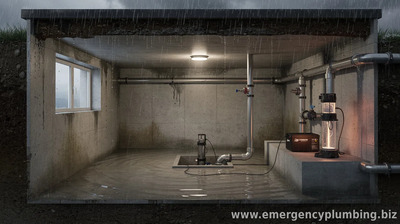
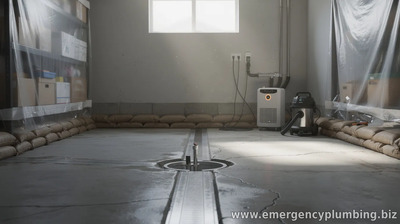
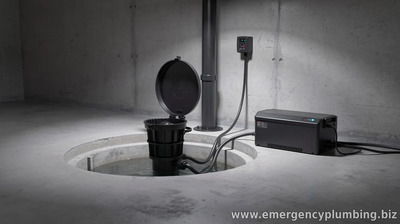
If water is rising, remove it with an emergency method right away. A wet/dry shop vacuum can help in early stages (only if water depth and conditions allow safe operation). If you have one, an emergency battery backup pump or generator-powered pump can keep pace while you address the failure. The goal is to lower water levels below entry points—especially near basement doors, cinder block seams, and floor drains.
Safety note: Avoid working in standing water where electrical equipment is involved unless you’re confident power is safely shut off. If flooding is significant or contaminated, prioritize evacuation and professional assistance. 3) Stop the water path into the basement
Even if you’re pumping, additional entry can overwhelm your efforts. During heavy rain, keep stormwater from flowing toward the foundation by redirecting downspouts, clearing debris from gutters, and ensuring grading and surface paths don’t channel runoff toward basement openings. If water is coming through a specific crack or joint, contain it temporarily with absorbent materials or approved emergency sealing methods—then plan for permanent repairs after the storm.
Also check whether the discharge line is blocked or frozen. If you can safely access it after the immediate threat eases, look for kinks, clogs, or discharge obstructions outdoors. A blocked outlet can make a pump appear to “fail” because the water can’t get away. 4) Prevent damage beyond flooding
Once the immediate surge is controlled, focus on limiting long-term harm. Document water levels and affected areas for insurance. Remove any valuables promptly if it’s safe to do so. If the basement likely contains sewage (for example, water from toilets or backed-up drains), treat it as hazardous: use protective gear and avoid unnecessary contact with contaminated materials.
After pumping stops and the water is no longer rising, dry the space quickly using dehumidifiers and fans if appropriate. Mold can begin developing within a short timeframe, especially after wet building materials remain damp. 5) Restore reliability after the storm
When conditions stabilize, inspect and test the sump system before the next storm. Check the pump’s float movement, clean the basin, confirm the discharge line is clear, and verify the outlet path. If the pump ran continuously or failed to keep up, consider upgrading capacity or adding backup power (battery backup or generator integration). For recurring issues, consult a qualified professional to assess pump sizing, basin depth, check valve performance, and overall drainage design.
Practical takeaway: A storm failure is often a mix of higher-than-normal inflow and a system that can’t keep up—or a maintenance or power gap. The fastest response is temporary water removal, safe electrical practices, and quickly reducing additional water entry while you restore stable pumping.
| |
⏰ Dispatcher support 24/7
📞 224-754-1984CALL ☎ Subscribe 👆 FORUM 🗣
North Shore, Northwest suburbs of Chicago, IL
Next & Previous posts
Related articles: