

1:21 AM Whole-House Dehumidifier for a Chicago Basement: Yes or No | |
Chicago basements are prone to moisture because of seasonal swings, frequent humidity, and the way ground-level spaces hold onto water. That’s why many homeowners ask a simple question: should you install a whole-house dehumidifier—or is it overkill?
In most real-world cases, the answer is “yes, but only if conditions warrant it.” The most important factor isn’t whether you have a basement—it’s whether your basement humidity levels are staying too high over time and whether that’s causing problems. When the answer is “yes”
If you notice any of the following, a whole-house dehumidifier is commonly a smart move in a Chicago basement:
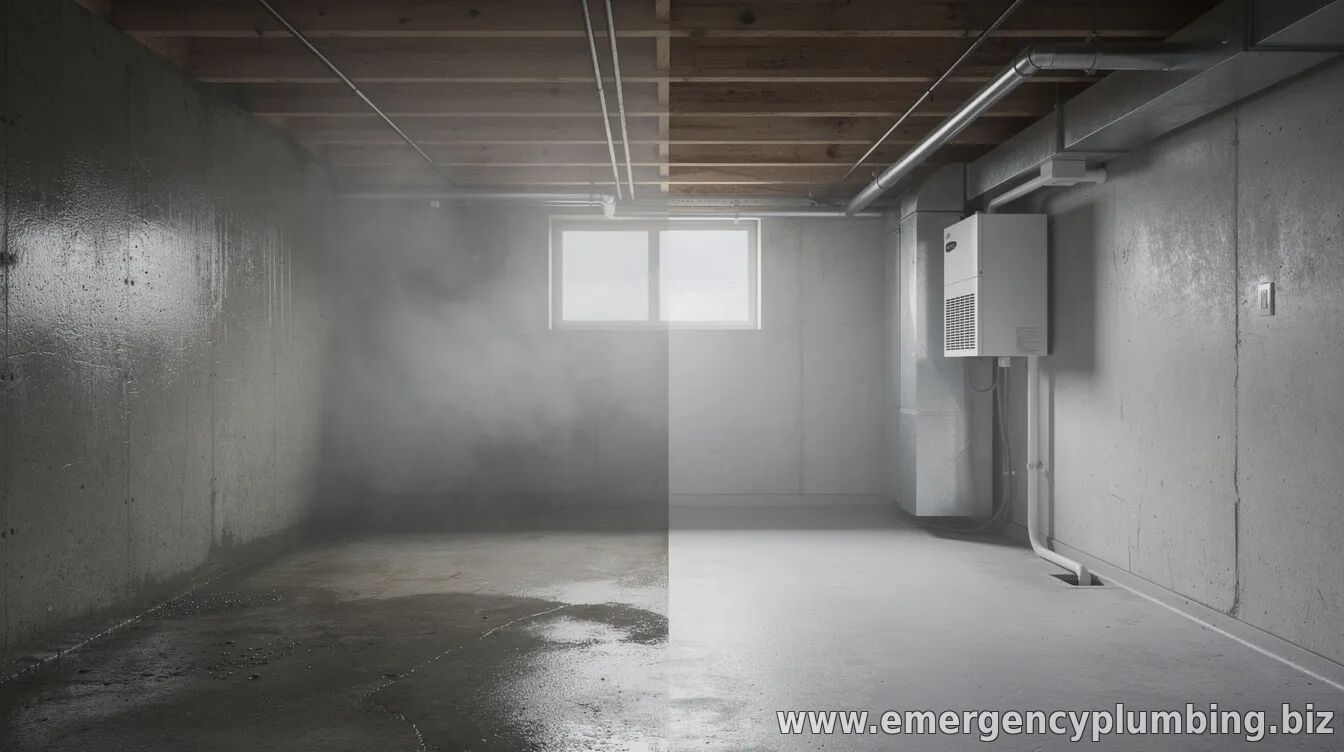
Whole-house units are most effective when moisture is distributed throughout the basement, because they treat air at the source rather than relying on portable dehumidifiers room by room. When the answer is “no”
A whole-house dehumidifier may be unnecessary if your moisture is already under control and your basement rarely crosses into “too humid” territory. Consider skipping it (or starting with targeted steps) if:
In these situations, adding a dehumidifier could be redundant, or worse, could create an unnecessary operating cost and airflow imbalance. What to measure before deciding
If you’re unsure, take one practical step: measure humidity for at least a week—ideally across different weather conditions. Use a reliable hygrometer in the basement and pay attention to patterns, not just one reading. If you frequently see levels above your comfort target (commonly around 50–55% for many basements), the case for a whole-house unit strengthens.
Also watch for telltale signs that humidity is translating into damage: peeling paint, warped baseboards, recurring condensation, or lingering damp smells that return after cleaning. The bottom line
Yes—usually if your Chicago basement shows sustained high humidity or recurring moisture symptoms across more than one area. No—sometimes if monitoring shows humidity is already controlled and the remaining problems are localized or already addressed.
If you want a confident “yes” or “no,” base the decision on two things: measured humidity trends and what moisture damage signs you’re actually seeing. That approach is more reliable than guesswork—and it helps you choose the right solution for your specific basement.
| |
⏰ Dispatcher support 24/7
📞 224-754-1984CALL ☎ Subscribe 👆 FORUM 🗣
North Shore, Northwest suburbs of Chicago, IL
Next & Previous posts
Related articles: