

5:46 AM Humidifier vs. Dehumidifier: Which Your Home Needs? | |
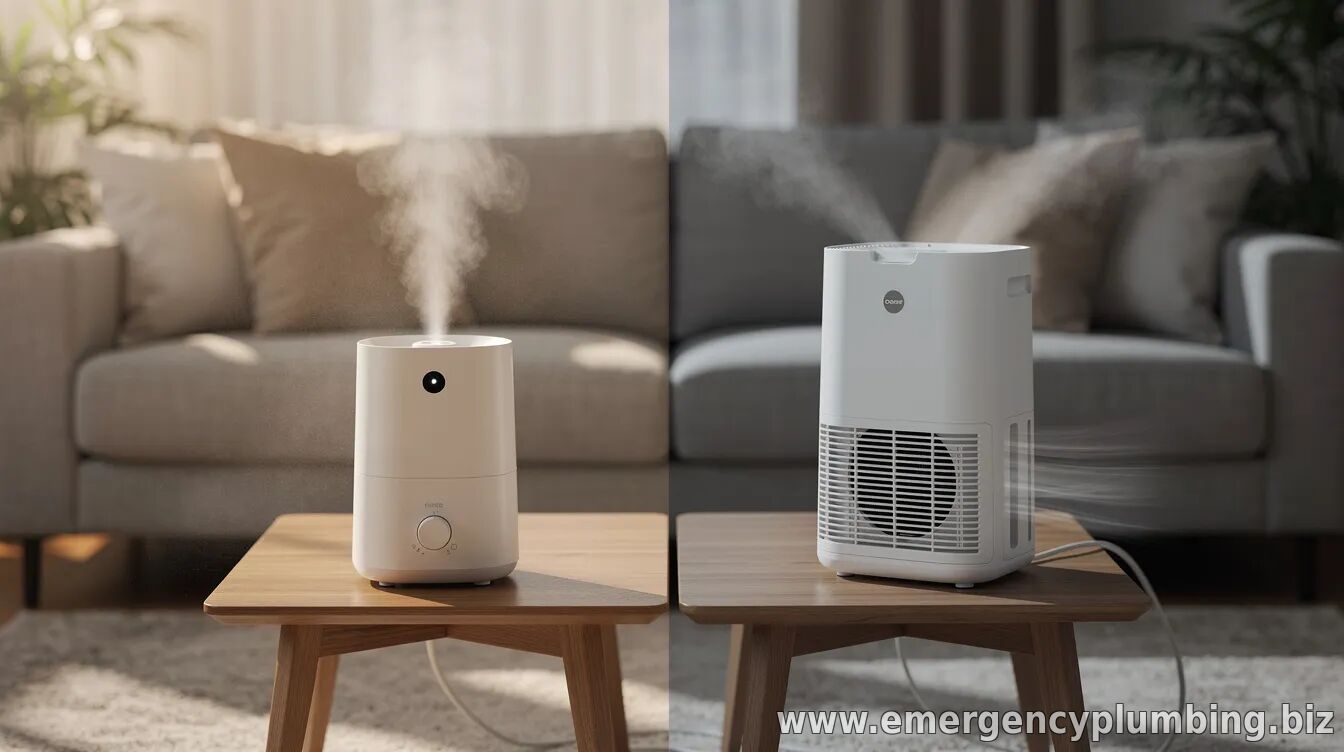
When indoor air feels uncomfortable, it’s often a humidity problem—not a temperature issue. A humidifier adds moisture to dry air, while a dehumidifier removes excess water vapor from the atmosphere. The right choice depends on your current humidity levels and the issues you’re seeing in your home.
Most indoor health and comfort guidance centers on keeping relative humidity in a manageable range. In general, indoor relative humidity is often recommended around 30%–50% for comfort and to help limit dust mites and mold growth. Signs you may need a humidifier
If your home’s air is too dry, you might notice symptoms such as dry skin, irritated eyes, a scratchy throat, or more static electricity than usual. Dry air can also make wood trim shrink slightly, contribute to cracking in some finishes, and worsen congestion for some people.
These issues tend to be more common during colder months or in climates where indoor heating runs for long periods. Heating can lower relative humidity even if the amount of moisture in the air hasn’t changed dramatically, so humidity levels can drop quickly after turning the heat on. Signs you may need a dehumidifier
Excess moisture can be harder to ignore. When humidity is too high, you may see condensation on windows, feel a clammy “stuck” air sensation, or detect persistent musty odors. Over time, high humidity can encourage mold growth—particularly in bathrooms, basements, crawl spaces, and behind furniture near exterior walls.
Visible mold isn’t the only concern. Even without obvious spots, damp indoor air can increase the likelihood of allergy flare-ups for some residents. Keeping humidity under control is also important after leaks, heavy rain, or humid summer weather. How to decide: measure first
The fastest way to choose the right device is to measure. A basic hygrometer (often inexpensive) can track relative humidity. If your readings are consistently below the target range—especially below about 30%—a humidifier may help. If readings are persistently above 50%, a dehumidifier is usually the better approach.
It’s also useful to consider the source of moisture. Bathrooms and kitchens can spike humidity from cooking and showers. Basements and crawl spaces may bring in dampness from the ground or poor ventilation. If humidity swings sharply by time of day, ventilation and bathroom exhaust performance may be part of the solution alongside any device. Common operating tips and trade-offs
Humidifiers require attention to cleanliness because moisture can support microbial growth if not maintained properly. Using distilled or properly filtered water can reduce mineral buildup, and regular cleaning helps prevent odors.
Dehumidifiers also need upkeep—particularly with drainage. Some models collect water in a tank, while others drain continuously. Like humidifiers, dehumidifiers work best when filters and coils are maintained and when the device is sized appropriately for the space.
In many homes, the optimal approach is targeted control rather than constant operation. Fans, ventilation, and addressing leaks can reduce the workload on either unit. Bottom line
Choose a humidifier if your indoor humidity is too low and you’re experiencing dryness-related discomfort. Choose a dehumidifier if humidity is too high and you’re seeing condensation, musty smells, or signs of dampness. For most households, aiming for 30%–50% relative humidity provides a practical balance between comfort and moisture risk.
| |
⏰ Dispatcher support 24/7
📞 224-754-1984CALL ☎ Subscribe 👆 FORUM 🗣
North Shore, Northwest suburbs of Chicago, IL
Next & Previous posts
Related articles: