

0:30 AM Outdoor Fountain Winterization in Illinois: A Step-by-Step Guide | |
Outdoor fountains add ambiance in Illinois yards, but they’re also vulnerable to freeze damage. When water expands in pipes or the pump housing during cold snaps, costs can quickly rise—from jammed impellers to cracked bowls.
Winterization is the key: the goal is to remove or protect water components, safeguard electrical parts, and prevent trapped moisture from freezing. The steps below are a practical checklist for most common fountain types in the Midwest climate. 1) Time it right before deep freezes
Start once nighttime temperatures consistently drop toward freezing—typically in late fall as Illinois heads into sustained cold. If your fountain is exposed to early snow or frequent dips below 32°F, winterize sooner to avoid accidental freeze cycles.
Also plan to shut it down before ice forms. A short delay can allow water inside the pump or tubing to freeze, creating the very pressure winterization is meant to prevent. 2) Unplug and protect electrical components
Turn the fountain off and unplug it from the power source. If your fountain uses a GFCI outlet or transformer, keep those components dry and protected from moisture and ice. Never wrap wet electrical parts in tight coverings—condensation can contribute to corrosion.
If the pump is removable, disconnect hoses and cords, then bring the pump indoors to a dry, temperature-stable space whenever the manufacturer recommends it. 3) Drain water from the systemDrain the fountain basin and any connected lines. For recirculating pumps, remove the pump and allow it to fully drain. Water left in low points—especially in tubing—can freeze and split fittings.
If your fountain design allows it, remove any removable nozzles or spouts and drain them separately. Small cavities are common trouble spots for trapped water. 4) Remove or protect the pump
Most fountain pumps should not be left outdoors in freezing conditions. Bring them indoors for winter storage if you can. Before storage, rinse off debris, dry the exterior, and store in a sealed container or in a dry area to limit dust and moisture exposure.
Some users add a small amount of RV antifreeze intended for potable or non-toxic applications only if the manufacturer explicitly permits it for the pump and materials. If you’re unsure, stick to the safer route: remove and store the pump. 5) Deal with the basin: drain, cover, or use expansion protection
If the fountain bowl can be fully drained, do so and leave it dry. Standing water that remains after draining can freeze in seams or in decorative rock/foam inserts.
For basins that don’t drain completely (or where residual water is unavoidable), you may need expansion protection. The most common approach is placing an appropriate expansion device in the basin after it’s clean and drained as much as possible. Avoid improvised items that can trap water in crevices.
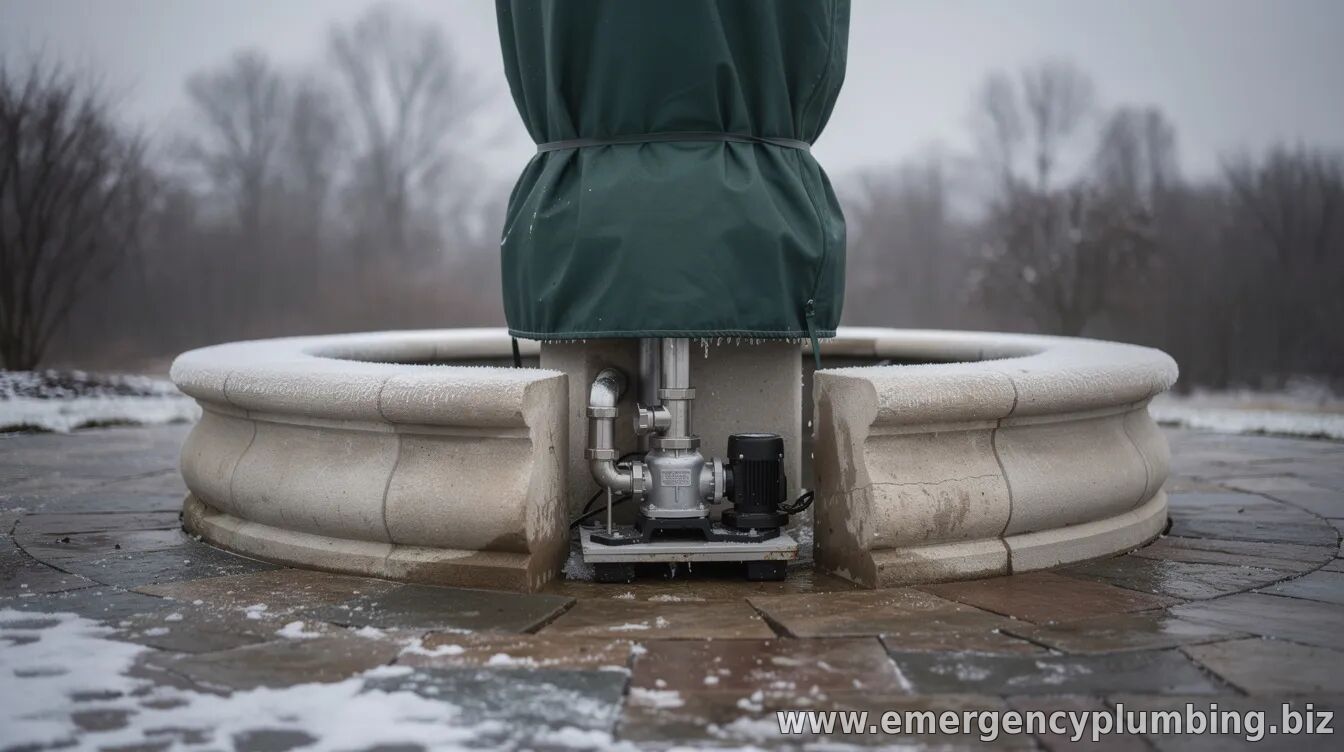
After the system is dry, cover the fountain to reduce debris buildup—especially leaves and branches that can clog drains or cause algae in early thaw periods. 6) Inspect for cracks and wear before spring
Before you fully pack up, take a moment to inspect the basin, pump mounts, hoses, and fittings for early signs of wear—hairline cracks, loose fittings, or brittle tubing. Catching small issues now prevents bigger failures after spring startup.
When you’re ready to restart in Illinois spring, remove covers, reassemble components, and check that tubing routes are free of kinks. Run the fountain briefly and confirm proper flow before leaving it unattended.
With Illinois’s freeze-thaw swings, winterization is less about one single action and more about preventing trapped water in the pump and plumbing. If you follow the steps above—especially draining thoroughly and protecting electrical parts—you’ll greatly reduce the risk of winter damage and help your fountain return smoothly when warmer weather arrives.
| |
⏰ Dispatcher support 24/7
📞 224-754-1984CALL ☎ Subscribe 👆 FORUM 🗣
North Shore, Northwest suburbs of Chicago, IL
Next & Previous posts
Related articles: