

1:19 AM Causes of Sewer Gas Smell Inside a House | |
A persistent “sewer gas” or rotten-egg smell inside a home is most often linked to plumbing and drain systems that are failing to keep gases contained. While the odor is unpleasant, it can also signal a ventilation or blockage issue that may require prompt attention.
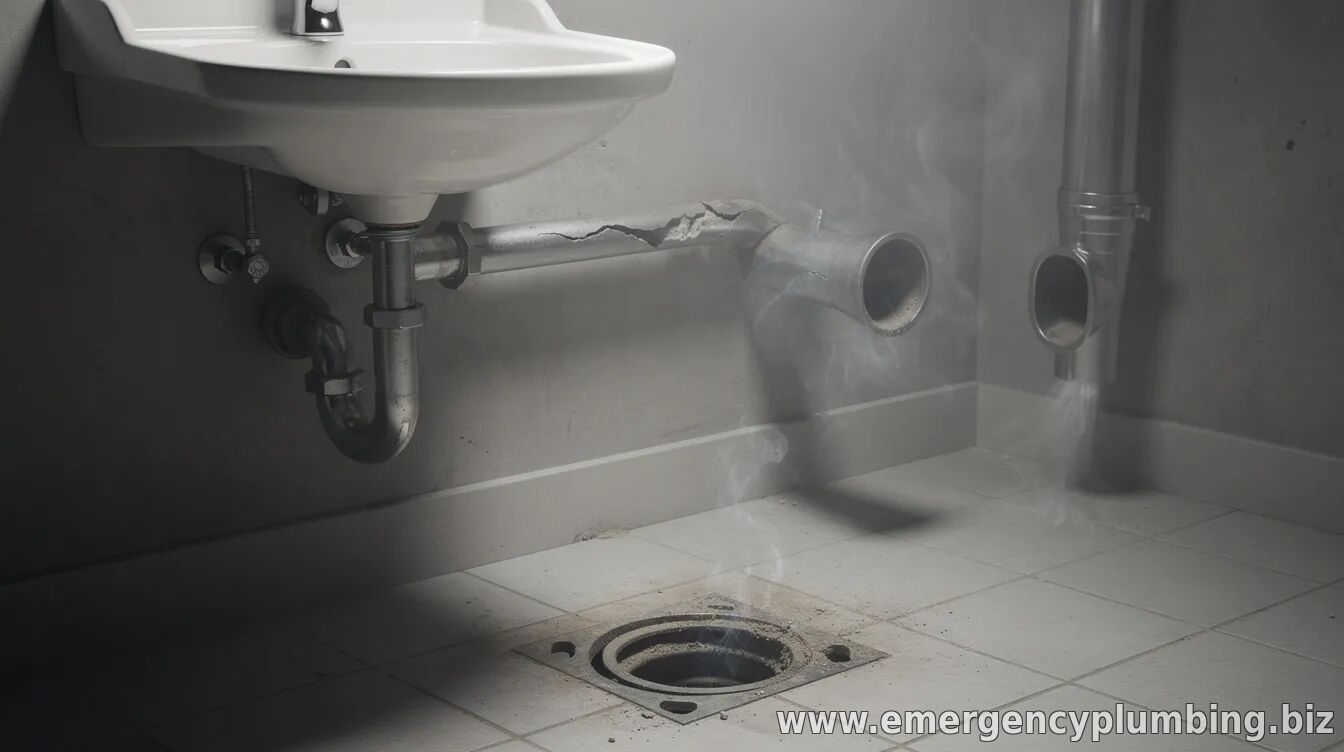
“Sewer gas” typically refers to gases produced in wastewater, including hydrogen sulfide, which can smell like rotten eggs. These gases can enter a house when they bypass the traps and vents designed to keep them out. Dry or broken water seals in plumbing traps
Inside most sinks, tubs, and floor drains are P-traps or S-traps that hold a small amount of water. That water acts like a seal, preventing sewer gases from escaping through the drain. If the seal dries out (for example, a rarely used bathroom) or a trap is misinstalled, the odor can appear.
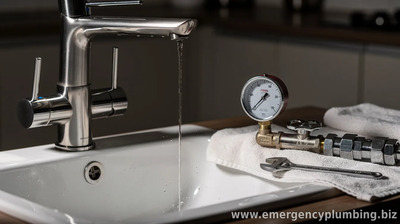
Similarly, plumbing leaks under a sink or a loose fitting can reduce or disrupt the water seal over time. Blocked or improperly vented drain lines
Drain systems rely on vent pipes to maintain proper air pressure and allow gases to exit safely. If a vent is blocked by debris, insects, or ice, sewer gases may not vent properly and can instead push into the home—sometimes noticeable when water is running.
Vent issues can also be caused by damaged or incorrectly installed venting, or by modifications to plumbing that were not permitted or inspected. Clogged drains, partial backups, or slow flow
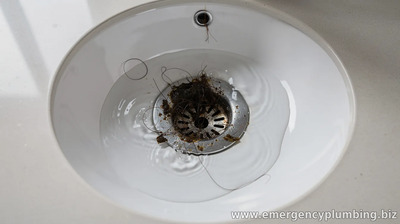
If drains are slow, gurgle, or back up slightly (even without a full overflow), gases from wastewater may accumulate and find another path indoors. A partial blockage further down the line—such as grease buildup, tree-root intrusion, or flushed debris—can increase pressure and worsen odor.
Pay attention to whether multiple fixtures (for example, a shower and toilet) show symptoms at the same time. Wiring through the wrong pathways: toilet wax rings and sewer connections
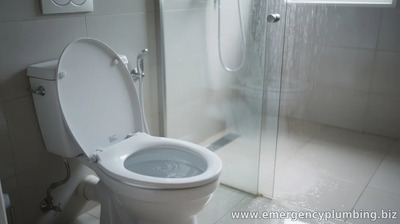
Toilet leaks are a common source of foul odors. A failed wax ring or damaged flange seal can allow gases (and sometimes small leaks) to escape around the toilet base.
Likewise, problems at cleanouts, plumbing joints, or the connection between the house and the main sewer line can create pathways for gases to enter. Outdoor sewer line issues and building drainage problems
If the main sewer line is compromised—by a crack, collapse, or tree-root intrusion—gases can escape near the foundation. Surface drains and soil conditions can also influence odor; for example, high groundwater or poor slope around the house may direct waste gases toward entry points.
In these scenarios, odor may be stronger after rain or during periods of heavy water use. When to act quickly (and when to call a professional)
Not all sewer gas causes are the same, and some require specialized tools to locate. If the smell is new and persistent, or if you notice slow drains, gurgling, standing water, or suspected backup, consider contacting a licensed plumber or a sewer service technician.
Take immediate precautions: ventilate the area, avoid prolonged exposure, and do not attempt to open sealed lines or deep cleanouts without guidance. If you suspect a significant backup or any risk of sewage overflow, professional help is the safer route.
Common fixes depend on the root cause—such as re-filling dry traps, clearing clogs, restoring venting, resealing a toilet, or repairing a damaged section of piping. Addressing the underlying problem is the key to eliminating the odor for good.
| |
⏰ Dispatcher support 24/7
📞 224-754-1984CALL ☎ Subscribe 👆 FORUM 🗣
North Shore, Northwest suburbs of Chicago, IL
Next & Previous posts
Related articles: