
0:55 AM What Heavy Rain Can Do to Sewer Lines in Illinois | |
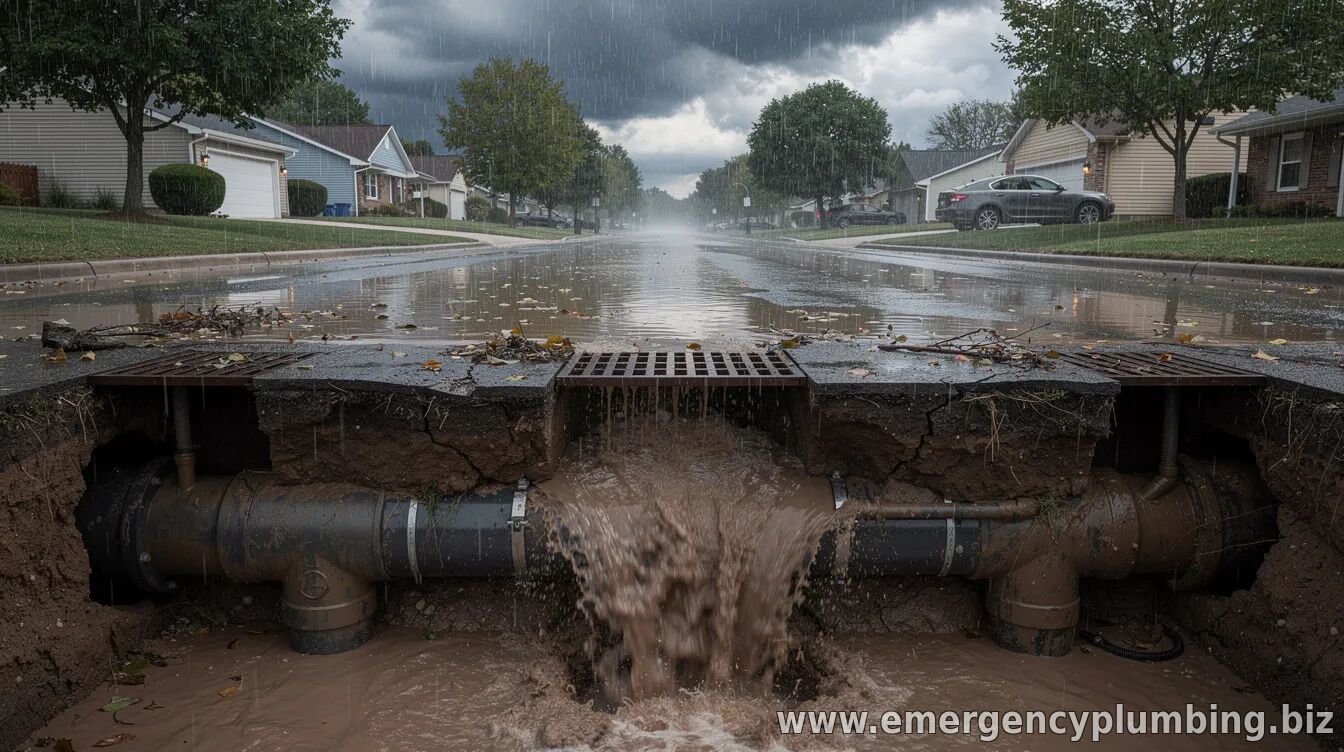
Heavy rain in Illinois can put sudden, unexpected stress on sewer lines—especially where aging infrastructure or combined sewer systems handle both wastewater and stormwater. When water levels rise quickly, the system may be unable to move everything through as designed, leading to overflows, infiltration, and sometimes dangerous backups.
Because Illinois experiences intense storms in many regions, heavy rainfall events can trigger problems that take days to resolve. The impact often depends on local infrastructure, ground conditions, and whether your neighborhood has a combined or separate sewer system. Why heavy rain affects sewer lines
Most sewer systems rely on gravity and controlled flow rates. During heavy storms, stormwater can enter the wastewater system through cracks, aging joints, improperly sealed connections, or curb-side inlets that route water into the same network in some areas. This extra water increases pressure and volume in pipes that were not intended to handle rainfall at that scale. Common problems homeowners may notice
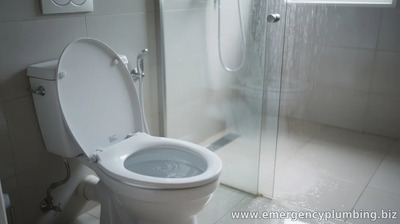
When stormwater overwhelms capacity, sewer line issues can show up in several ways. You might notice slow drains, gurgling sounds from sinks or toilets, sewage odors near drains, or water backing up in the lowest plumbing fixtures. In some cases, a basement may take on water if the backup reaches household plumbing.
Heavy rain can also contribute to sewer line infiltration—clean water entering the system—followed by overflows when treatment plants or downstream pipes are overloaded. These events may release untreated or partially treated wastewater to the environment, which is a concern for public health and waterways. How flooding increases risk beyond the plumbing
Stormwater-driven backups aren’t just inconvenient. Sewage can contaminate surfaces, creating hazards for children, pets, and anyone with open cuts or compromised immune systems. Even after water recedes, contaminated materials may remain in basements, crawl spaces, or near floor drains.
If your home experienced a backup during a storm, cleanup and disinfecting should follow local guidance, and it’s wise to document the damage for insurance purposes. Avoid contact with contaminated water without appropriate protection. What you can do before and after storms
Proactive steps can reduce the likelihood of damage during major rain events. Homeowners can also respond quickly when warning signs appear.
After a heavy rain, if you suspect a sewer backup, don’t ignore it. Use a licensed sewer contractor or plumber to inspect the line and connections, particularly if you observed sewage discharge or persistent drainage problems. For recurring issues, a professional can help identify infiltration points and recommend repairs. When to call for help immediately
Seek urgent assistance if sewage backs up into bathrooms or basements, if toilets or drains become completely unusable, or if you notice strong sewage odors alongside standing water. In these situations, minimizing exposure and restoring safe plumbing operation quickly is critical.
Heavy rain can be a catalyst for sewer line failures in Illinois, but the warning signs often appear early—if you know what to look for. By understanding how rainfall can overwhelm systems and by taking preventive measures, homeowners can reduce damage, protect health, and get repairs underway sooner when problems occur.
| |
⏰ Dispatcher support 24/7
📞 224-754-1984CALL ☎ Subscribe 👆 FORUM 🗣
North Shore, Northwest suburbs of Chicago, IL
Next & Previous posts
Related articles: