

9:00 AM Under-Sink Reverse Osmosis: DIY vs Hiring a Plumber | |
Under-sink reverse osmosis systems promise better-tasting water and an additional layer of filtration for many households. But the install typically involves plumbing connections, shutoff decisions, and careful leak-proofing—factors that can determine whether a DIY setup goes smoothly or turns into an ongoing water problem.
So the question many homeowners ask is simple: should you install the RO system yourself, or call a plumber? The answer depends less on the brand and more on your experience with small plumbing tasks, your home’s plumbing layout, and how comfortable you are with troubleshooting. What a typical RO under-sink install involves
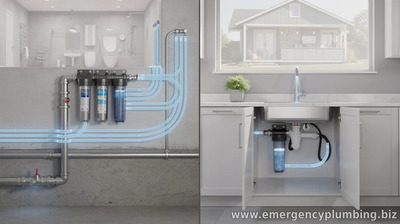
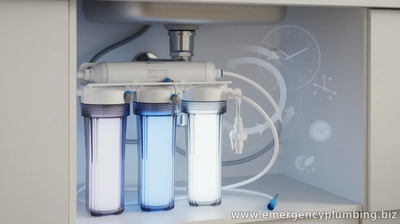
Most under-sink RO installations follow a similar workflow: mounting a storage tank (often under the cabinet), connecting feed water to the unit via a cold-water source, adding a drain line to handle reject water, and running an outlet line to the dedicated RO faucet. The process also requires connecting filters and membranes correctly, then flushing and testing the system for performance and leaks.
Because these connections sit under a sink cabinet—where access is tight and damage can be hidden—install quality matters. Even small issues, like a loose fitting or incorrect tubing routing, can lead to dripping, cabinet water damage, or reduced system output. When DIY installation is usually reasonable
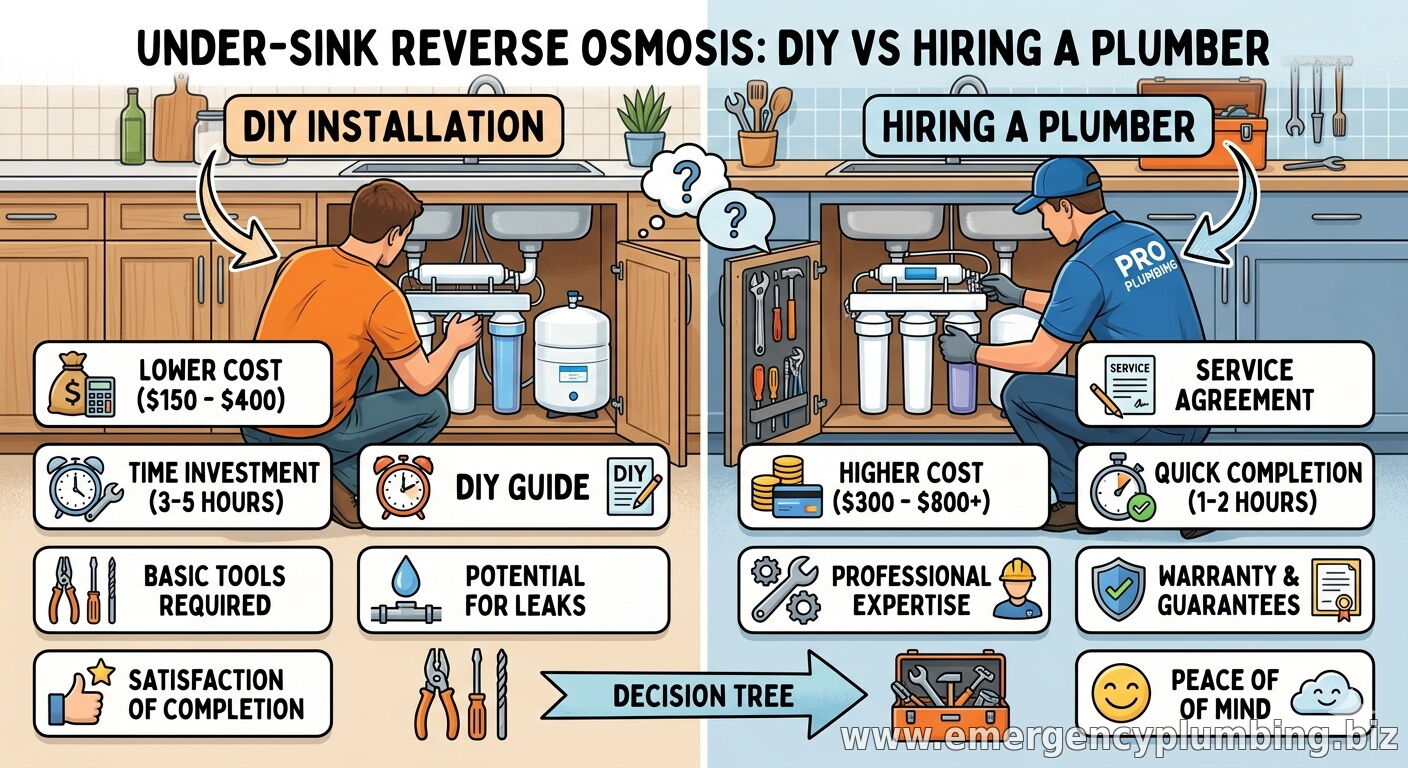
DIY can be a good choice if the installation requirements match your skill level and your plumbing setup is relatively simple. Consider handling it yourself when you have: clear instructions for your exact model, basic tools for tightening fittings and routing tubing, and a steady ability to follow step-by-step guidance without improvising.
DIY is often most practical if you already have a suitable cold-water shutoff valve nearby, adequate space under the cabinet for tank and filter housings, and you’re comfortable performing leak checks after installation. Many manufacturers provide guided flushing steps and recommend an initial start-up sequence that you can follow closely. Reasons to call a plumber instead
Even if you’re handy, there are scenarios where hiring a licensed plumber is the safer path. If you’re dealing with questionable supply-line conditions, outdated fittings, or restricted access that makes it hard to confirm watertight seals, the risk of a leak increases. Similarly, if your sink plumbing uses older or non-standard connections, the “kit included everything” assumption may not hold.
A plumber may also be worth it if you want the peace of mind of professional workmanship—especially because the system’s performance depends on correct installation, including appropriate drain-line connection and secure tubing routing. If you’re not confident identifying where to tap in, how to use the included shutoff/adapter parts, or how to verify pressure and flow, calling a pro can prevent frustration and rework. Cost and risk: comparing the real trade-offs
DIY often looks cheaper upfront because you’re avoiding labor costs. However, the hidden cost comes from time, potential parts replacement, and the consequences of slow leaks or incorrect start-up procedures. If you discover an issue after water damage has already affected cabinetry or flooring, repair costs can outweigh the savings.
On the other hand, a plumber’s quote may cover not only the installation but also diagnostic certainty—helpful when the underlying plumbing conditions are unclear. Many homeowners find the cost of professional installation becomes more reasonable once you consider the value of avoiding repeated trial-and-error.
For the lowest stress outcome, treat your decision as a risk-management choice: DIY when conditions are straightforward and you can follow instructions carefully; hire a plumber when plumbing complexity, access issues, or fitment uncertainties raise the chance of leaks or improper operation.
| |
⏰ Dispatcher support 24/7
📞 224-754-1984CALL ☎ Subscribe 👆 FORUM 🗣
North Shore, Northwest suburbs of Chicago, IL
Next & Previous posts
Related articles: