

0:51 AM Do Heat Pumps Work in Illinois Winters? | |
Heat pumps are increasingly common in Illinois, driven by rising electricity price awareness and the long-term push to cut home emissions. The key question for many homeowners remains simple: do heat pumps reliably heat homes during Illinois winters?
In general, heat pumps can provide effective heating throughout the colder months, including when temperatures drop well below freezing. However, how well they perform—and how much they cost to run—depends on system design, proper sizing, installation quality, and whether you have an appropriate plan for the coldest days. How heat pumps heat in the cold
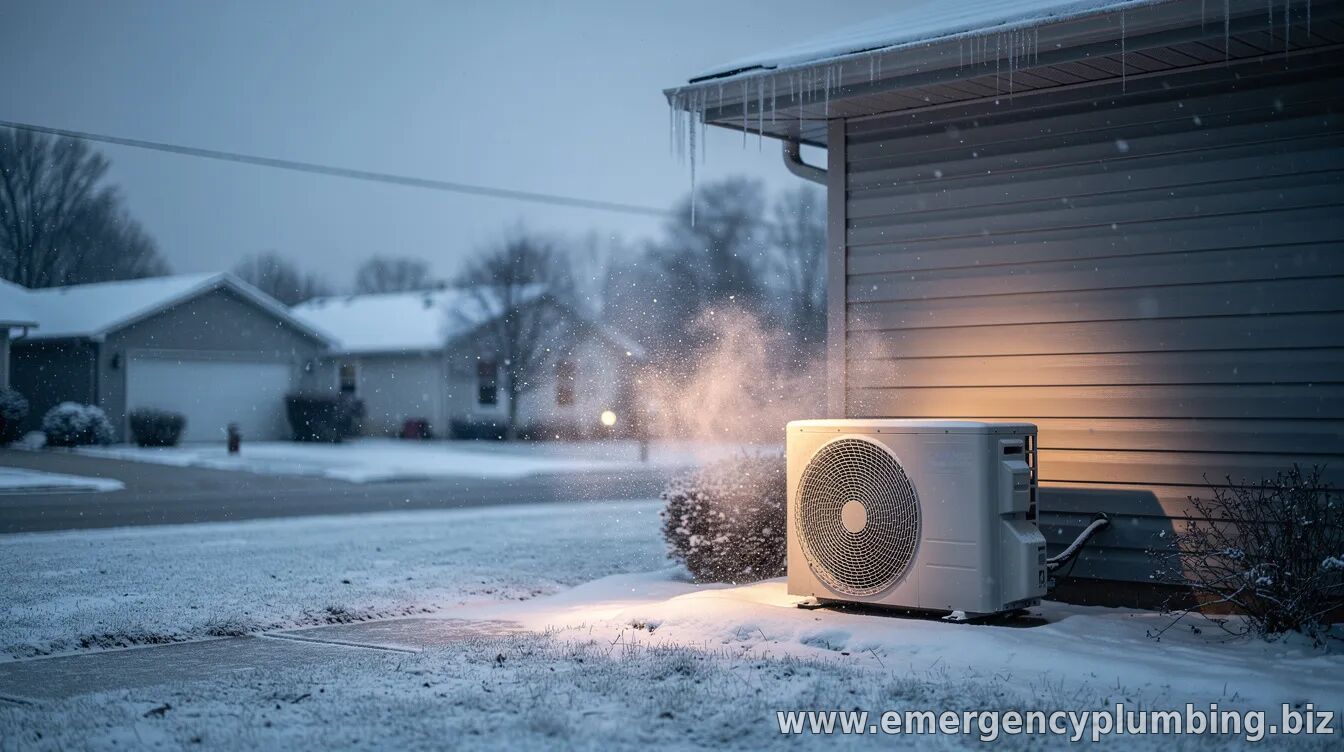
A heat pump moves heat from outdoors to indoors using a refrigeration cycle. In winter, it typically runs in “heating mode,” extracting heat even when outdoor air is cold. When temperatures fall, the system may become less efficient, but it can still deliver useful heat.
In very cold conditions, many heat pumps use either built-in electric resistance (auxiliary heat) or a backup heat source. This helps maintain comfortable indoor temperatures, even if the heat pump’s efficiency declines during the coldest weather. What Illinois winter temperatures mean for performance
Illinois winters vary by region, with occasional deep cold spells that can challenge any air-source system. Heat pumps generally perform best when outdoor temperatures are moderately cold (roughly the range where the heat pump still has strong efficiency). During the coldest periods, the system may rely more heavily on supplemental heating.
The practical takeaway: heat pumps are usually a strong fit for Illinois if they’re installed correctly and paired with insulation upgrades, efficient windows, and a properly designed backup approach. Why correct sizing and installation matter
One of the biggest determinants of whether a heat pump “works” in winter is whether it matches the home’s heating load. If a system is undersized, it may struggle during cold weather and run its backup heat more often. Oversizing can also cause inefficiencies and short cycling.
Installation details are equally important: refrigerant charge accuracy, proper airflow across the outdoor unit, correct thermostat settings, and well-sealed ductwork (if applicable) all influence real-world heating comfort and operating cost.
Backup heat: the comfort plan for the coldest nights
Most homeowners don’t need backup heat to run constantly, but they benefit from a clear strategy for extreme weather. Many systems are configured so that the heat pump provides primary heat until a specific outdoor temperature (often called the “balance point” or a manufacturer-defined threshold). Below that, supplemental heat may take over more.
Choosing the right backup depends on what you already have. For some homes, retaining an existing furnace for the coldest days can reduce risk and keep bills predictable. For others, an efficient backup—along with careful thermostat programming—can provide smooth performance without frequent, high-cost heating. Do cold-climate heat pumps make a difference?
Yes. “Cold-climate” heat pumps are designed to maintain heating performance at lower outdoor temperatures, often with enhancements such as improved compressor control, optimized defrost strategies, and better low-ambient operation. While they can be more expensive upfront than basic models, they may reduce how often you rely on supplemental heat during Illinois winter cold snaps.
For homeowners planning a replacement or new installation, considering a unit with strong low-temperature specifications—and matching it to the home’s heating needs—can improve comfort and reduce operating unpredictability. What homeowners should do before switching
If you’re considering a heat pump in Illinois, focus on the factors that drive real results rather than marketing claims. Start with a whole-home assessment to estimate heat-loss, then pair the system with weatherization improvements where needed. Even a well-performing heat pump can struggle in a poorly insulated home because the building demands constant heat.
Finally, confirm how the installer will set controls for supplemental heat and confirm the expected performance at low outdoor temperatures. A transparent discussion of winter operating expectations is often the difference between a smooth experience and frustration.
Bottom line: Heat pumps can work well in Illinois winters, especially with cold-climate-rated equipment, correct sizing, high-quality installation, and a thoughtful backup/controls strategy for extreme cold. For most homes, the best outcomes come from combining the heat pump with efficiency upgrades that reduce the overall heating load.
| |
⏰ Dispatcher support 24/7
📞 224-754-1984CALL ☎ Subscribe 👆 FORUM 🗣
North Shore, Northwest suburbs of Chicago, IL
Next & Previous posts
Related articles: