11:33 AM Illinois Energy Rebates for High-Efficiency Heating Systems | |
Illinois offers multiple pathways for customers to lower the upfront cost of upgrading heating equipment, particularly when switching to high-efficiency systems. While program rules vary by utility service territory and by the technology you install, many offerings share common requirements such as pre-approval, qualifying equipment specs, and use of participating contractors.
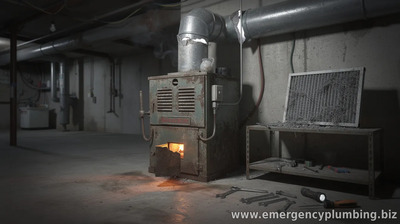
In practice, rebates for high-efficiency heating most often target improvements that reduce fuel use and emissions—such as upgrading furnaces, adding or replacing boilers, and installing heat pumps designed for cold-weather performance. Common Illinois rebate targets for heating upgrades
Many rebate programs focus on measurable efficiency gains and verified performance. Customers commonly look for incentives connected to:
Some programs also support tune-ups or related measures, but the largest incentives usually align with a new, qualifying heating system and documented installation. How to check eligibility and required steps
Before booking an installer, it’s important to confirm eligibility and follow the program’s process. Most incentive frameworks require that the project is completed under specific rules, such as:
Programs may also distinguish between standard and income-qualified customers, which can change rebate amounts or whether certain measures qualify more readily. Where Illinois customers typically find heating rebates
Rebates are usually administered through utility-run energy efficiency programs and related statewide initiatives. Homeowners typically start by checking their electric and/or gas utility’s “rebates and incentives” pages for heating equipment offerings in their service territory.
Because rules can change and equipment lists are updated, the most reliable approach is to use the official program website associated with your utility account—then compare your planned equipment and contractor with the program’s qualifying requirements. Planning tips to maximize your incentive
To improve your odds of receiving a rebate, prioritize clarity early in the process:
Get quotes that match qualifying specs. Ask whether the installer can provide documentation needed for the program and whether the equipment is on the approved list (if one exists).
Ask about timing and pre-approval. Some programs require you to apply before installation or reserve eligibility. Waiting can complicate or eliminate the incentive.
Consider whole-home performance. If you’re moving from an older system, pairing the heating upgrade with air sealing or insulation can reduce heat loss and improve comfort—often helping the system perform as intended.
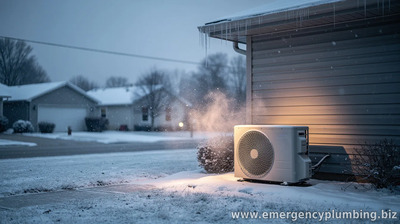
Verify heat pump suitability in colder months. If you’re considering heat pumps, confirm the unit’s cold-weather ratings and whether the design matches your home’s heating load and duct situation. What to expect after installation
After a qualifying installation, customers typically complete a rebate claim process that may include proof of purchase, installation confirmation, and performance verification. In many cases, contractors handle the submission steps or provide the documentation you’ll need.
If a rebate is approved, payouts may be delivered as a check, bill credit, or other incentive format depending on the program terms. Keep all paperwork until you receive confirmation that the claim was successfully processed.
Because rebate availability and requirements can shift, the best next step is to locate the program page for your utility service territory, then confirm your planned equipment and installer meet the current rules.
| |
⏰ Dispatcher support 24/7
📞 224-754-1984CALL ☎ Subscribe 👆 FORUM 🗣
North Shore, Northwest suburbs of Chicago, IL
Next & Previous posts
Related articles: