1:32 AM Signs It’s Time to Replace Your Furnace | |
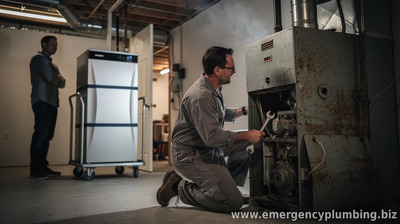
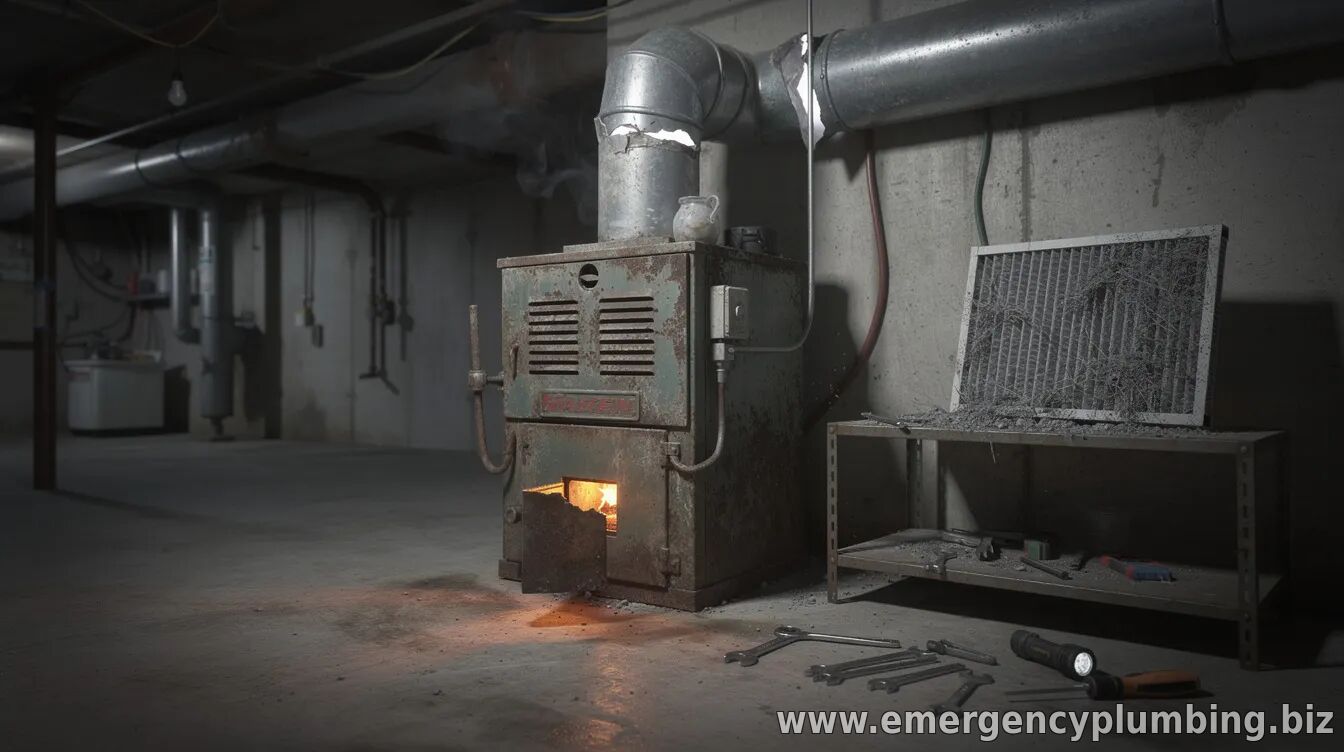
Furnaces don’t last forever. When a heating system starts failing in multiple ways, homeowners are often left choosing between ongoing repairs and a full replacement. While only a licensed HVAC professional can confirm the best option, several clear warning signs can point to “it’s time” rather than “just one more fix.” 1) Your furnace is older than it should be
Most furnaces have a service life of roughly 15 to 20 years, depending on maintenance, fuel type, and operating conditions. If your unit is in that range—or beyond—and you’re seeing frequent problems, replacement may be more cost-effective than continuing to patch components that are wearing out together. 2) Repairs are becoming frequent or expensive
If you’re calling for service again and again, it’s often a sign that the system’s internal wear is accelerating. A common threshold many homeowners use is when repair costs add up to a substantial portion of what a replacement would cost—especially if the issues are different (for example, the thermostat, ignition system, blower motor, or heat exchanger) rather than a single recurring fault. 3) Your home isn’t heating evenly
A furnace that struggles to distribute heat can lead to cold rooms, hot spots, or fluctuating temperatures. Causes can include failing blowers, clogged filters, duct problems, or issues with burner performance—but the pattern matters. If troubleshooting basics doesn’t resolve the inconsistency, the furnace itself may be losing efficiency or capacity.
Rising energy bills paired with the same thermostat settings are another strong clue. When a furnace runs longer to reach the desired temperature—or cycles improperly—it can waste fuel and increase monthly costs. If your utility bills have climbed noticeably and maintenance (like filter changes) hasn’t corrected the issue, it’s time to investigate the system’s overall health.
Strange noises can also indicate trouble. While minor sounds may occur during startup, persistent banging, rattling, squealing, or grinding can point to worn belts, failing motors, or loose components. Likewise, unusual odors—especially a strong smell of gas, burning plastic, or persistent mustiness—should be treated seriously and addressed immediately by a professional.
Safety-related concerns are not worth guessing on. If your furnace shows signs of incomplete combustion, repeated ignition failures, or warning codes, a technician should inspect it promptly. In particular, issues involving the heat exchanger can be dangerous and may require urgent action, including replacement.
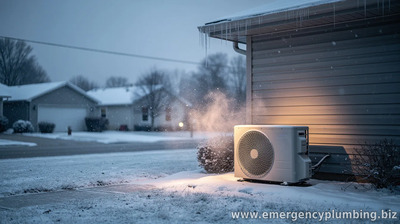
Another practical sign is reduced performance during cold snaps. If the furnace can’t keep up when outdoor temperatures drop, that can indicate the unit is no longer delivering the heat output it once did—whether due to component degradation, aging burners, or improper sizing for current home conditions. What to do before deciding
Before replacing a furnace, request an inspection that includes diagnostics of combustion performance, airflow, cycling behavior, and safety controls. A reputable HVAC contractor can also estimate overall efficiency (often measured by AFUE ratings) and explain whether ductwork or insulation issues are contributing to the problem. Comparing repair quotes with replacement options—plus potential rebates or incentives for upgrading—can help you decide with confidence.
If you’re seeing multiple warning signs at once, replacement is more likely to be the smarter long-term choice. The right upgrade can improve comfort, lower operating costs, and reduce the risk of unexpected breakdowns during the coldest days of the year.
| |
⏰ Dispatcher support 24/7
📞 224-754-1984CALL ☎ Subscribe 👆 FORUM 🗣
North Shore, Northwest suburbs of Chicago, IL
Next & Previous posts
Related articles: