

1:24 AM Fresh Air Ventilation: Why Modern Homes Need It | |
As homes become better insulated and more airtight, they also become less forgiving: contaminants and moisture that used to leak outdoors now build up indoors. That’s why fresh air ventilation systems have become increasingly important in newer homes, where air exchange is often limited by design.
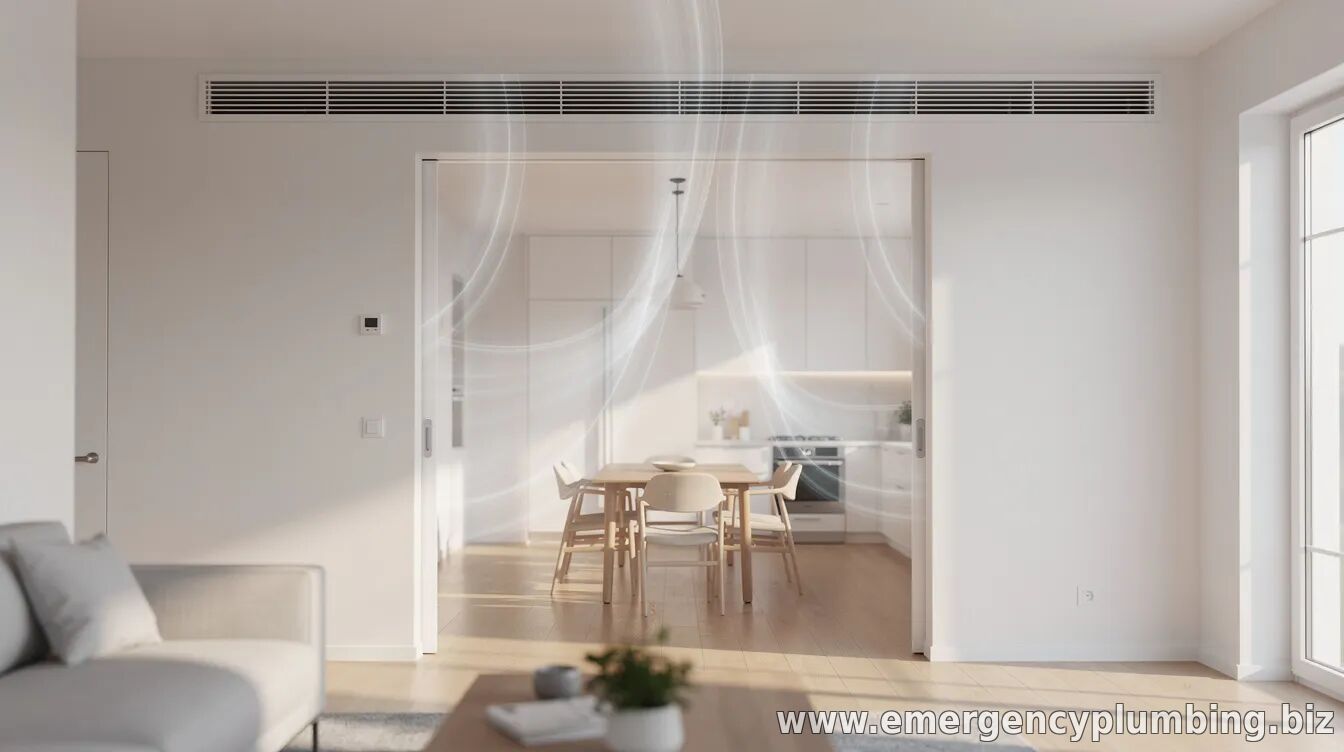
Fresh air ventilation brings outside air into living spaces while managing how stale air is exhausted. The goal isn’t to “blast” the house with outdoor air; it’s to maintain healthy indoor air conditions consistently—especially as energy-efficient construction reduces natural ventilation. Why tighter homes need planned airflow
Many modern building envelopes are sealed to improve energy performance. While that reduces drafts and heating or cooling losses, it also limits the background leakage that used to dilute indoor pollutants. Without a dedicated ventilation strategy, levels of airborne particles, odors, and moisture can rise—affecting air quality and sometimes triggering mold or condensation problems.
Bathrooms, kitchens, basements, and laundry areas are often the first places to show the effects. Even with spot exhaust fans, airflow may not reach every room effectively, especially when doors stay closed or layouts don’t encourage air movement. Health and comfort benefits from consistent ventilation
Indoor air can contain particles and gases from everyday sources such as cooking, cleaning products, building materials, and even occupant activities. Proper ventilation helps reduce buildup by replacing a portion of indoor air with outdoor air on a controlled schedule.
It can also improve comfort. When ventilation is paired with humidity management, residents may experience fewer issues like lingering odors, “stale” air, and condensation on windows—factors that can be difficult to fix through temperature control alone. Choosing the right system for your home
Not every ventilation approach fits every house. Common options include balanced systems that supply fresh air while exhaust air leaves the home at a similar rate, helping maintain stable pressure and reducing the risk of backdrafting combustion appliances.
Many newer homes benefit from solutions that integrate filtration to capture dust and particulates from outdoor air, along with controls that adjust airflow based on conditions. Key considerations include climate, ducting quality, filter compatibility, noise expectations, and whether the system is designed to serve the whole home or specific zones.
Installation quality matters as much as equipment selection. Improper sizing, poor duct connections, or mismatched pressure can undermine performance and may create comfort issues. For best results, homeowners should consider professional evaluation that accounts for airtightness and existing HVAC operation. What homeowners should check
If you’re upgrading or building, ventilation should be treated as part of the overall air-sealing and heating/cooling plan—not an afterthought. A few practical checks can help ensure the system delivers usable fresh air where it’s needed.
For many homeowners, the biggest takeaway is straightforward: newer homes are engineered to keep air in, so fresh air ventilation must be engineered to come in. When chosen and installed correctly, these systems protect indoor air quality, support comfort, and help prevent moisture-related problems—turning energy efficiency into a healthier indoor environment.
| |
⏰ Dispatcher support 24/7
📞 224-754-1984CALL ☎ Subscribe 👆 FORUM 🗣
North Shore, Northwest suburbs of Chicago, IL
Next & Previous posts
Related articles: