

2:59 AM Booster Pumps: Fixing Low Water Pressure in Multi-Story Homes | |
Homeowners in multi-story buildings often notice that water pressure drops dramatically on upper floors. Showers may trickle, taps can struggle to fill quickly, and appliances like water heaters and washing machines may perform below expectations. While plumbing layout, pipe size, and leaks can contribute, the most common root cause is inadequate inlet pressure and lost “head” as water travels through the system.
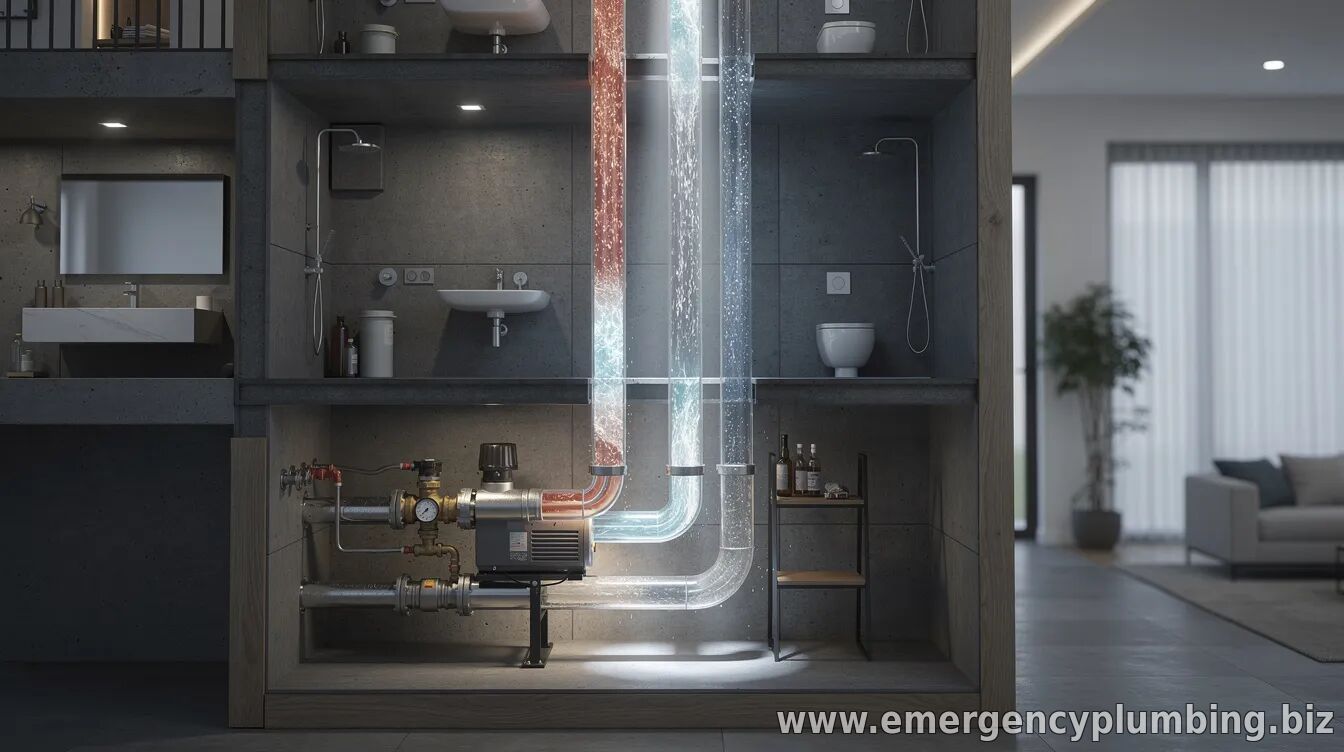
Booster pumps offer a practical way to restore comfortable pressure by increasing the local pressure at the point where the home’s plumbing needs it. Instead of relying on city or well supply alone, the pump boosts water pressure to deliver steadier flow to higher floors. Why pressure falls in multi-story homes
As water moves upward, gravity reduces available pressure and the plumbing system consumes additional pressure through resistance. Factors such as long pipe runs, narrow diameters, multiple elbows and fittings, aging pipes, and partial blockages can all increase friction. In some homes, especially those supplied from municipal lines at the edge of the service capacity—or from wells with declining performance—the incoming pressure simply isn’t enough to overcome these losses.
That’s why two homes with the same footprint can experience different results: one may maintain adequate pressure up the vertical stack, while another cannot because of supply conditions and internal plumbing design. How booster pumps work
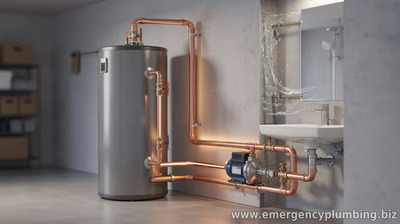
A typical booster pump system includes a pump (often centrifugal), a pressure sensor and controller, a check valve to prevent backflow, and sometimes a pressure tank or accumulator to reduce short cycling. When a fixture is turned on, the sensor detects demand and the controller activates the pump to maintain a target pressure setpoint.
The goal is not just higher pressure, but consistent pressure that matches household demand. When sized correctly, the system can deliver improved flow for showers and faucets while avoiding unnecessary starts and stops that can shorten equipment lifespan. Choosing the right system: sizing and controls matter
Proper sizing is the difference between a comfortable fix and a noisy, inefficient installation. Pros typically evaluate incoming pressure, the home’s peak water demand (how many fixtures may be used simultaneously), and the plumbing configuration. They also account for “head” requirements—how much pressure the pump must add to reach upper floors and overcome friction losses.
Controls are equally important. Variable-speed pump systems can adjust output to changing demand, often providing smoother performance and better energy efficiency than single-speed units. Meanwhile, built-in protections—such as dry-run prevention, overcurrent protection, and pressure relief strategies—help ensure safe operation.
Just as crucial: installers should confirm the pressure settings so the system does not overshoot. Excess pressure can stress fixtures, cause leaks, and accelerate wear on valves and fittings. Installation and maintenance considerations
Installation details can significantly affect real-world performance. Booster pumps should be mounted securely with appropriate vibration isolation, and the system should include correctly oriented check valves and isolation valves for service. If a pressure tank is used, it should be set and maintained so the pump cycles efficiently.
Maintenance typically involves periodic inspection of filters and strainers (if present), checking electrical connections, verifying sensor operation, and monitoring performance for signs of scaling or wear. Homeowners should also treat persistent pressure fluctuations as a troubleshooting clue rather than simply increasing setpoints. Common use cases and what owners can expect
Booster pumps are frequently used to improve performance on second- and third-floor showers, kitchen faucets, and laundry supplies in homes with weak inlet pressure. In some cases, they also help stabilize flow to water heaters or reduce the “cold-only” sensation when hot-water pressure is inadequate at upper fixtures.
When engineered for the home’s demand profile, a properly installed booster pump system can transform morning routines—reducing frustration from low-flow showerheads and ensuring more reliable operation for daily use. Next steps for homeowners
If low pressure is concentrated on upper floors, the best starting point is a diagnostic evaluation of inlet pressure and plumbing condition. A qualified plumber or pump specialist can measure supply pressure at relevant points, inspect for leaks and restrictions, and determine whether a booster pump is the right fix—or whether pipe upgrades, leak repairs, or regulator adjustments would solve the problem with less equipment.
For many multi-story homes, booster pumps provide a clear path to improved comfort and consistent flow, provided the system is correctly sized, carefully controlled, and maintained over time.
| |
⏰ Dispatcher support 24/7
📞 224-754-1984CALL ☎ Subscribe 👆 FORUM 🗣
North Shore, Northwest suburbs of Chicago, IL
Next & Previous posts
Related articles: