

1:07 AM Radon Mitigation: Why It Matters for Illinois Basements | |
Radon is an odorless, invisible gas that can build up indoors when it enters a home from the ground. For homeowners in Illinois, basements are often a common entry point—making radon mitigation an important consideration for anyone concerned about air quality and long-term health.
Because radon comes from natural soil deposits and can vary significantly from neighborhood to neighborhood, the only reliable way to know whether your home has a problem is to test. Even well-built houses can experience elevated radon levels, particularly where foundation cracks, floor-wall joints, sumps, or construction gaps provide pathways.
Why Illinois basements can be at risk
In many parts of Illinois, radon can accumulate in lower levels of buildings due to pressure differences between the indoors and outdoors. When temperatures change or HVAC systems cycle, they can create a “stack effect” that pulls air from the ground into the home. Basements and crawlspaces can therefore become the primary areas where radon concentrations are highest.
Illinois homeowners are also dealing with a wide range of housing types—from older homes with settling-related gaps to newer construction sites where sub-slab ventilation may not be present. These variations mean that a home’s radon risk is not determined solely by age or appearance.
What radon testing typically involves
Most guidance recommends using a short-term or long-term test kit to measure radon levels in the living space, with a focus on areas where people spend significant time—often including basements depending on how the home is used. Testing results provide the basis for deciding whether mitigation is necessary and what approach may be appropriate.
Short-term measurements can help identify elevated levels that warrant immediate action, while longer-term tests may offer a more representative picture of average exposure. Either way, the key takeaway is that test results—not assumptions—should guide next steps.
How mitigation systems work
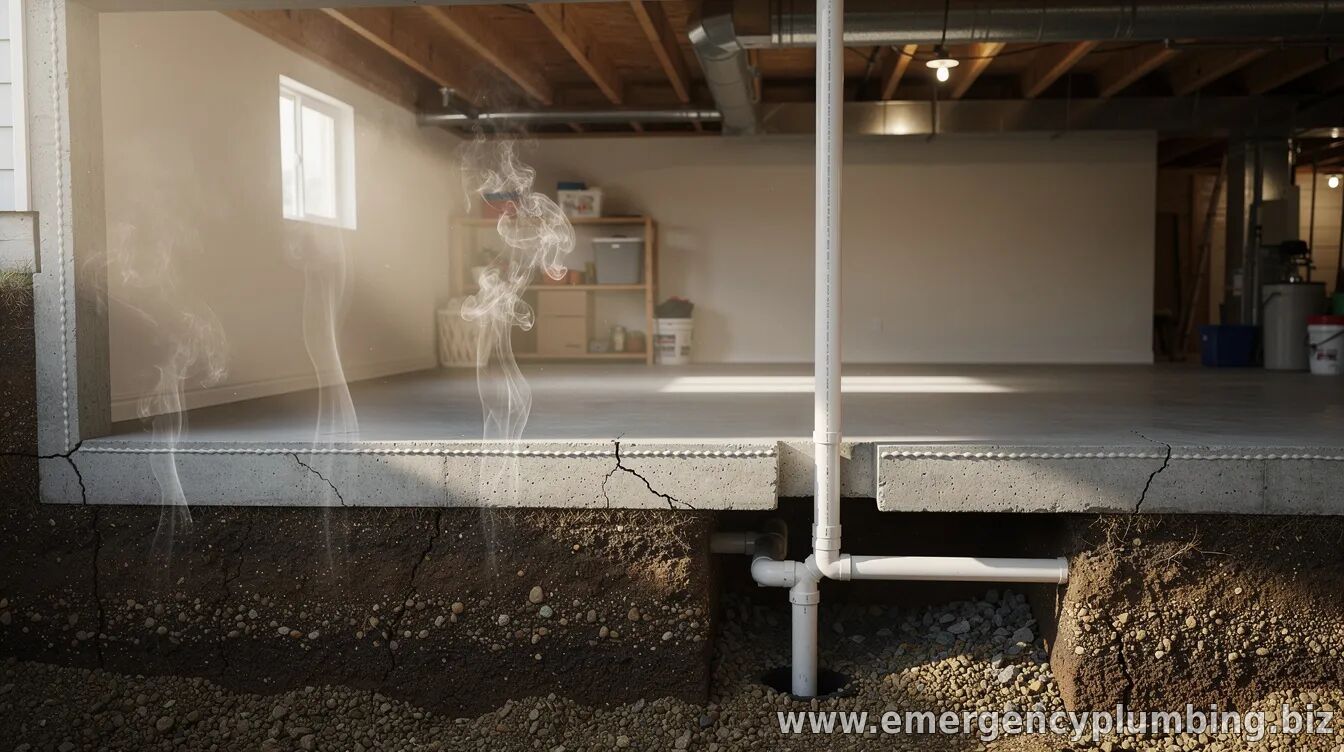
When radon levels are above recommended thresholds, mitigation typically centers on reducing the amount of radon entering the home and venting it safely outdoors. One common approach uses active soil depressurization: a fan is installed to pull radon-bearing soil air from beneath the foundation through a vent pipe, then exhaust it above the roof line. This method is designed to lower indoor concentrations by redirecting radon away from the breathing zone.
Other strategies may include sealing specific entry points where feasible, improving sub-slab ventilation, or addressing sump conditions—often as part of a broader mitigation plan. Sealing alone generally isn’t considered a complete solution when radon is driven by soil gas; instead, it may be used to complement a properly designed system.
What homeowners should know before choosing a contractor
Because mitigation performance depends on proper installation, it’s important to work with qualified professionals. Homeowners should ask about system design, how suction points are selected, where the exhaust will discharge, and how the system will be verified after installation. Follow-up testing after mitigation is also a common best practice to confirm that radon levels have dropped to acceptable ranges.
For Illinois residents, the decision to mitigate should be treated as a home-safety upgrade rather than a one-time project. Radon can be managed effectively, but it requires measurement, correct system selection, and verification to ensure lasting impact.
Bottom line: Test your home, especially if you spend time in the basement. If results indicate elevated radon, mitigation can substantially reduce exposure by venting radon safely outdoors.
| |
⏰ Dispatcher support 24/7
📞 224-754-1984CALL ☎ Subscribe 👆 FORUM 🗣
North Shore, Northwest suburbs of Chicago, IL
Next & Previous posts
Related articles: