

1:30 AM AprilAire Whole-House vs. Steam Humidifiers: Which Fits? | |
Humidification can make a noticeable difference during dry months—especially for indoor air comfort, wood furnishings, and overall HVAC performance. But not all systems humidify the same way. Homeowners comparing an AprilAire whole-house humidifier with a steam humidifier typically want clarity on operation, installation needs, ongoing maintenance, and how each system manages humidity safely and consistently. How AprilAire whole-house humidifiers typically work
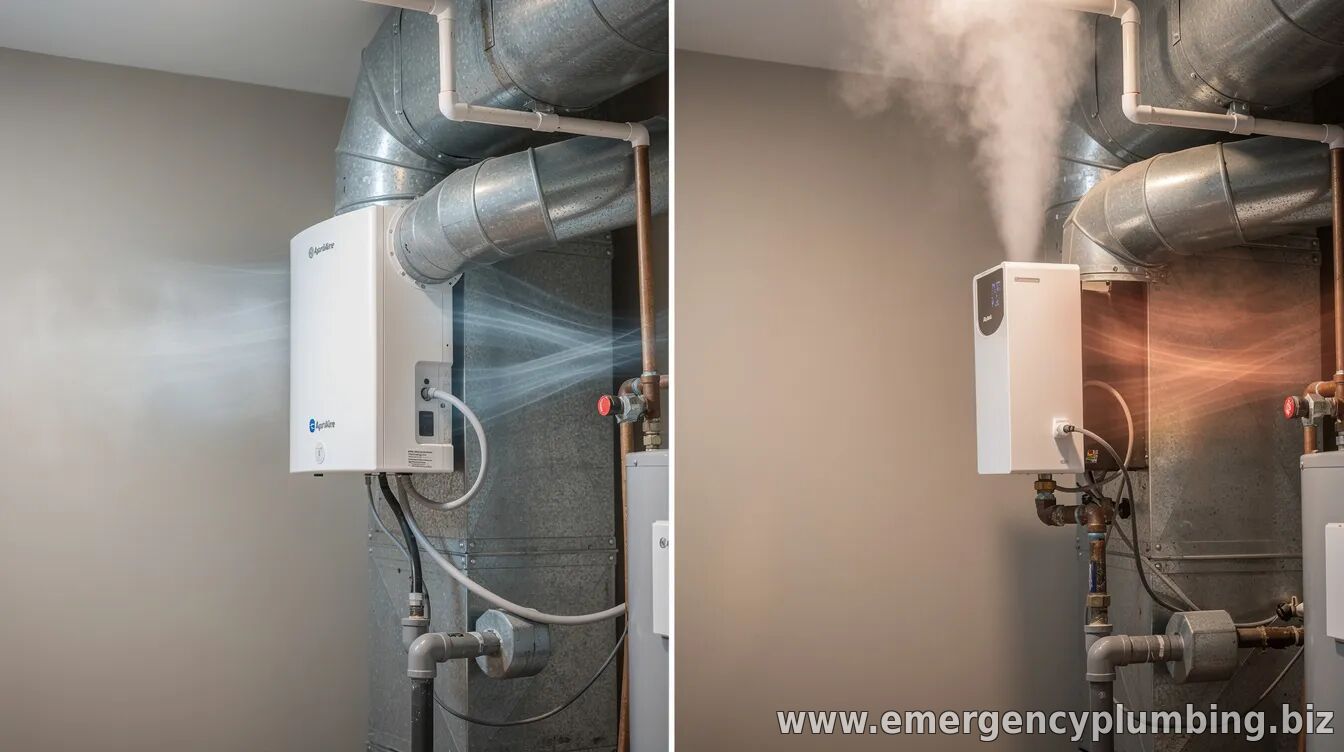
Whole-house units designed for integration with a home’s HVAC system usually add moisture through a distribution method connected to the ductwork. Many models use an evaporative-style approach (often involving a water panel or cartridge) and rely on a humidity control strategy to deliver moisture when indoor conditions call for it. The goal is steady, measurable humidity without excessive wetness in the home.
In practice, these systems are often selected for compatibility with existing forced-air setups. They can be paired with a humidity controller so the humidistat (or controller) can adjust output based on relative humidity targets rather than running at a single fixed rate. How steam humidifiers work
Steam humidifiers generate moisture by heating water until it becomes steam, then introducing that steam into the duct system. Because the moisture is produced as steam, it can be delivered efficiently into airflow and may offer strong control of humidity levels when properly sized and installed.
Steam systems can be attractive to homeowners who want reliable humidification output, but they generally require careful attention to electrical requirements, proper distribution, and appropriate safety measures. Energy use and operating costs: the trade-off
One of the biggest decision factors is how the system creates humidity. Evaporative-style whole-house humidifiers typically use less active energy to create moisture compared with steam systems, since they don’t need to boil water. Steam systems, by contrast, convert water to steam via heating, which can drive higher electricity use depending on runtime and your home’s humidification demands.
That said, actual costs depend heavily on your climate, insulation level, duct design, and how precisely each unit is controlled (for example, whether indoor humidity targets are consistently maintained without overshooting). Humidity control and comfort
Both approaches can maintain comfort effectively when correctly sized and controlled. Whole-house systems commonly emphasize distributed moisture with humidity sensing to avoid excessive indoor humidity. Steam systems also rely on controls, but the heating process makes correct operation and duct integration especially important to prevent issues like condensation if the system is oversized or improperly installed.
For homeowners, the practical question is: will the system be able to hit and hold a comfortable relative humidity range without causing dampness on windows, walls, or nearby surfaces? Maintenance and water management
Maintenance is where many comparisons become personal. Whole-house evaporative systems typically require periodic replacement of water panels or cartridges and routine cleaning to manage mineral buildup (especially in areas with harder water). Owners may also need to check for proper airflow and ensure the water path is clear.
Steam humidifiers often involve maintenance around steam-generating components and water treatment practices to reduce scale and extend service intervals. Costs and effort vary by model and water conditions, so it’s wise to review the manufacturer’s service schedule before choosing. Installation considerations for your HVAC system
Installation complexity can differ based on where moisture is introduced, the available space near the HVAC equipment, and electrical or plumbing requirements. Whole-house humidifiers may integrate into ductwork with relatively straightforward connections, depending on the specific design and mounting location.
Steam humidifiers may require additional electrical capacity and careful duct planning to ensure steam is distributed effectively. In either case, proper sizing and positioning matter as much as the technology. Which is right for your system?
If you want a balance of comfort-focused control with routine, predictable upkeep, an AprilAire-style whole-house humidifier may be a strong fit—particularly for forced-air homes where evaporative humidification aligns with your duct layout and maintenance preferences.
If you’re looking for high-output humidification with steam generation and you’re prepared to match the system to your electrical and duct requirements, a steam humidifier may suit your needs—especially when properly selected and installed to avoid condensation risks.
The best choice often comes down to your climate, HVAC configuration, target humidity range, water quality, and how much maintenance you’re comfortable handling. For the most reliable results, many homeowners benefit from having a qualified HVAC professional review system sizing and duct compatibility before purchase.
Bottom line: Whole-house evaporative systems are commonly chosen for straightforward integration and efficient moisture delivery, while steam humidifiers can provide powerful humidification but may involve higher energy use and more demanding installation/maintenance considerations.
| |
⏰ Dispatcher support 24/7
📞 224-754-1984CALL ☎ Subscribe 👆 FORUM 🗣
North Shore, Northwest suburbs of Chicago, IL
Next & Previous posts
Related articles: