

2:40 AM Garbage Disposal Troubleshooting: Repair or Replace? | |
A clogged or humming garbage disposal is more than an inconvenience—it can lead to leaks, water damage, and higher repair costs. The best approach is to troubleshoot safely, identify what’s failing, and then decide whether repair or replacement makes the most sense.
Before you do anything: turn off power at the breaker (not just the wall switch) and avoid putting hands or tools into the disposal. If you’re uncomfortable working around electrical wiring or persistent leaks, call a licensed plumber or electrician. Start with the simplest causes
Many disposal problems come from everyday misuse: too much food at once, fibrous materials, or accidental hard objects. If the unit won’t start or repeatedly jams, check whether it’s been properly reset (many models have a reset button under the sink).
Listen closely when you flip the switch. A disposal that buzzes or humms may be trying to run but could be jammed or unable to reach full power. A disposal that’s completely silent may indicate a tripped breaker, failed switch, or a motor that won’t energize. Common symptoms and what they usually mean
1) Leaking from the bottom or around the drain: Minor leaks can sometimes be sealed or corrected with replacement gaskets. Persistent leaking—especially with wet wiring areas—often points to worn seals or a failing housing, which may make replacement the safer route.
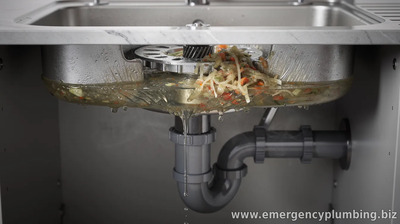
2) Frequent clogs or slow draining: This can be a sign of buildup inside the unit, incorrect feeding habits, or a broader drain blockage. If removing clogs repeatedly becomes a pattern, the unit may be nearing end-of-life.
3) Burning smell or overheating: Strong warning signs may indicate electrical issues, worn internal components, or an overloaded motor. Stop using the disposal and get it inspected promptly—repair attempts without diagnosis can be risky.
4) Grinding sounds followed by shutdown: This can suggest a jam or a motor protection mechanism. If the reset works only temporarily, the underlying problem may be recurring mechanical wear. Repair vs replace: practical decision rules
Repair is often reasonable when: The problem is isolated (e.g., a clogged impeller, a jam that clears, or a replaceable part like a switch or gasket). The unit is relatively new, and the cost of parts and labor is clearly lower than replacement.
Replacement is usually the better value when: You’re dealing with major leaks, repeated electrical trips, a failed motor, or frequent jams that return after repairs. If the unit is older and multiple components are failing, replacement can reduce ongoing downtime and repeated service calls.
Cost check: If repair would approach the price of a new unit installed—especially with an older disposal—the long-term reliability of replacement typically wins. Also consider that modern disposals often integrate better with plumbing layouts and have improved safety features. Before you call for service, gather key info
To speed up diagnosis, note what happened and what changed. For example, document whether the disposal hums, buzzes, drains slowly, leaks after running, or trips the breaker. If possible, share the model/age and any recent events like a hard item drop or an overload of food waste.
Armed with those details, a plumber can determine whether internal repairs are feasible or whether replacement is the safer, more durable solution.
| |
⏰ Dispatcher support 24/7
📞 224-754-1984CALL ☎ Subscribe 👆 FORUM 🗣
North Shore, Northwest suburbs of Chicago, IL
Next & Previous posts
Related articles: