

0:54 AM How Chemical Drain Cleaners Damage Pipes Over Time | |
Chemical drain cleaners are marketed as a fast fix for slow drains and clogged pipes, often promising results in minutes. But while they may dissolve certain blockages, the chemicals can also harm plumbing materials and create long-term problems—especially when the product is used repeatedly or when the clog is caused by something the cleaner can’t fully address.
Most consumer “drain opener” products work through strong acids or bases (or, in some cases, oxidizing agents). These substances react with organic material such as hair, grease, and soap scum, converting it into compounds that are easier to flush away. The key downside: the reaction doesn’t always stay limited to the clog. Corrosion and pipe-wall weakening
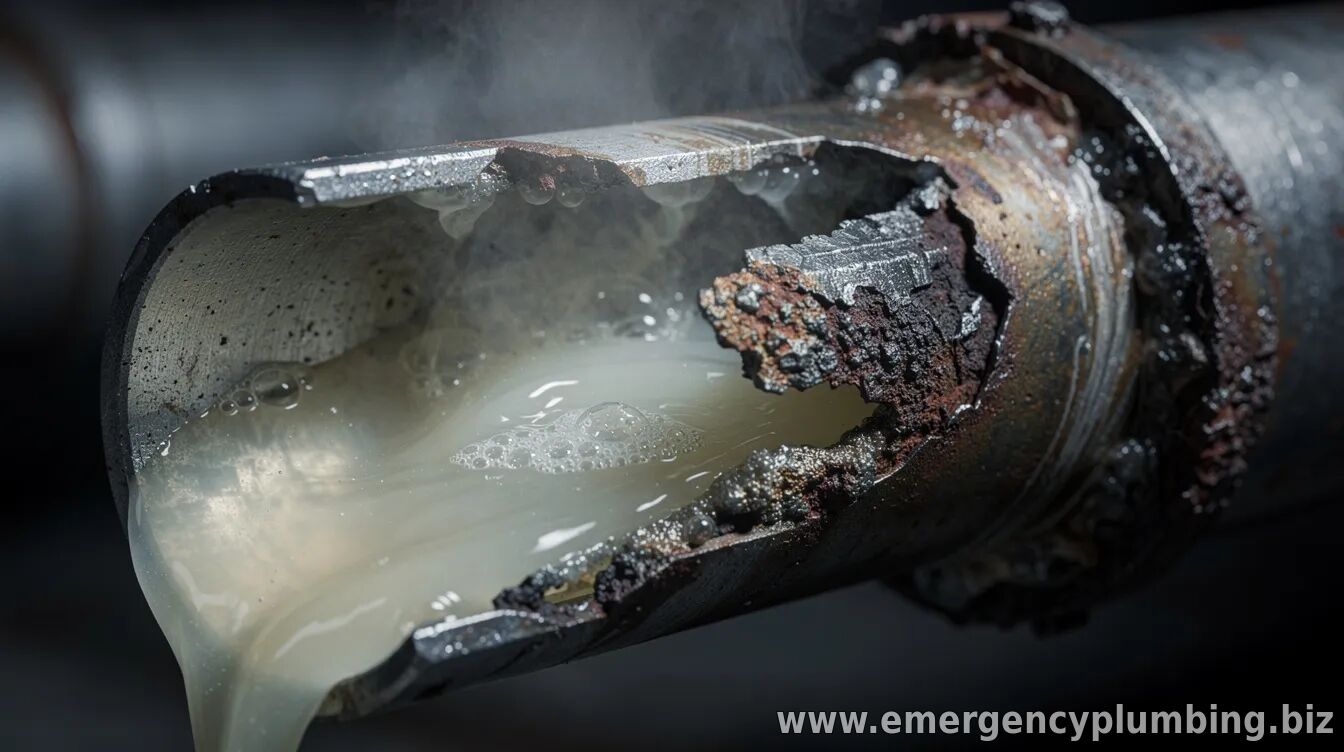
Over time, many chemical cleaners can contribute to corrosion of metal components and accelerate wear on older plumbing systems. Even when the bulk of the product flows through, the chemical residue and prolonged exposure can increase pitting and thinning in pipe walls. This is particularly concerning for aging infrastructure where microscopic damage can expand into leaks. Damage to joints, fittings, and seals
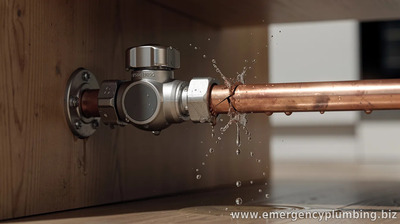
Drain lines aren’t only straight lengths of pipe. Plumbing systems rely on joints, gaskets, rubber seals, and threaded fittings that help keep water and gases contained. Some chemicals can degrade elastomers and loosen connections, raising the risk of drips, under-sink seepage, and odor issues. Corrosion at these connection points is often harder to detect until problems become visible. Fittings and fixture breakdown
Chemical cleaners may also affect parts outside the main pipe run. Build-up and reactions can irritate protective coatings, harm older valves, and contribute to failure in certain plastic components. In kitchens and bathrooms, frequent use can also worsen the “cycle” of recurring clogs—where a partial blockage remains and the cleaner becomes a repeated intervention. Why repeated use can backfire
Many clogs are caused by non-organic materials (such as wipes, grease-heavy deposits, mineral scale, or foreign objects) that chemicals don’t fully dissolve. When the obstruction isn’t completely removed, chemical treatment may push residue deeper, causing a tighter, more stubborn blockage later. That can lead to a pattern of escalations: more product used, more exposure, and a worsening plumbing situation.
There’s also a safety and compatibility concern: combining drain chemicals—or using them after other chemical treatments—can create hazardous reactions. Following labels and avoiding mixing products is essential to reduce risk. Safer steps and practical alternatives
When possible, the goal should be to clear the obstruction without aggressive chemical exposure. Homeowners often have better long-term outcomes with mechanical methods (like plunging or using a drain snake) and targeted cleaning (such as removing visible hair or grease traps). For persistent issues, professional inspection can identify underlying causes—tree roots, venting problems, or buildup along the line—before corrosion and component damage accumulate.
If you’re dealing with slow drains, consider starting with the least invasive option, especially if your plumbing is older. Chemical drain cleaners can be a short-term tool, but using them repeatedly increases the chance of corrosion, seal degradation, and future leaks.
| |
⏰ Dispatcher support 24/7
📞 224-754-1984CALL ☎ Subscribe 👆 FORUM 🗣
North Shore, Northwest suburbs of Chicago, IL
Next & Previous posts
Related articles: