

1:30 AM Hydro Jetting: Is It Safe for Older Pipes? | |
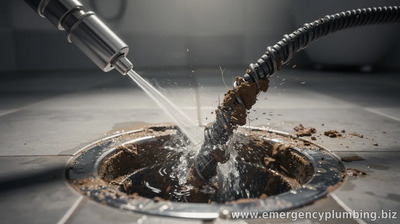
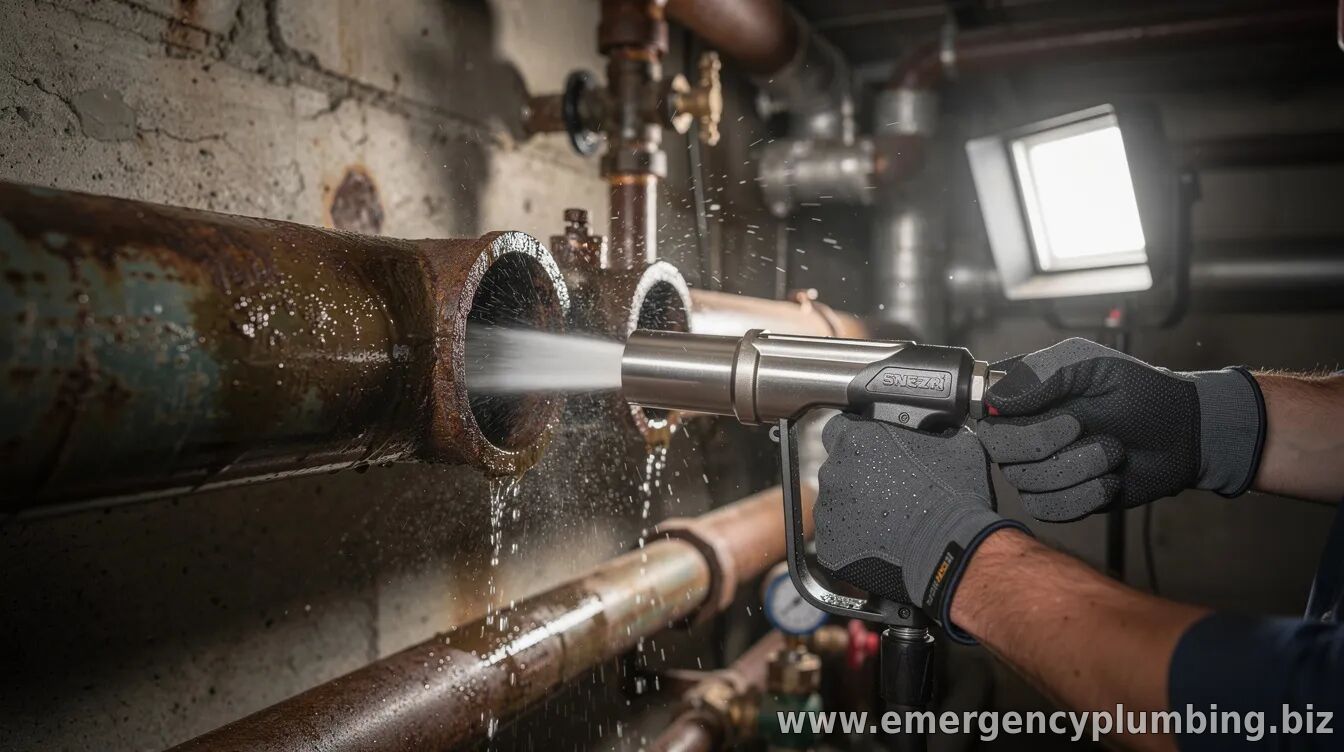
Hydro jetting—using high-pressure water to remove grease, mineral scale, and debris inside pipes—has become a go-to option for stubborn drain blockages. For older homes, however, the question is harder: is it safe for pipes that may be corroded, aging, or already compromised?
Industry guidance generally frames hydro jetting as safe when it’s matched to the plumbing system. The risk isn’t the concept of hydro jetting itself, but the combination of pipe condition, pipe material, and how the job is executed. Why age can matter for older plumbing
Older pipes may have thin spots, internal corrosion, bellies or sags, older joints, or buildup that’s hardened over decades. In those cases, aggressive pressure can potentially dislodge failing material in a way that worsens an obstruction—or, in less common scenarios, contribute to leaks if the pipe is already near the end of its service life. When hydro jetting is often considered safer
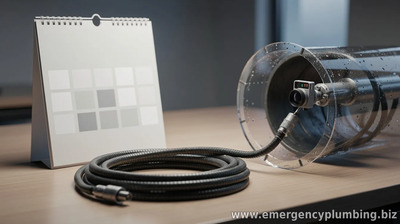
Hydro jetting tends to be a good option when technicians can confirm the line is still structurally sound and the blockage is primarily buildup rather than collapsed pipe. Many reputable providers use camera inspection (a sewer drain video assessment) before scheduling jetting, which helps determine whether the pipe can handle the treatment.
It’s also more likely to be safe when the work uses appropriate pressure and a targeted nozzle approach—rather than “one pressure fits all.” For example, jetting can be dialed back for fragile sections and repeated in a controlled way to avoid stressing weak joints. Pipe materials and the safety conversation
Different pipe materials react differently to high-pressure cleaning. Cast iron and certain durable metal lines often tolerate properly managed jetting, especially when corrosion is present but the pipe is still intact. Older clay or similar materials may be more sensitive if joints are deteriorated. Plastic lines can be resilient, but improper pressure or poor nozzle technique can still create problems.
The critical takeaway is that “older” isn’t one uniform category. A 60-year-old line in good condition can differ dramatically from a 60-year-old line with cracking, offset joints, or active leaks. Best practices to reduce risk
For older plumbing, reputable companies also explain decision points—such as when jetting would be inappropriate and repair or replacement may be safer.
What to watch for after service: if you notice persistent slow drains, recurring backups soon after cleaning, or signs of water where it shouldn’t be, it may indicate that the underlying piping condition needs follow-up inspection or repair.
Hydro jetting can be a safe and highly effective method for older pipes when professionals confirm pipe integrity and apply the right technique. Homeowners can reduce risk by insisting on inspection first and treating the job as a condition-based treatment—not a default high-pressure solution for every aging line.
| |
⏰ Dispatcher support 24/7
📞 224-754-1984CALL ☎ Subscribe 👆 FORUM 🗣
North Shore, Northwest suburbs of Chicago, IL
Next & Previous posts
Related articles: