
1:33 AM Gas Leak Warning Signs Every Homeowner Should Know | |
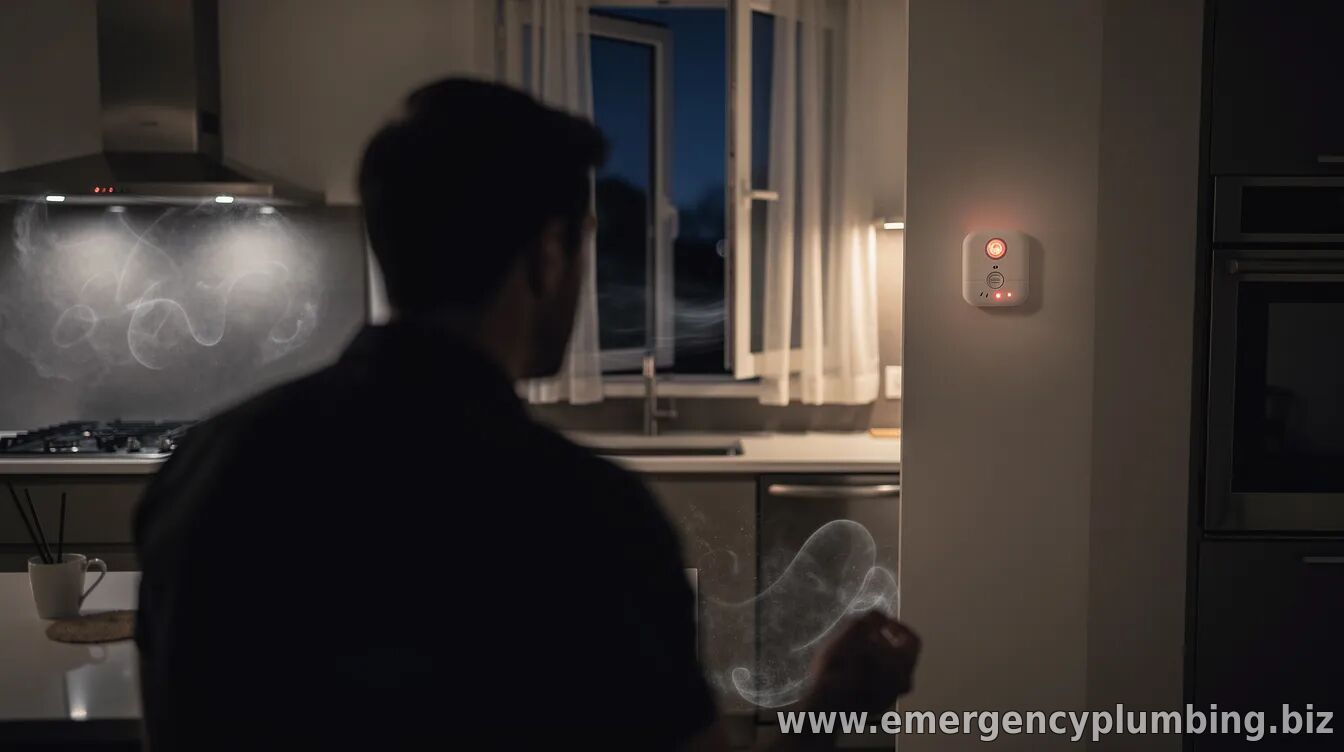
Homeowners don’t always get a clear alert before a gas leak becomes an emergency. While many gas lines are fitted with safety features, leaks can still happen due to aging equipment, loose connections, construction damage, or improper installation—making early recognition essential.
Natural gas is typically odorized with a smell similar to rotten eggs (often called an “odorant” like mercaptan) so people can detect it. However, the strength of that odor can vary, and some people may be less sensitive to it over time. Treat any persistent gas smell as a potential leak. Common warning signs of a gas leak
Several indicators can point to a leak, especially when they occur together. Pay attention to:
For some homeowners, a “no smell” situation can create false reassurance. If you suspect a leak based on other signs—like noises from the line, sudden appliance failures, or elevated concerns—do not rely on odor alone. What symptoms may indicate exposure
Gas leaks can affect people in different ways depending on the type of gas and concentration. Inhalation of gas or displacement of oxygen can cause dizziness, fatigue, nausea, confusion, or breathing difficulties. If you notice these symptoms while inside a specific room—or they improve when you go outside—assume there may be a safety issue and take action. Always prioritize safety over investigation. Avoid searching for the source by smell or by using appliances. If anyone is feeling unwell, move to fresh air immediately and consider calling emergency services if symptoms are severe. Immediate steps homeowners should take
If you suspect a gas leak, quick action matters. Experts recommend leaving the area and contacting the appropriate utility or emergency number from a safe location. Do not try to “test” the leak by turning switches on or off.
Practical guidance includes:
After the incident is addressed, schedule a follow-up inspection to identify the cause—such as a damaged line, faulty regulator, or worn connector—and verify that repairs meet safety standards.
Because warning signs can be subtle until conditions change, regular maintenance is a key layer of prevention. Keep gas appliances well maintained, ensure vents and chimneys are unobstructed, and have your gas system inspected according to local recommendations.
Knowing the warning signs helps homeowners act quickly—reducing risk and supporting faster, safer repairs.
| |
⏰ Dispatcher support 24/7
📞 224-754-1984CALL ☎ Subscribe 👆 FORUM 🗣
North Shore, Northwest suburbs of Chicago, IL
Next & Previous posts
Related articles: