

1:11 AM Smart, Leak-Proof Home: Practical Homeowner Guide | |
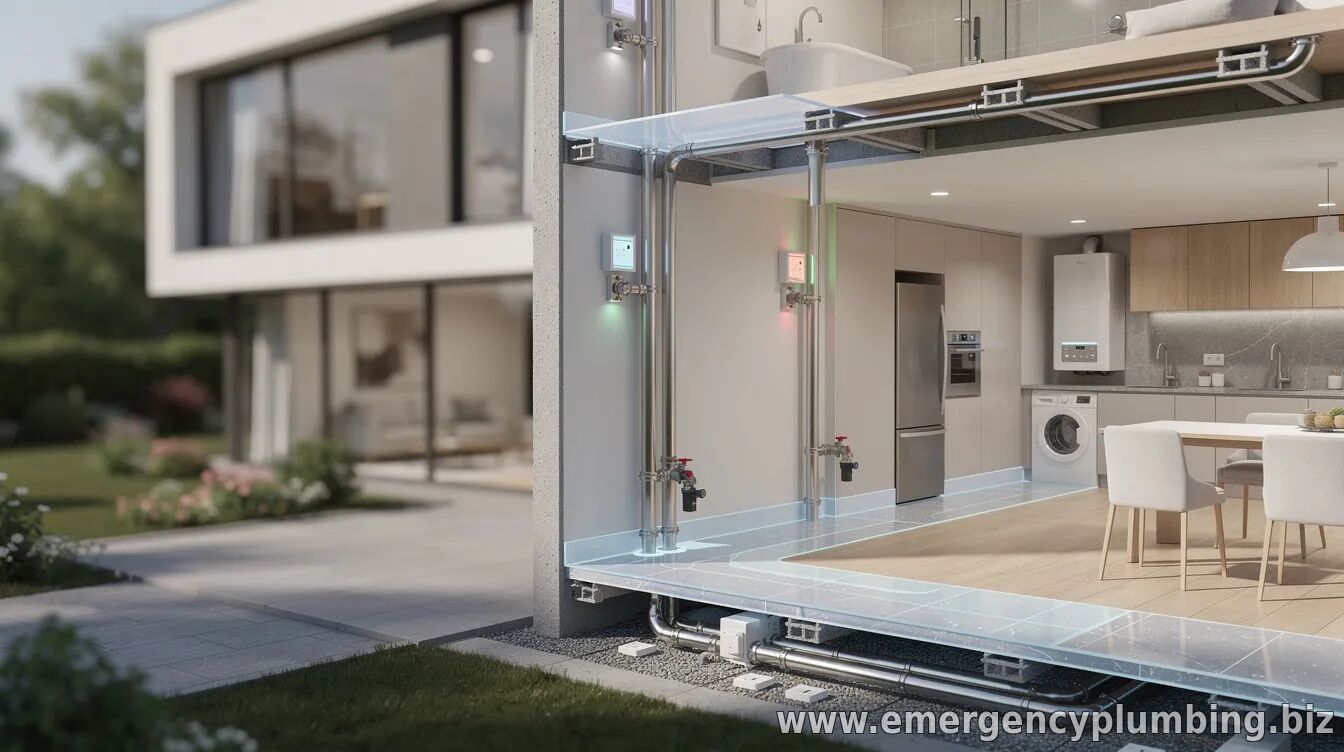
A “smart, leak-proof” home isn’t just about buying a few sensors—it’s about designing a system that can detect leaks quickly, limit damage automatically, and help you maintain key plumbing and appliance connections.
For homeowners, the biggest wins typically come from combining (1) early detection, (2) automatic shutoff where practical, and (3) targeted upgrades in high-risk areas such as under-sink plumbing, laundry connections, water heaters, and exterior penetrations. Start with the highest-risk leak zones
Most household leaks show up where water lines meet fittings, where hoses flex, or where humidity hides early warning signs. Prioritize monitoring and inspection in these places:
If you can only do a first pass, focus on locations with easy floor damage pathways (carpet, finished walls, cabinets) and those with older fittings or frequent movement. Add leak detection that’s actually useful
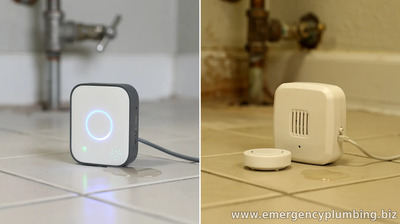
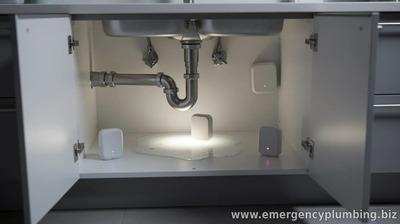
Leak sensors—typically using water-contact detection, sometimes with temperature or flow monitoring—help you respond before water spreads. When installing, place sensors where they can catch moisture quickly:
Choose devices that send immediate alerts to your phone and provide a clear “where” and “when” timeline. Some systems also integrate with smart home platforms or allow manual confirmation to reduce false alarms from spills or cleaning. Consider automatic shutoff to limit damage
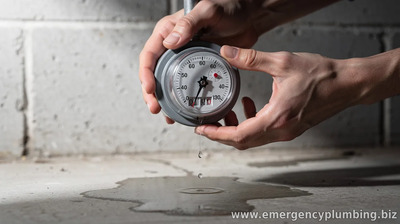
Once a leak is detected, the fastest way to reduce losses is stopping the water source. Many smart home setups use smart shutoff valves installed on main lines, selected branch lines, or directly near high-risk appliances.
Before committing, evaluate where shutoff is most valuable without creating inconvenience. For example, shutting off a branch line to a laundry area can prevent long-duration leaks while keeping the rest of the home functional. If you rent or cannot modify plumbing, some homeowners opt for monitored shutoffs paired with quick access procedures.
Regardless of hardware, keep a simple emergency plan: who to call, how to locate the manual main shutoff, and how to safely address water hazards. Upgrade vulnerable connections and add “better geometry”
Smart detection helps—but the best leak-proof homes reduce the chance that leaks start. Common upgrade paths include replacing aging supply lines, ensuring proper gasket seating, and improving how hoses route and rest.
Homeowners often see fewer recurring leaks after switching to higher-quality hoses, confirming that fittings are correctly tightened, and avoiding strain at connection points. If a hose repeatedly kinks or vibrates (common with laundry setups), repositioning and securing it can reduce failures.
For under-sink areas, consider adding a small drip containment strategy—like a secondary tray—so a minor leak has time to be detected before it spreads beyond the cabinet floor. Don’t forget maintenance: leaks love neglect
Even the best systems need a routine. A short, seasonal checklist can catch early issues before they become emergencies:
If you notice recurring “mystery moisture,” don’t just wipe it up—trace it. Smart alerts are strongest when paired with clear follow-up actions. Plan for outages, false alarms, and long-term reliability
A leak-proof strategy also considers what happens when the system isn’t perfect. Power or internet interruptions can delay notifications, and sensor alarms may trigger from spills or condensation in humid climates. Mitigate this by using devices with battery backup when available, keeping Wi-Fi coverage stable in monitored areas, and reviewing sensor sensitivity settings.
When an alert comes in, treat it as actionable: verify quickly, shut off the appropriate source if needed, and document what you find. Over time, your system becomes easier to trust because you learn which zones are truly high-risk and which triggers require calibration.
Building a smart, leak-proof home is ultimately a layered approach: detect early, stop water fast, and prevent common failure points through upgrades and maintenance. With the right combination, homeowners can reduce damage, lower repair costs, and gain real peace of mind.
| |
⏰ Dispatcher support 24/7
📞 224-754-1984CALL ☎ Subscribe 👆 FORUM 🗣
North Shore, Northwest suburbs of Chicago, IL
Next & Previous posts
Related articles: