

0:47 AM Cast Iron Drain Pipes in Older Homes: Repair vs. Replace | |
Cast iron drain pipes are common in older homes, valued for their durability. But time, tree-root intrusion, shifting soil, and internal corrosion can eventually turn a steady system into one that leaks, clogs, or vents foul odors.
Deciding between repair and replacement comes down to the type and extent of damage, how accessible the pipe section is, and whether the underlying cause is likely to continue. The right call can prevent repeated, costly fixes while protecting your home from water damage and sewage backups. Signs you may be dealing with a repairable issue
Repairs can make sense when the damage is localized and the rest of the pipe remains structurally sound. Common situations include small leaks at joints, minor corrosion in a short section, or a problem tied to a specific fixture line.
Plumbers often look for clues such as the exact location of the leak, whether it’s limited to a visible section (for example, a basement area), and whether drain flow tests show consistent performance beyond that point. When replacement becomes the better option
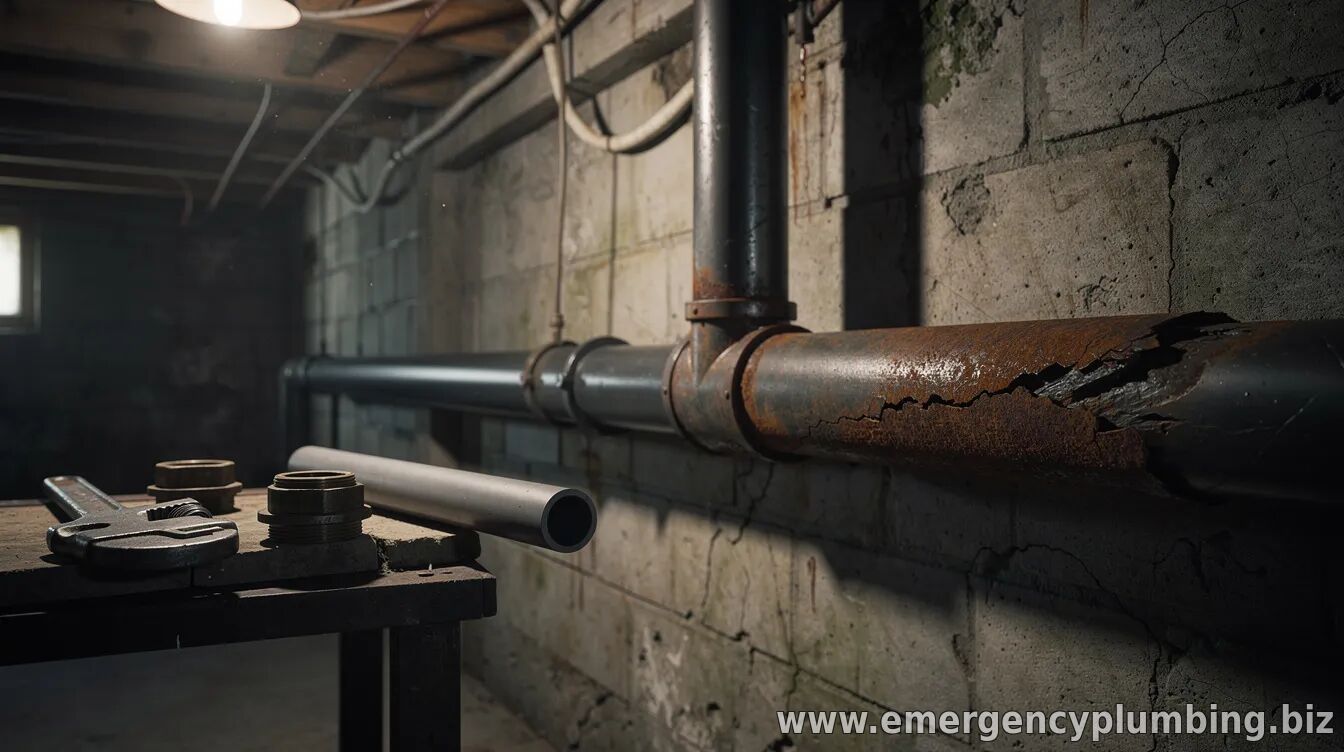
Replacement is typically recommended when the pipe has widespread corrosion, repeated blockages, or evidence of structural failure. If the interior wall has significantly pitted or scaled, even a “patch” can fail soon—because the surrounding pipe may be degrading at the same rate.
Other strong indicators include extensive cracking, multiple leaking joints along a run, recurring backups, persistent sewer gas odors, or a history of “temporary” repairs that never hold. In many cases, replacing the affected segment—or the entire line to the point of safe connection—reduces the chances of another failure elsewhere. How accessibility and cause affect the decision
Even if damage seems limited, accessibility can drive the economics. If the best repair requires opening floors, ceilings, or walls anyway, partial repair may be less cost-effective than replacing a longer, contiguous section.
Equally important is identifying the cause. If the issue is tied to shifting foundations, root intrusion, or saturated surrounding soil, those factors will likely continue damaging the pipe. Addressing the cause—such as stabilizing grading or addressing roots—may be necessary to prevent repeat failures. What to expect from a professional assessment
A qualified drain specialist will often use camera inspection to evaluate the pipe’s interior condition and map the problem area. This helps determine whether damage is localized (supporting repair) or systemic (supporting replacement), and it can also reveal hidden issues like collapsed sections.
You can also expect pressure and flow tests, dye or tracer checks for suspected leaks, and review of prior clog or repair history. The goal is not just to stop today’s leak or clog, but to estimate how long the rest of the line is likely to last. Repair vs. replace: a practical rule of thumb
Consider repair when the issue is confined to a small section, the pipe structure appears intact on inspection, and the underlying cause is unlikely to continue. Lean toward replacement when corrosion is extensive, damage is scattered across multiple points, the pipe appears structurally compromised, or repairs would require significant demolition for limited benefit.
In older homes, the “best” choice is often the one that minimizes future disruption. If the plumbing crew will be opening the same area more than once, replacement of the appropriate run can be the more stable and predictable option.
If you’re unsure, schedule a camera inspection before authorizing work. The right information—what’s happening inside the pipe and where—makes the repair-versus-replace decision far clearer.
| |
⏰ Dispatcher support 24/7
📞 224-754-1984CALL ☎ Subscribe 👆 FORUM 🗣
North Shore, Northwest suburbs of Chicago, IL
Next & Previous posts
Related articles: