

1:46 AM Noisy Pipes: What the Sounds Mean and When to Call a Plumber | |
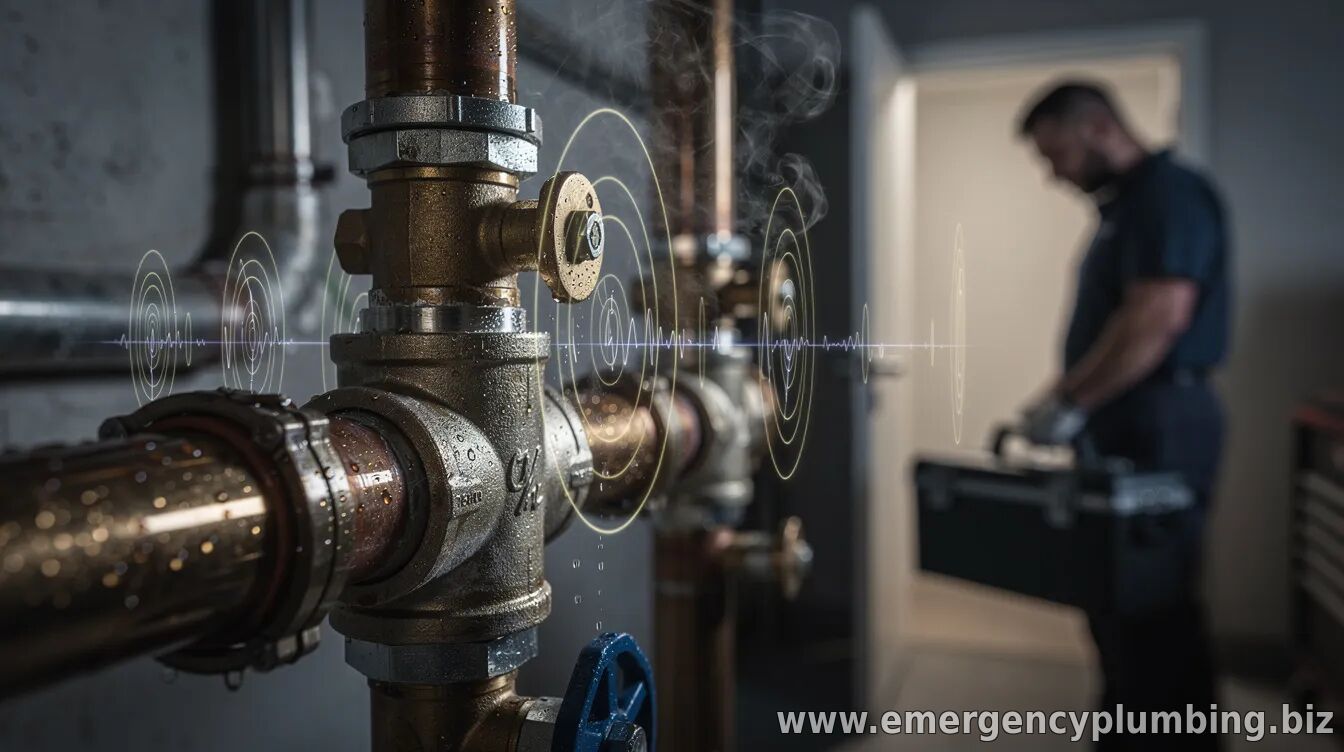
Unusual sounds coming from your pipes can be more than an annoyance. Some noises point to simple fixable causes like air in the lines or loose hardware, while others can indicate a problem that may worsen—such as a failing pressure regulator, worn cartridges, or a blockage in the drain system.
Here’s a practical guide to common pipe sounds, what they typically mean, and when you should stop troubleshooting and contact a licensed plumber. Hissing or whistling
A steady hissing or high-pitched whistle often comes from water flowing through a partially closed valve, a worn faucet cartridge, or a leak in a supply line. In some homes, it may also relate to water pressure that’s too high—especially if the sound increases when multiple fixtures run.
Try turning the fixture off and back on, and confirm the shutoff valves are fully open. If the noise persists at the same intensity, it’s a sign the valve or faucet internals may need service. Banging or clanging (water hammer)
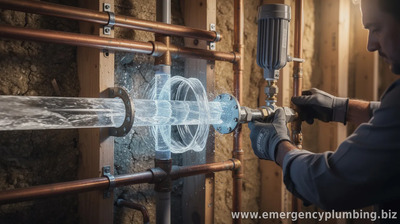
Bang-like impacts right when you turn off a faucet or flush a toilet are classic “water hammer.” This happens when fast-moving water is suddenly stopped, sending pressure waves through the pipes. Over time, repeated impacts can loosen pipe fittings and stress plumbing components.
Water hammer is frequently addressed with a water hammer arrestor, pressure regulation adjustments, or ensuring proper valve function. Because the fixes can involve pressure systems and pipe access, it’s reasonable to call a plumber if the noise is frequent or severe. Rattling, knocking, or vibrating
If pipes rattle or vibrate, the cause is often a loose mount, water flowing through a partially restricted supply, or air pockets moving through the line. Sometimes the sound appears only when certain fixtures run—like showers or washing machines—suggesting a fixture-specific supply or pressure issue.
Check for obvious loose connections under sinks and around accessible pipe runs. If the noise is tied to a single fixture, the plumber may need to inspect the faucet valves, cartridges, or supply hoses. Gurgling or bubbling
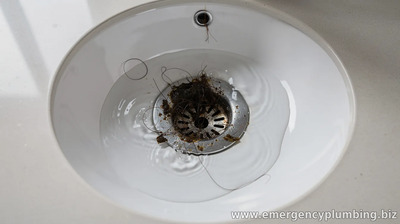
Gurgling in sinks, tubs, or toilets usually points to drainage or venting problems. A blockage in the drain, a vent line restriction, or a failing toilet seal can create air pressure imbalances that push air back through the water. You may notice slow draining, foul odors, or sounds that worsen after using multiple fixtures.
Because venting issues can be harder to diagnose without specialized tools, persistent gurgling—especially with slow drains—deserves professional attention. When to call a plumber sooner
Call a plumber promptly if any of these apply:
In these cases, a plumber can test water pressure, inspect valves and cartridges, evaluate venting, and check for hidden leaks or blockages. Quick, safe checks you can do first
Before scheduling service, you can perform a few low-risk steps: turn off a noisy fixture, confirm shutoff valves are fully open, observe whether the sound only happens with one appliance (dishwasher, washing machine, shower), and note whether the noise occurs with hot water, cold water, or both. If you can narrow the sound to a specific fixture or time pattern, you’ll give your plumber useful troubleshooting clues.
Avoid using chemical drain cleaners as your first response; they can make future plumbing diagnostics more difficult and may not address the underlying cause.
Noisy pipes often have a recognizable meaning, but the right fix depends on the source—pressure, valves, air, venting, or drainage. If the sounds are recurring, accompanied by leaks or slow drains, or disrupting your home’s normal function, contacting a licensed plumber is the safest way to prevent minor issues from turning into costly repairs.
| |
⏰ Dispatcher support 24/7
📞 224-754-1984CALL ☎ Subscribe 👆 FORUM 🗣
North Shore, Northwest suburbs of Chicago, IL
Next & Previous posts
Related articles: