
1:51 AM How Often Should You Schedule a Sewer Camera Inspection? | |
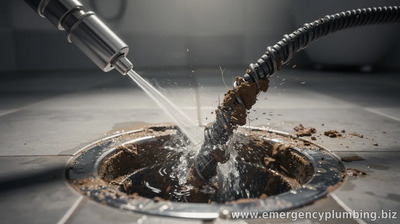
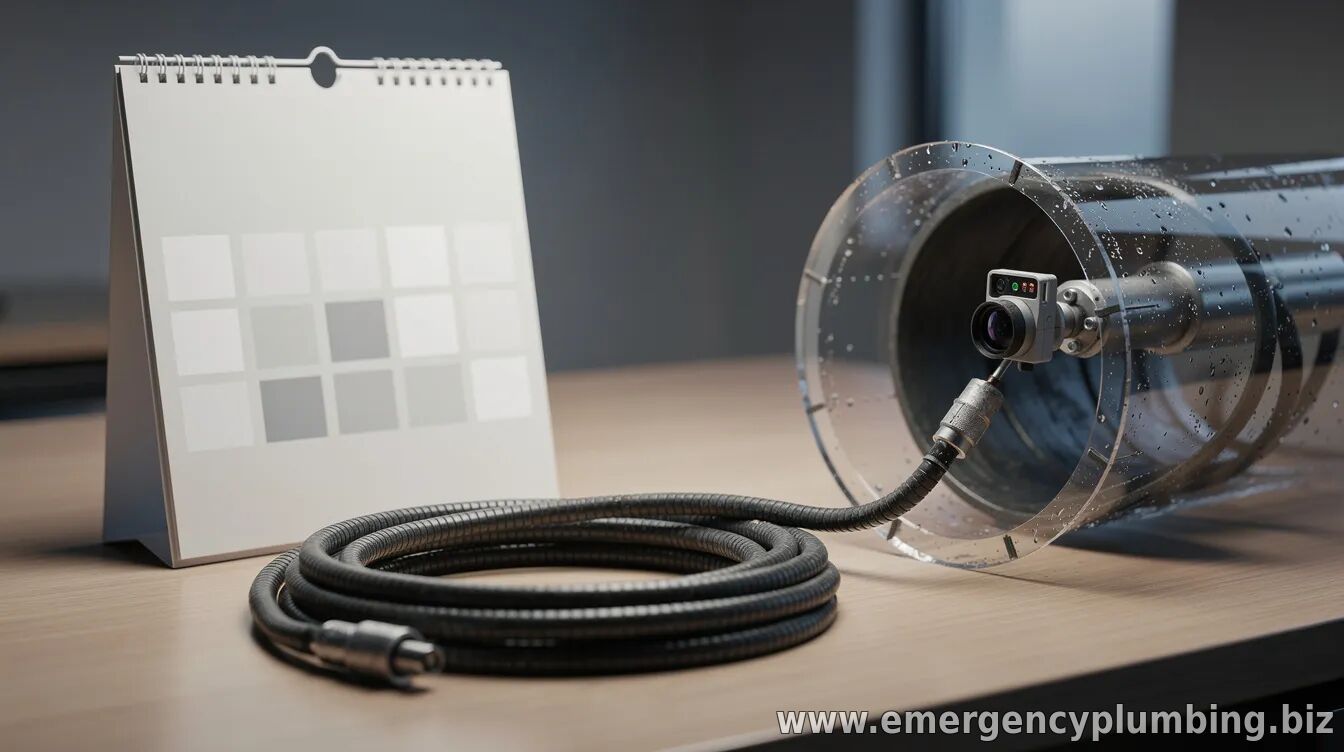
Sewer camera inspections use a small, remotely operated camera to evaluate the condition of sewer lines from inside the pipe. While many property owners only book them after a clog or back-up, scheduling camera inspections proactively can help catch issues like cracks, blockages, and root intrusion before they become expensive repairs.
Because every sewer system and property is different, there isn’t one universal frequency for all homes. The best approach is a risk-based schedule based on age, usage, and environmental factors. Typical inspection intervals for most properties
For many single-family homes, an inspection is commonly recommended every 3 to 5 years if the line is older, you’ve had prior maintenance, or your area is prone to tree-root problems. If your plumbing is newer and you’ve had no recurring issues, some owners choose a longer interval—around 5 to 10 years.
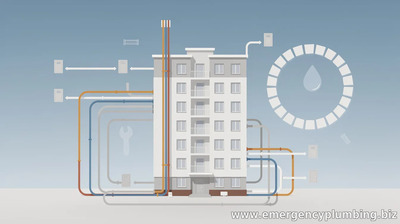
In contrast, commercial properties, high-occupancy buildings, and older multi-unit systems often benefit from more frequent checks—sometimes every 1 to 3 years—because usage patterns and loading conditions can wear pipes down faster and issues may be harder to notice early. Book sooner if you notice warning signs
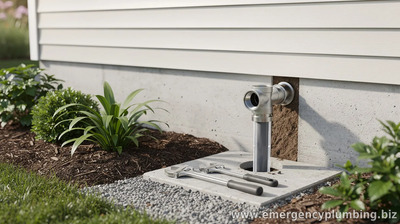
There are clear times to schedule a sewer camera inspection immediately rather than waiting for the next “routine” interval. If you’re experiencing repeated backups, slow drains, recurring clogs, or bad odors tied to drains or cleanouts, a camera inspection can help pinpoint where the problem is happening and what’s causing it.
Other strong triggers include:
Special situations that change the schedule
Certain property circumstances justify adjusting inspection frequency upward, even if you’ve never had major issues. Older homes with mature landscaping often require closer attention because roots can gradually invade and deform pipes. Likewise, areas that experience heavy rainfall and soil movement can shift underground lines, leading to misalignment or cracks.
Buying or selling a property is another common moment to schedule an inspection. A pre-purchase camera inspection can uncover hidden defects, while sellers may use one to document the condition of sewer lines and negotiate repairs more confidently. What the camera inspection can reveal
Camera inspections aren’t just about “finding a clog.” Depending on the footage, a technician can identify a range of conditions—such as cracks, collapsed sections, corrosion, joint separation, buildup, scale, and root intrusion. That information helps determine whether the right next step is routine cleaning, targeted repair, or structural remediation.
Just as importantly, the inspection provides a documented record of the line’s condition, which can guide future maintenance and make it easier to track changes over time. How to decide the right timing for your home
If you’re unsure when to book your next sewer camera inspection, start with a simple checklist: how old the system is, whether you’ve had any repeated backups, the likelihood of root intrusion, and whether your property is residential vs. commercial. From there, you can choose an interval that matches your risk level rather than guessing.
As a rule of thumb, routine inspections are most useful when they’re scheduled with intention—every few years for higher-risk situations—and followed by prompt action when warning signs appear.
If you want the most accurate recommendation, ask a sewer inspection professional to assess your property history (and any prior cleanouts or repairs) and suggest a frequency based on what they find in the camera footage.
| |
⏰ Dispatcher support 24/7
📞 224-754-1984CALL ☎ Subscribe 👆 FORUM 🗣
North Shore, Northwest suburbs of Chicago, IL
Next & Previous posts
Related articles: