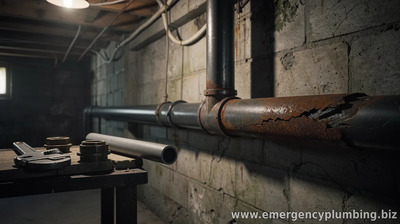


0:01 AM Replacing Cast Iron and Galvanized Pipes with PVC | |
Homeowners often notice the first warning signs of failing plumbing systems—slow drains, recurring clogs, rust staining, damp spots, or foul odors. When the root cause is aging cast iron or galvanized steel piping, replacing those sections with PVC is a common modernization step. The timing, however, depends on condition, function, and code requirements.
PVC is widely used for drain, waste, and vent lines because it resists corrosion and is relatively light and easy to install compared with older metal piping. But whether replacement is necessary—and how extensive it should be—should be guided by inspection results rather than symptoms alone. When it’s time to replace cast iron or galvanized pipes
Most replacement decisions come after a professional evaluation of pipe condition. For cast iron and galvanized pipes, key triggers include structural deterioration, repeated failures, and evidence that internal buildup or corrosion is progressing faster than repairs can manage.
Why PVC is often chosen
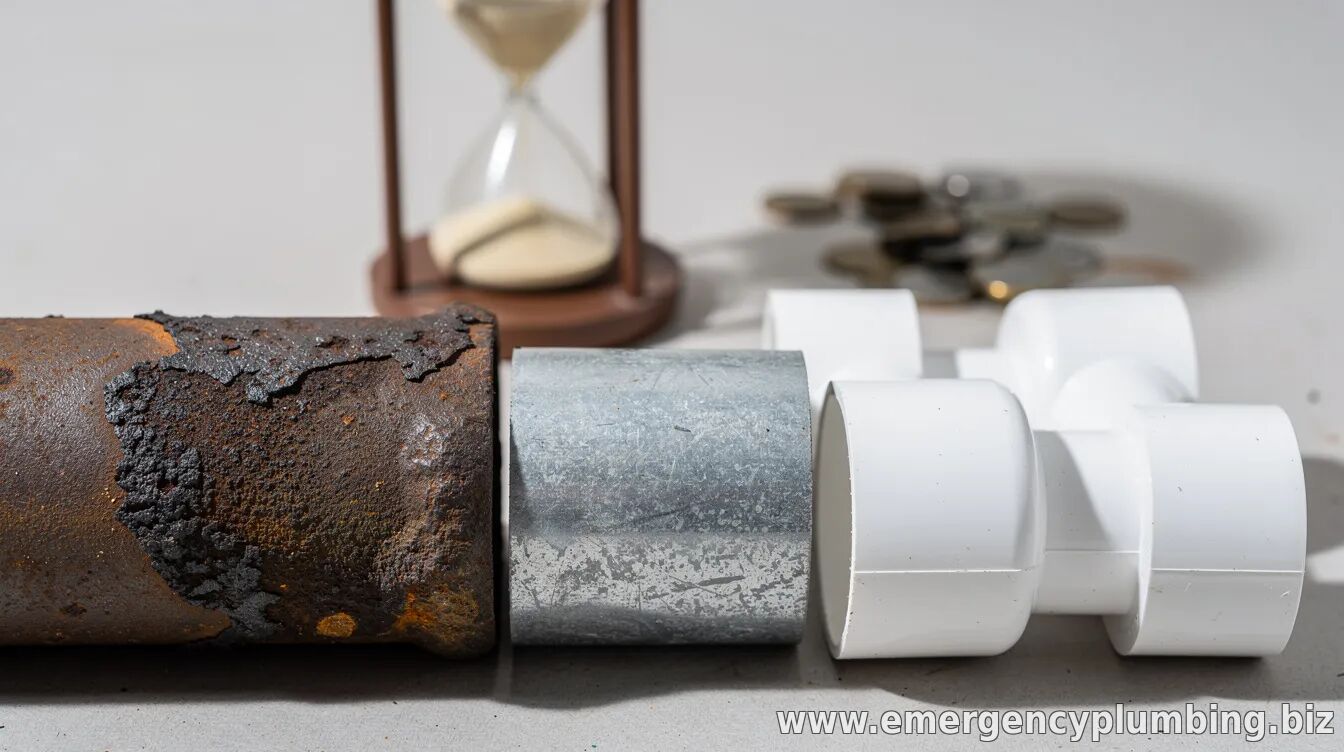
Cast iron and galvanized steel were built for durability, but both are vulnerable to long-term issues: cast iron can suffer joint failure and cracking, while galvanized pipe loses its protective coating, leading to corrosion and internal restrictions. PVC eliminates many corrosion-related problems in DWV applications and typically provides smoother internal walls, which can help restore flow.
That said, PVC compatibility depends on where the pipe runs. In many areas, PVC is favored for drain/waste/vent systems, while water-supply lines may still require approved materials and methods. A contractor should confirm the correct scope before pricing the work. Cost drivers: what changes the final price
The total cost to replace old piping with PVC is rarely determined by “per-foot” alone. Contractors price based on access, demolition needs, and the amount of re-routing or rebuilding required. The most common cost drivers include:
In many markets, replacing a limited section of DWV lines is considerably cheaper than replacing an entire branch or running new lines through finished areas. If the project involves multiple fixtures or a main stack replacement, the labor and restoration work can quickly multiply. Typical pricing ranges homeowners should expect
While quotes vary widely by region, homeowners can generally expect costs to fall into broad bands depending on the scope:
Partial replacement (small, accessible sections of DWV) is often priced as a smaller labor-and-material job, typically costing less than full-line work but still including demo and cleanup. Full replacement of longer runs, main stacks, or difficult-to-access sections usually costs more due to extended labor hours and higher restoration needs. Slab penetrations, tie-ins to existing lines, and code-compliant venting typically increase the overall budget.
To get an accurate estimate, ask for a written scope that specifies: the exact lines being replaced, disposal and cleanup, restoration limits, permit handling, and whether the contractor will video-inspect before and/or after work. Planning the job: permits, inspections, and cleanup
Pipe replacement is often subject to plumbing code. Most projects require permits and inspections at key stages—especially where DWV systems connect to main stacks or where new venting arrangements are created. Proper venting design matters because it affects drainage performance and can prevent future odor and backup issues.
Homeowners should also plan for downtime. Even when the work is contained, replacing DWV lines can require temporary limitations on certain fixtures. Confirm the schedule, work hours, protection measures for floors/walls, and how long it will take to restore finished spaces.
When replacing aging cast iron or galvanized plumbing, the best “time to act” is often after inspection confirms corrosion, cracking, or joint failure that repairs can’t reliably solve. PVC is frequently a practical upgrade for DWV systems, but the real question is scope—and that determines cost. For the most reliable budget, request a detailed quote tied to an inspection-backed scope, plus documentation for permits and post-work verification.
| |
⏰ Dispatcher support 24/7
📞 224-754-1984CALL ☎ Subscribe 👆 FORUM 🗣
North Shore, Northwest suburbs of Chicago, IL
Next & Previous posts
Related articles: