

0:36 AM Signs Your Illinois Home Has Hard Water Problems | |
If you live in Illinois and notice that your showers don’t feel as clean or your dishes never fully come out spotless, hard water could be the culprit. Hard water forms when water contains high levels of minerals—most often calcium and magnesium—that can interfere with everyday cleaning and gradually affect plumbing and appliances.
Here are the most common signs your home may be dealing with hard water problems, plus what to do next to confirm and reduce the issue. 1) Soap doesn’t lather well
One of the earliest indicators of hard water is difficulty getting soap to lather. You may notice that bar soap feels “slippery but not clean,” hand soap feels less effective, or shampoo leaves hair dull. Instead of forming a rich foam, soap can react with minerals and create a film that’s harder to rinse away. 2) Spots, streaks, and film on glassware
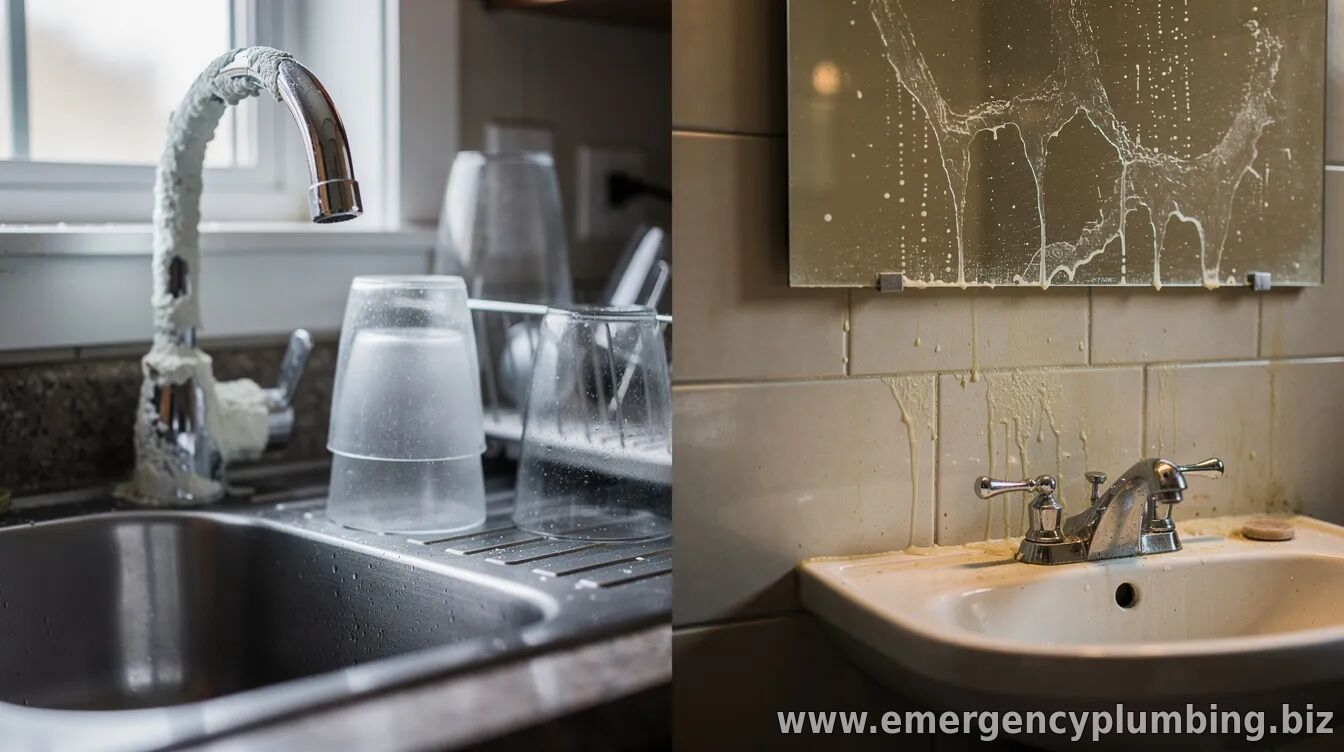
Hard water frequently shows up on windows, shower doors, faucets, and dishes. After washing, you might see cloudy residue, white spots on glass, or streaks that don’t disappear with normal cleaning. This mineral buildup is often more stubborn than ordinary grime. 3) White, crusty scale on faucets and showerheads
Over time, minerals can accumulate as limescale. Look for rough, chalky deposits around faucet aerators, showerheads, and sinks. If flow seems reduced—especially after turning on the tap—it may be mineral buildup restricting water passage. 4) Dry skin, dull hair, and lingering “residue” after bathing
Because soap and shampoo can react with minerals, it may leave behind a film on skin and hair. Residents sometimes report dryness, itchiness, or hair that feels coated and doesn’t look as vibrant—even when they’re using their usual products.
While skin sensitivity can have many causes, persistent symptoms paired with the other signs above can point to hard water as a contributing factor. 5) Dingy laundry and worn-out fabrics
Hard water can make it harder for detergent to work effectively. As a result, clothes may feel stiff, appear dingy, or retain odors. You may also notice faster wear on towels and other fabrics, as mineral deposits can build up over time. 6) Mineral buildup in appliances and plumbing
Hard water scale can collect inside water heaters, boilers, and pipes. The buildup acts like insulation, forcing appliances to work harder to heat water. Potential symptoms include longer heating times, reduced hot water performance, and higher energy bills.
In the long term, heavy scaling can contribute to maintenance problems and shorter equipment lifespans—making early detection financially worthwhile. 7) Toilets and fixtures with persistent marks
If you’re constantly scrubbing toilet bowls or removing recurring deposits from fixtures, hard water may be behind the pattern. The appearance of mineral stains soon after cleaning is a common clue, especially when other households nearby also report similar issues.
How to confirm hard water
The fastest way to confirm is through a home test kit or by checking if your local water supplier provides hardness data for your area. If you’re already seeing multiple signs—poor lathering, cloudy glass, scale buildup—the results often align.
What to consider next
Many Illinois homeowners improve water quality by using water softeners (which reduce hardness by exchanging minerals) or other treatment approaches depending on the water source and household needs. A professional water analysis can help you choose the most effective solution and avoid unnecessary spending.
If you want, tell me your city or water supplier name (or whether you’re on a well), and I can suggest what tests to run and which solutions are commonly considered for Illinois homes.
| |
⏰ Dispatcher support 24/7
📞 224-754-1984CALL ☎ Subscribe 👆 FORUM 🗣
North Shore, Northwest suburbs of Chicago, IL
Next & Previous posts
Related articles: