

1:02 AM Battery Backup Sump Pumps: Are They Worth the Investment? | |
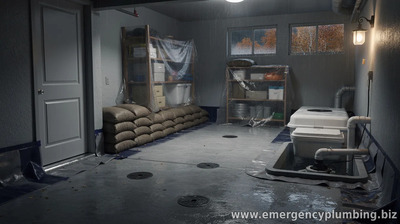
When heavy rain, storms, or grid outages hit, a sump pump’s job doesn’t wait. For homeowners with basements or crawl spaces prone to flooding, a battery backup sump pump is often marketed as “insurance” against power failures—the moments when water can rise quickly and regular pumps stop running.
So, are they worth the investment? The answer is usually “yes” for the right home and the right setup, but not universally. The key is understanding how battery backups work, what they cost, and where they perform best. What battery backup sump pumps actually do
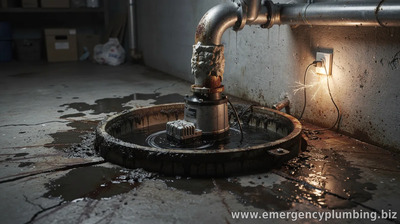
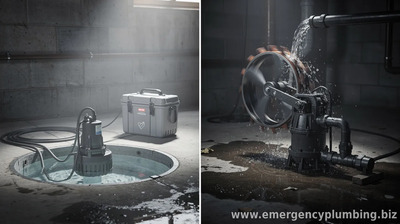
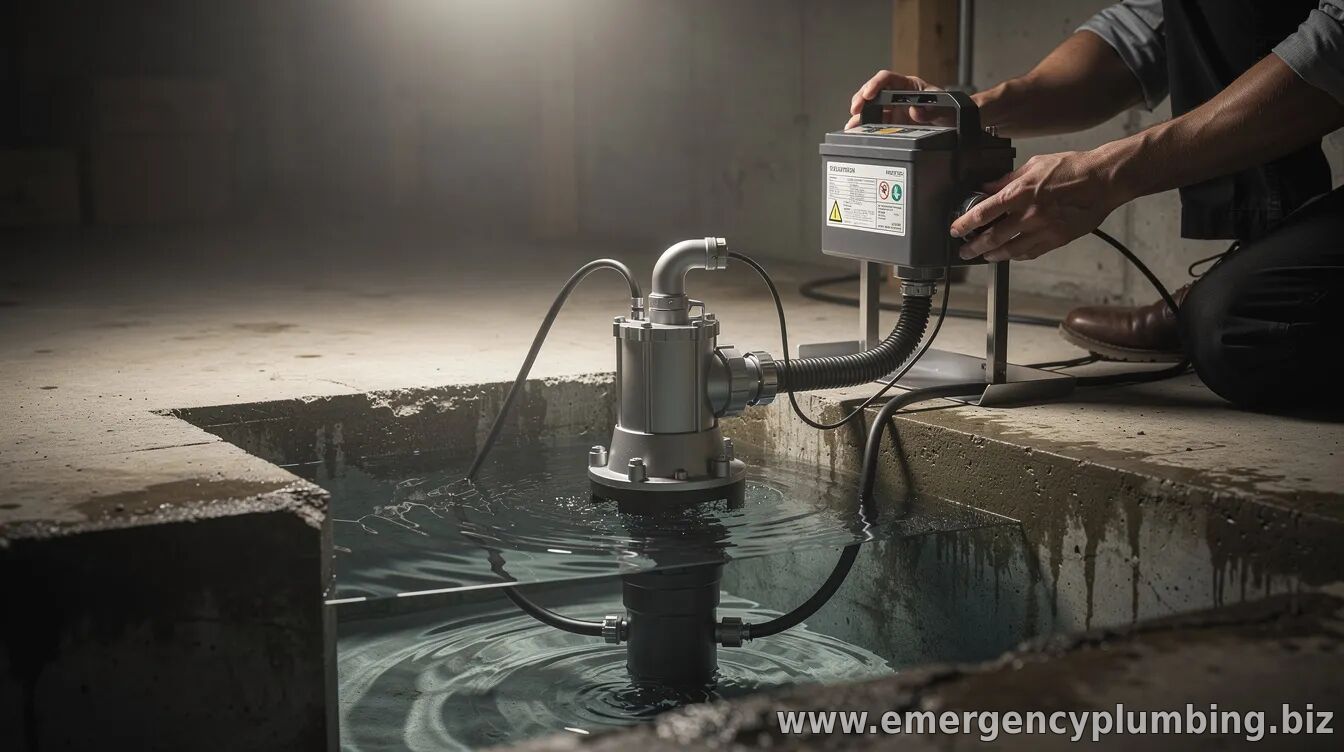
A primary sump pump moves water away from your home. A battery backup system is designed to take over when the power goes out, using a battery and an alternate pump (or backup pump) to keep water from accumulating.
Most systems include an automatic switch, a charger, and a float mechanism that activates the backup when water reaches a set level. In many models, the battery is continuously maintained so it’s ready when the outage happens. The real risk: outages during storms
Traditional sump pumps rely on electricity. During severe weather, power outages can occur at the same time groundwater levels rise. That timing can create a narrow window where a basement transitions from “wet” to “flooded” before any manual intervention is possible.
Battery backups can reduce that risk—especially for homes with frequent storms, history of basement water problems, sump pump failures, or critical storage (finished basements, utilities, or finished living space). Where the investment tends to pay off
Battery backup systems are most compelling when they address a known weakness. Consider the following scenarios:
In these cases, the battery backup doesn’t just protect against outages—it can also provide an extra layer of reliability. What to check before buying
Not all battery backups deliver the same protection. Before purchasing, evaluate performance, runtime, and compatibility with your current system. The most important factors include:
A backup system with limited runtime may still be helpful—especially if it covers the early part of an outage until power returns—but it’s less effective if your area regularly experiences long blackouts. Common downsides and misconceptions
Battery backups are not set-and-forget devices. Batteries degrade over time and may need replacement. Some homeowners also overestimate what the system can do during extended outages, assuming it will run indefinitely. In reality, battery-powered operation is limited by capacity and the pump’s energy draw.
Cost is another consideration. Installation, battery replacement, and occasional maintenance can add up. However, for many households, the potential cost of basement damage—mold remediation, ruined flooring, damaged wiring, and lost belongings—can far exceed the price of a reliable backup system. Alternatives and complementary protection
If you’re deciding between options, battery backup isn’t always the only—or first—line of defense. Many homeowners improve resilience by pairing backups with:
In many cases, these steps lower the frequency and volume of water the backup must handle—improving the system’s effectiveness.
Bottom line: Battery backup sump pumps are often worth it when outages coincide with high-water conditions and when you can confirm runtime and installation quality for your specific setup. If your basement is at serious risk during storms—or if you simply can’t afford delays—battery backup can be a practical investment in protecting your home.
If you’re evaluating options, ask for details about battery capacity, pump compatibility, and expected runtime based on your lift height, and consider professional installation if you’re unsure about existing discharge and electrical routing.
| |
⏰ Dispatcher support 24/7
📞 224-754-1984CALL ☎ Subscribe 👆 FORUM 🗣
North Shore, Northwest suburbs of Chicago, IL
Next & Previous posts
Related articles: