

3:44 AM Laundry Drain Cleaning & Repair: What Homeowners Need | |
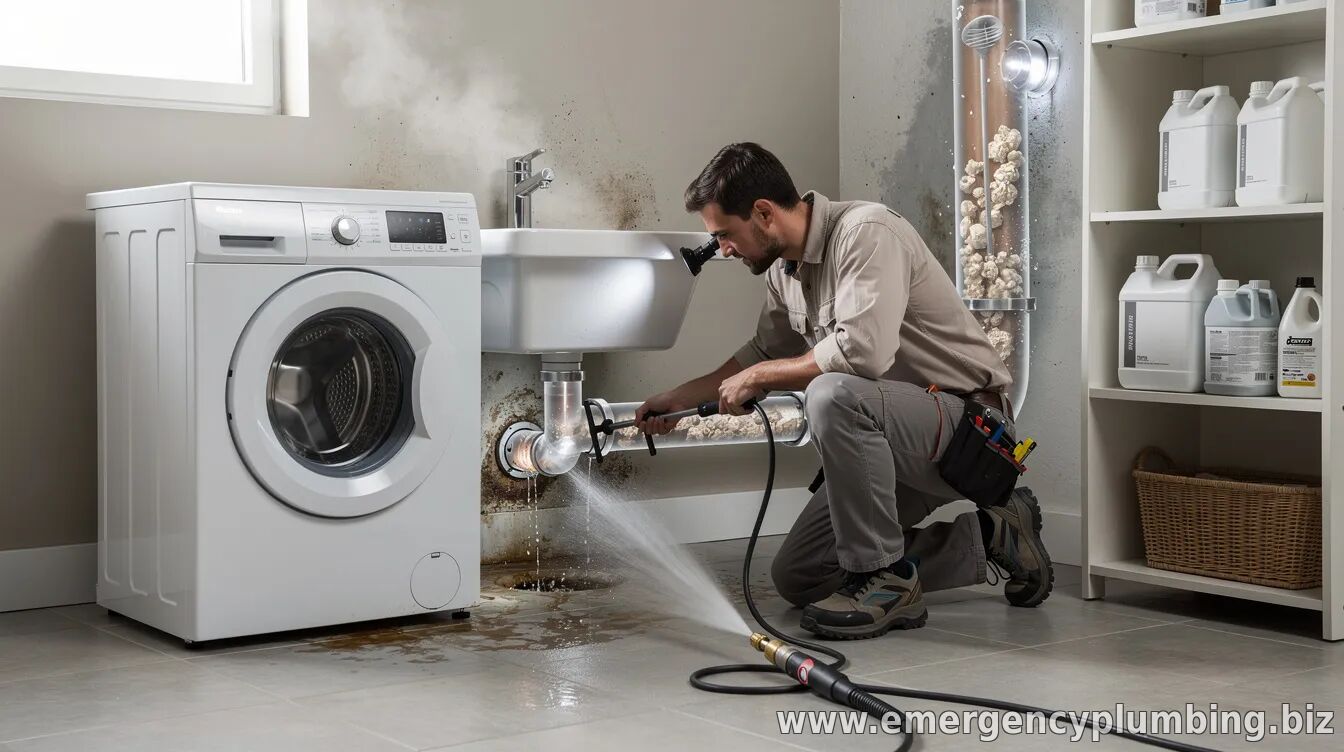
Laundry drain issues are more common than many homeowners expect. When a washing machine doesn’t drain properly, it can lead to standing water in the washer standpipe, foul smells from trapped wastewater, and strain on nearby plumbing connections.
Professionals typically begin with a quick assessment to identify the likely cause—everything from buildup of lint and detergent residue to blocked vents that disrupt drainage. Common signs of a clogged or failing laundry drain
Slow draining after a wash cycle is often the first warning. Other red flags include gurgling sounds during draining, water backing up into the laundry area, recurring odors, and leaks around the standpipe or hose connections.
Homeowners may also notice wet drywall, damp flooring, or discoloration near the laundry wall—signs that a small obstruction or connection issue has become a persistent leak pathway. How laundry drain cleaning is typically done
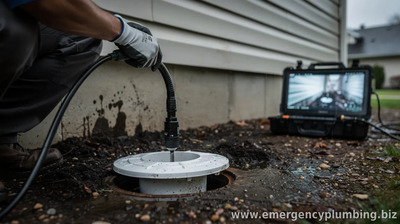
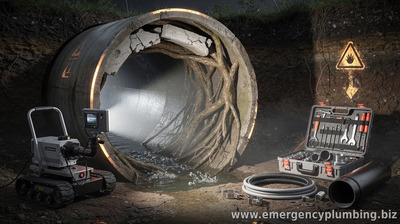
Effective cleaning usually targets the specific location of the blockage. Technicians commonly use inspection tools to view the pipe interior, then remove buildup with specialized equipment such as drain augers and high-pressure cleaning where appropriate.
Because laundry lines often collect lint, hair, and detergent film, a one-time flush may not solve the underlying problem. In many cases, proper cleaning includes clearing the main line connection and addressing any partial blockages that repeatedly reform. When repair is needed—not just cleaning
If the system has cracks, misaligned joints, corroded fittings, or recurring blockages shortly after service, repair may be the best long-term fix. Repairs can include resealing joints, replacing damaged sections, or correcting improper venting that prevents smooth drainage.
Ignoring these issues can lead to more expensive outcomes later, including water damage and contamination of nearby areas. Safety and next steps for homeowners
While minor checks like ensuring hoses are seated correctly can help, homeowners should avoid aggressive chemical pouring, which may worsen buildup or create hazards for plumbing systems. If water backs up, pooling is visible, or odors persist after basic cleaning attempts, it’s best to seek professional service.
For best results, ask for a clear explanation of what was found during inspection, whether the blockage was localized or downstream, and what preventative steps can reduce repeat clogs—such as proper lint management and routine maintenance scheduling.
| |
⏰ Dispatcher support 24/7
📞 224-754-1984CALL ☎ Subscribe 👆 FORUM 🗣
North Shore, Northwest suburbs of Chicago, IL
Next & Previous posts
Related articles: