

0:36 AM Water Damage Restoration: What to Do in the First 24 Hours | |
Water damage restoration is time-sensitive. In most cases, the first 24 hours following a leak, burst pipe, or flooding event determine how extensive the damage becomes and how difficult it will be to restore the property. Fast, correct actions also reduce the risk of mold growth and secondary problems like swelling materials and electrical hazards.
Step one is to address safety and stop the water at the source. If flooding is tied to external conditions or plumbing failure, locate and shut off the water supply if possible. Avoid entering areas where electricity may be involved—especially if water has contacted outlets, appliances, wiring, or HVAC components. When the situation is unsafe, the priority should be evacuation and contacting a qualified emergency response team.
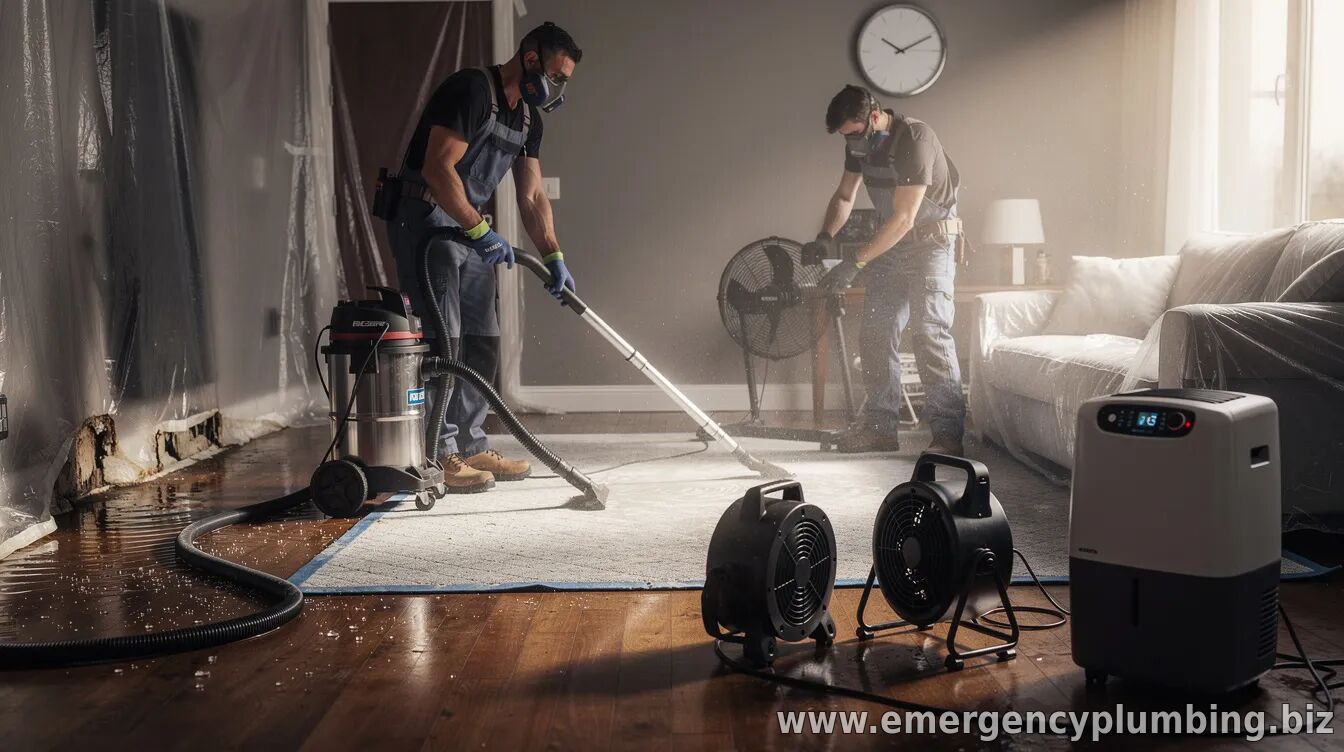
Once the immediate danger is controlled, water removal becomes urgent. Standing water should be extracted as soon as possible using pumps and vacuums appropriate for the water level and surface type. Delays allow moisture to penetrate drywall, subfloors, insulation, and other porous materials, which can lead to more labor and cost during later stages.
Drying is not just “airing out.” Restoration requires controlled drying with dehumidifiers, air movers, and careful monitoring of conditions. Professionals measure moisture levels using tools like moisture meters and hygrometers to ensure affected materials actually reach safe, dry thresholds—not merely that the room feels less wet. Why the first 24 hours are critical
In the early phase, moisture is concentrated near the source and is still relatively accessible. As hours pass, water migrates deeper into building materials and can spread through cavities, ceilings, and flooring systems. This is also the window where conditions can become favorable for microbial growth, particularly when materials remain damp.
Preventing mold starts with speed and thorough drying. Mold risk increases when humidity stays elevated and materials remain wet. Even if visible mold isn’t present right away, hidden moisture can drive growth later—sometimes after the area appears clean. Proper mitigation should include drying, appropriate material handling, and, when needed, targeted remediation. Key actions homeowners and property managers should prioritize
While professional restoration guidance is strongly recommended, the early steps below often reduce damage severity:
Not all water is the same. Cleanup protocols depend on whether the water is clean (like a supply line leak), gray (from sinks, washing machines, or other sources with potential contamination), or category considerations that may require specialized safety measures. The category influences protective equipment, disinfecting steps, and how materials are evaluated for salvageability.
Finally, early assessment prevents guesswork later. A restoration team typically evaluates the affected materials, identifies hidden moisture pathways, and develops a drying plan tailored to the structure. This includes setting goals for drying targets and determining whether sections of drywall, insulation, or flooring must be removed to allow effective drying.
Acting within the first 24 hours helps reduce secondary damage, improves drying outcomes, and supports a faster return to normal operations. For homeowners and businesses, the best strategy is simple: address safety, stop water exposure, remove water quickly, begin controlled drying, and bring in qualified restoration professionals as early as possible
| |
⏰ Dispatcher support 24/7
📞 224-754-1984CALL ☎ Subscribe 👆 FORUM 🗣
North Shore, Northwest suburbs of Chicago, IL
Next & Previous posts
Related articles: