

1:30 AM Water Hammer: Causes, Risks and How to Fix It | |
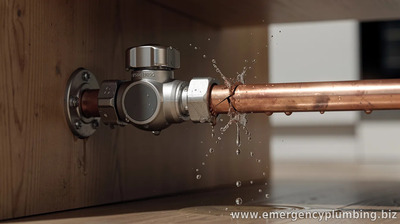
Water hammer is the familiar loud “bang” or “hammering” sound that can happen in home plumbing systems when a faucet closes, a valve shifts, or a supply line experiences a sudden change in flow. The noise comes from pressure waves traveling through the pipes—an effect similar to what you’d feel if you abruptly stopped moving water in a moving pipe network.
Although it may seem like a minor annoyance, water hammer can indicate pressure and flow conditions that may gradually damage plumbing components. Understanding why it happens is the first step toward fixing it safely and preventing repeat incidents. What causes water hammer
Water hammer typically occurs when moving water is forced to stop quickly. Common triggers include closing a faucet rapidly, turning off an appliance valve, flushing toilets, or cycling solenoid valves in dishwashers and washing machines. The faster the stop, the more sudden the pressure change—and the stronger the pressure wave.
Several underlying conditions make the problem more likely: improperly sized or aging plumbing, changes in water pressure supplied by the utility, high pressure inside the home, loose plumbing support (allowing vibration), and certain valve types (like fast-closing shutoffs). In some homes, water hammer appears after plumbing renovations or after replacing a major fixture or appliance. Why it can be risky
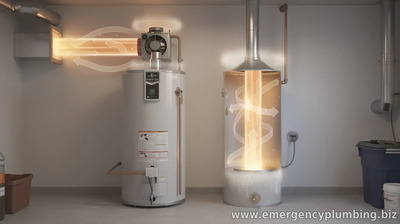
Each hammer event creates stress on pipes, joints, and valves. Over time, that stress can contribute to leaks at threaded connections, failures of fragile connectors, or loosening of fittings. In extreme cases, water hammer can damage water heater components, especially if shock loads repeatedly impact supply lines.
Beyond physical damage, water hammer can also be a sign that your system’s pressure control and flow regulation aren’t well-matched to your fixtures. If the noise coincides with unusual pressure spikes, inconsistent water pressure, or recurring bangs across multiple rooms, it’s worth addressing promptly. How to fix water hammer
The most effective fixes depend on where the hammering originates and what’s driving the pressure changes. Many solutions involve slowing the pressure transition or adding devices that absorb the shock.
Start with the basics: check for loose pipe hangers or straps and ensure plumbing is properly supported. Vibrating pipes often worsen the noise and increase wear on joints. Also confirm whether the problem started after a specific fixture or appliance was added or replaced, which can help pinpoint the trigger.
For toilets and some appliances, the issue can be tied to fill valve behavior or quick-shut solenoids. If the banging happens only when a particular device runs, targeted arrestors or device-specific adjustments can be more efficient than treating the entire system. When to call a professional
Call a licensed plumber sooner if you notice water hammer along with visible leaks, wetness around joints, repeated banging after pressure changes or utility work, or hammering near the water heater and its connections. Professionals can measure pressure, inspect the PRV (if present), identify where the shock originates, and recommend correctly sized arrestors for your system.
Because plumbing layouts vary, the “right” fix is often location-specific. The goal is to prevent the sudden pressure wave that causes the bang—either by cushioning it (arrestors), reducing system pressure spikes (PRV/pressure adjustments), or correcting the flow-stopping behavior at the fixture or valve that triggers it.
| |
⏰ Dispatcher support 24/7
📞 224-754-1984CALL ☎ Subscribe 👆 FORUM 🗣
North Shore, Northwest suburbs of Chicago, IL
Next & Previous posts
Related articles: