

1:45 AM Well Water vs. City Water: Different Filtration Needs | |
Choosing a water filtration system is less about marketing claims and more about understanding your source. City water and private well water often face different contamination profiles, which means the “best” filter for one household may be incomplete for another.
City water is treated and monitored by utilities to meet regulatory standards, typically involving centralized processes such as coagulation, filtration, and disinfection. Private wells, by contrast, rely on homeowners to test and address water quality—because there is no equivalent routine treatment or oversight at the tap. What’s different about well water
Well water quality can vary widely depending on geology, construction, and local conditions. Common concerns include naturally occurring minerals such as iron and manganese, microbial contamination from surface sources or well infrastructure issues, and dissolved substances like arsenic or radon in certain regions.
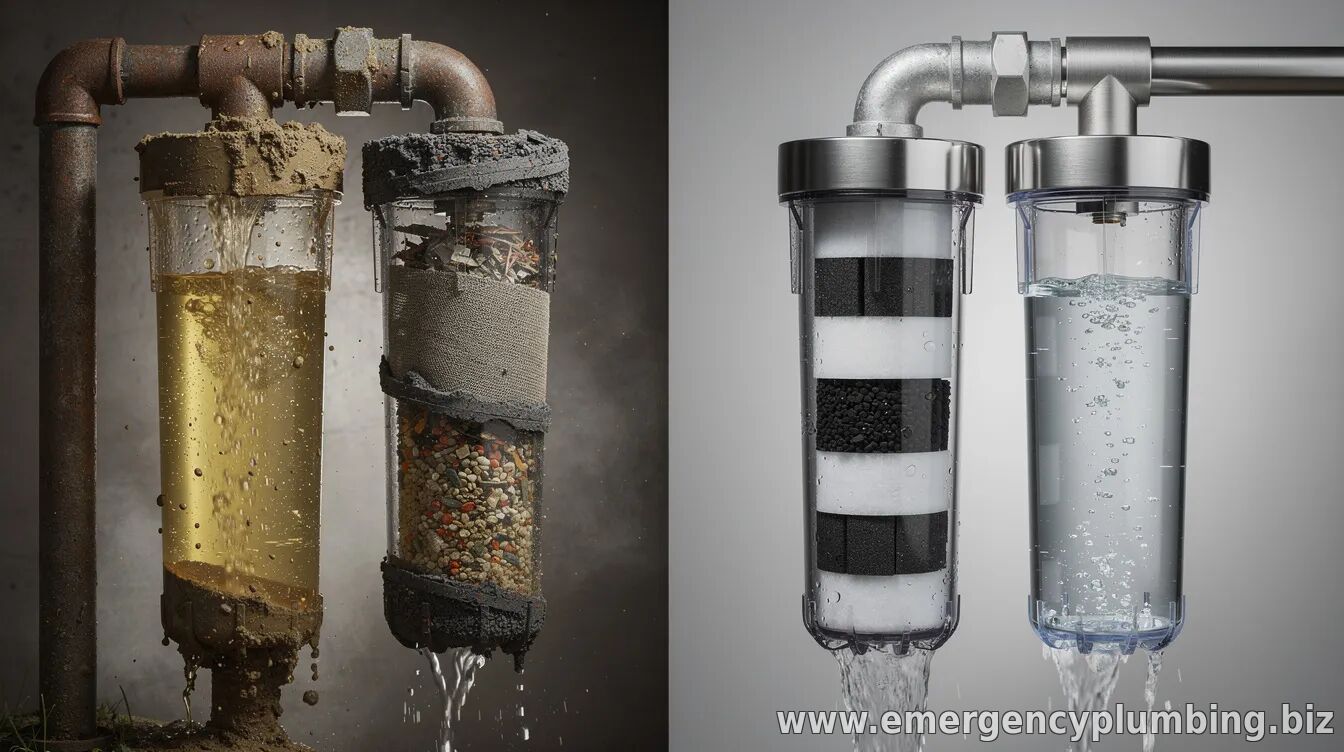
Because well water can change after heavy rain, nearby construction, or seasonal shifts in groundwater, filtration solutions are often tailored to specific test results. For example, iron and manganese may require specialty media or oxidation/filtration, while microbial risk may call for disinfection steps. What’s different about city water
Even though city water is treated, distribution systems can introduce or concentrate certain issues at the household level. Residents may encounter taste and odor concerns related to chlorine, sediment from plumbing or older service lines, or corrosion-related metals depending on local infrastructure.
As a result, many city-water filtration upgrades focus on improving aesthetics and reducing low-level exposures rather than addressing major microbial threats. Point-of-use filters can also help target specific problems—such as lead from older indoor plumbing—without adding complexity to whole-home systems. How to choose the right filtration approach
The most reliable starting point is testing. Well owners typically benefit from comprehensive water testing (both inorganic and microbial) at least annually, and after any changes to the well or surrounding area. City customers can also request utility test results and consider additional testing for localized concerns.
Once you know what’s present, you can pair contaminants with appropriate treatment methods. In general terms:
Whole-house vs. point-of-use
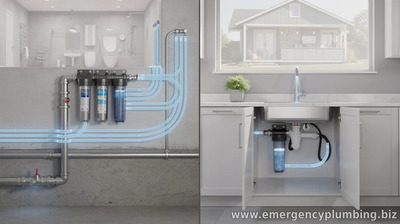
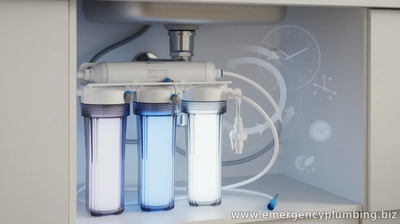
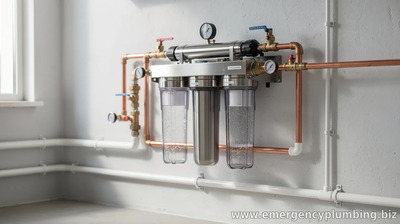
Filter placement can also change the outcome. Whole-house filtration targets water before it reaches appliances and fixtures, which can help when problems are consistent across the home. Point-of-use filters—such as those under a sink or at the refrigerator—can be more cost-effective when only drinking and cooking water needs treatment.
For well owners, a whole-home approach may be necessary if contaminants affect all water uses. City customers often find that targeted point-of-use filtration covers day-to-day needs, especially for taste, odor, and specific metals or particulates that may be tied to household plumbing.
The bottom line is straightforward: well water and city water are not “one-size-fits-all.” The most effective filtration strategy is the one matched to your water’s test results, your household plumbing, and the level of risk associated with your source.
| |
⏰ Dispatcher support 24/7
📞 224-754-1984CALL ☎ Subscribe 👆 FORUM 🗣
North Shore, Northwest suburbs of Chicago, IL
Next & Previous posts
Related articles: