

2:10 PM Whole-House vs. Portable Humidifiers for Illinois Winters | |
Illinois winters often bring dry air indoors, especially when furnaces run for long stretches. While portable humidifiers can help in a single room, whole-house units are designed to manage humidity throughout your home—often with more consistent results. The “better” option depends on your home size, humidity needs, and how much maintenance you’re willing to do. Why indoor humidity matters in Illinois
When indoor humidity is too low, you may notice dry skin, irritated sinuses, static shocks, and wood furniture shrinking or cracking. Humidity targets are typically guided by comfort and moisture control—too little won’t relieve dryness, but too much can encourage condensation and potential mold or dust-mite issues.
In cold Illinois weather, windows and exterior walls can become colder surfaces, making it easier for moisture to condense if the indoor humidity is pushed too high. That’s why the right system—and the right setpoint—matters as much as the equipment itself. Whole-house humidifiers: best for consistent, home-wide comfort
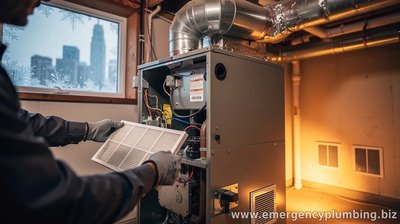
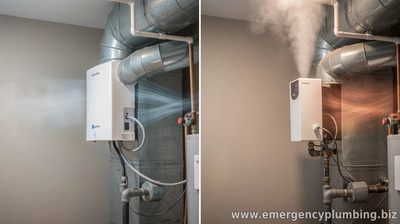
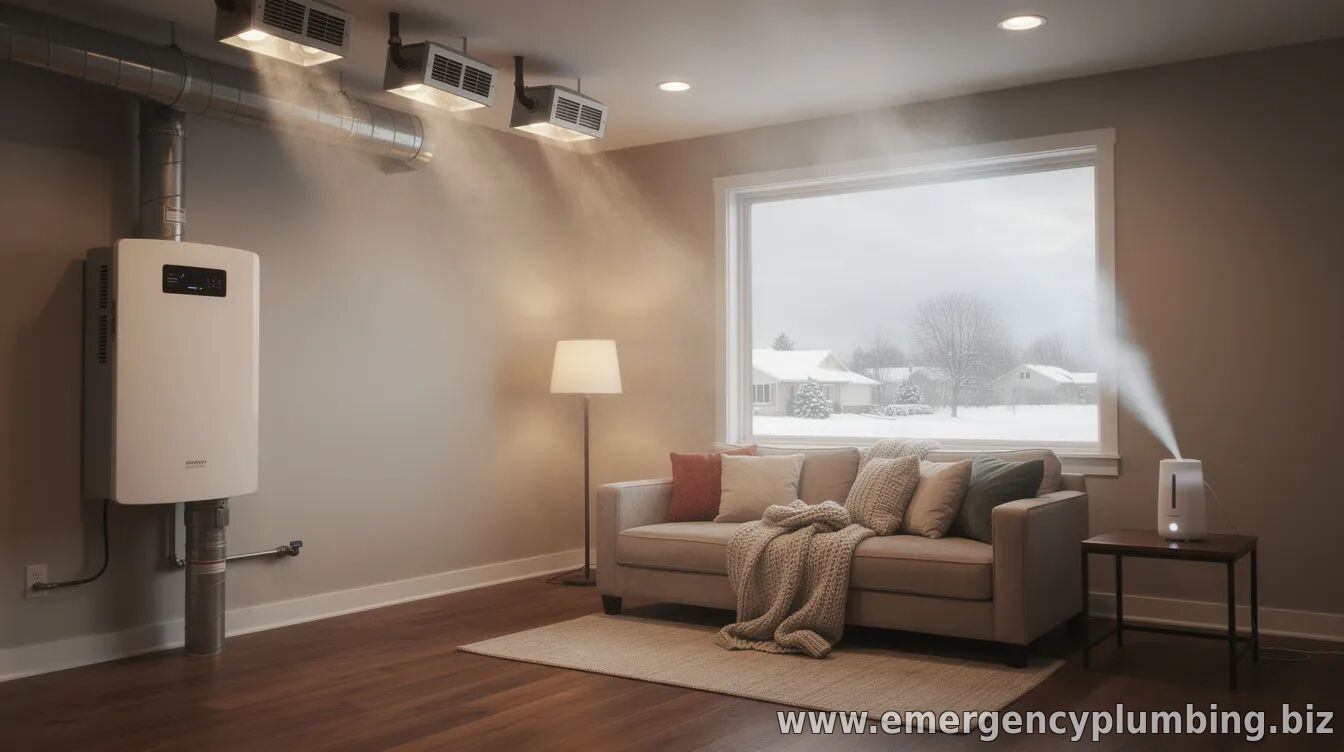
A whole-house humidifier connects to your HVAC system and adds moisture across multiple rooms as air circulates. If you’re trying to improve comfort throughout the home—especially in larger houses, multi-level layouts, or homes where furnace airflow reaches everywhere—this approach typically performs better than relying on one device in one area.
Advantages: More even humidity distribution; less “room-to-room” variation; convenient centralized control when paired with proper humidity sensing (often via a built-in or integrated humidistat). Many systems also include features designed to reduce over-humidifying.
Trade-offs: Higher upfront cost; installation complexity; maintenance that’s linked to HVAC accessibility (and typically the unit’s water feed or evaporative components). If your ductwork or furnace setup isn’t straightforward, professional installation may be worth it. Portable humidifiers: best for targeted rooms and flexibility
Portable humidifiers sit in a bedroom, living room, or nursery and let you focus moisture where people spend most of their time. They can be a practical solution for apartments, smaller homes, or for households that want to start with a low-commitment option.
Advantages: Lower cost and easier to try; simple placement; you can adjust location based on the season or occupancy. Portable units can also be helpful for “problem rooms” where dryness feels worst.
Trade-offs: You may need multiple units to cover an entire home; humidity levels can vary depending on door openings, airflow, and room size. They also require regular cleaning and water management—especially for models that use a tank that you refill and empty frequently. Which option is better for most Illinois homes?
Whole-house humidifiers tend to be the better choice if you want consistent humidity across the home, have significant furnace run-time, or experience dryness in multiple rooms. They’re also a strong fit when you’re tired of constantly moving a portable unit or managing different humidity levels in different spaces.
Portable humidifiers can be the better choice if your main goal is relief in one or two rooms, you live in a smaller space, or you prefer flexibility without HVAC integration. They’re also often a good starting point if you’re testing whether raising indoor humidity improves your comfort before committing to a larger system.
For either approach, set humidity responsibly and monitor results. If you’re seeing condensation on windows or dampness around cold surfaces, you likely need to lower the target and confirm your measurement method. Practical buying and setup tips
When you balance comfort, safety, and maintenance, the choice becomes clearer. Whole-house humidifiers usually win for comprehensive comfort, while portable humidifiers excel for targeted relief and flexibility.
If you’d like, share your home type (single-story vs. multi-level), approximate square footage, and whether you’re on forced-air heat—then you can narrow down the most practical option for your Illinois winter.
| |
⏰ Dispatcher support 24/7
📞 224-754-1984CALL ☎ Subscribe 👆 FORUM 🗣
North Shore, Northwest suburbs of Chicago, IL
Next & Previous posts
Related articles: