

9:06 AM Why Pipes Freeze in Winter and How to Prevent It | |
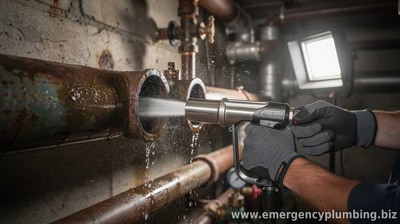
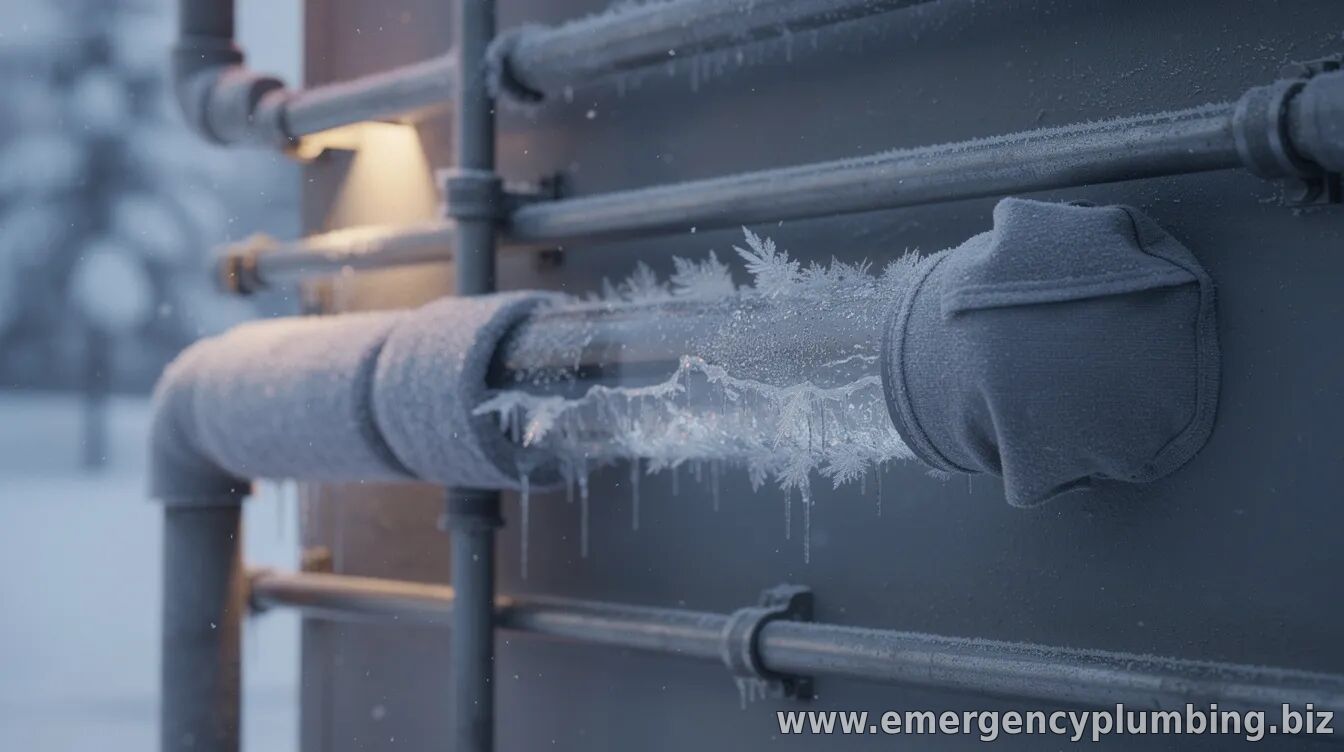
As winter temperatures fall, household plumbing can be at risk—especially where pipes run through unheated spaces. When water inside supply lines gets cold enough, it can freeze, expanding and sometimes cracking pipes, leading to leaks or flooding when the ice thaws.
Most freeze-related problems start with exposure. Pipes in exterior walls, crawl spaces, garages, basements, and along uninsulated exterior runs often cool faster than plumbing inside heated rooms. Wind and drafts can worsen the drop in pipe temperature, even when the air temperature isn’t extremely low.
Freezing typically begins at the weakest points: joints, valves, and sections with poor insulation. A small ice plug can form, blocking flow. In supply lines, continued freezing can increase pressure in nearby sections and contribute to ruptures—particularly when the pipe is trapped and water can’t relieve expanding ice. How to prevent pipes from freezing
Prevention is about keeping pipes above freezing. That usually means adding insulation, sealing drafts, and maintaining steady indoor warmth during cold snaps.
If your home has a history of freeze issues, proactive measures before the coldest weeks can be especially effective. In severe regions, upgrading insulation levels and ensuring crawl spaces are properly sealed and conditioned can reduce risk substantially. What to do if you suspect a frozen pipe
Pay attention to warning signs like reduced water flow or unusual noises in the plumbing. If you suspect a freeze, focus on warming the affected area gradually. Avoid applying open flame or excessive heat to pipes or nearby materials.
In many cases, carefully applying gentle heat (such as warm air) to the pipe section that’s most likely frozen can help restore flow. If you cannot identify the location or the pipe is already leaking, it’s safer to contact a licensed plumber to prevent further damage.
For homeowners planning around seasonal risk, a brief cold-weather checklist can help: confirm insulation coverage, check for drafts, ensure outdoor spigots are prepared, and verify that heat settings remain stable when you’re away. Taking these steps early can turn winter plumbing from a costly surprise into a manageable routine.
| |
⏰ Dispatcher support 24/7
📞 224-754-1984CALL ☎ Subscribe 👆 FORUM 🗣
North Shore, Northwest suburbs of Chicago, IL
Next & Previous posts
Related articles: