

1:51 AM Why Your Home Feels Cold at 70°F on the Thermostat | |
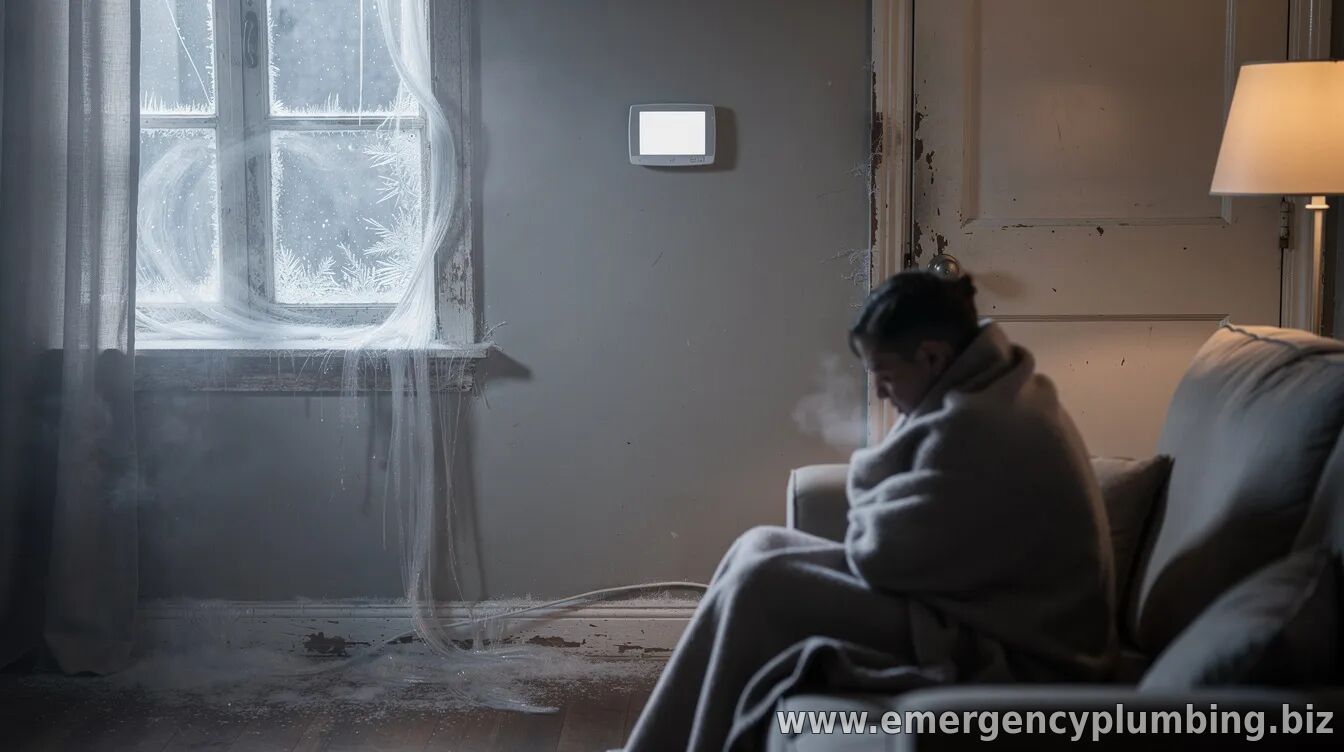
A thermostat reading of 70°F doesn’t always mean every room feels 70°F. Comfort depends on how heat moves through your house, where the thermostat is located, and how quickly rooms lose warmth. When your home feels cold while the HVAC system appears to be maintaining the setpoint, the problem is typically one of these factors: uneven temperatures, airflow issues, heat loss, or thermostat miscalibration. 1) The thermostat may be measuring the “wrong” spot
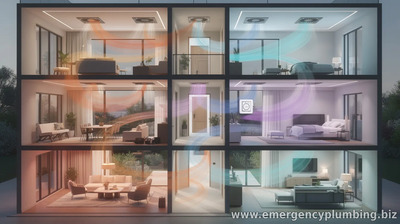
Many thermostats sit in areas that don’t represent the average temperature of the home—such as near a hallway door, in direct sunlight, by a window, above a vent, or on an exterior wall. In those cases, the thermostat can reach 70°F while the rooms you occupy are still cooler. If you notice the coldest areas are consistent (for example, bedrooms or rooms on one side of the house), this can point to placement and zoning issues. 2) Heat can be uneven due to airflow and duct problems
Even when the system is producing warm air, it may not be distributing it effectively. Leaky or unbalanced ducts can cause some rooms to receive less airflow. Similarly, clogged air filters, failing blower motors, or improperly sized/closed dampers can make certain areas feel drafty or chilly. Look for symptoms like weak airflow from vents, unusual noise, or hot-and-cold swings between rooms. 3) Cold drafts and air leaks can overpower heating
Comfort drops quickly when cold air infiltrates the home. Common culprits include gaps around windows and doors, plumbing penetrations, attic access hatches, recessed lights (especially older ones), and weatherstripping that’s worn or compressed. You may feel the cold most strongly near exterior walls, baseboards, or ceilings—often the same places where air leakage is most likely. 4) Your heating system may be cycling “on paper,” not in practice
Sometimes the thermostat satisfies its setpoint even though the home’s heat demand isn’t actually being met. Examples include short cycling (the system turns on and off too quickly), low refrigerant (in heat pumps), or a furnace/boiler that struggles under real-world load. If the system runs for short periods and the temperature quickly becomes uncomfortable again, you may be dealing with performance issues rather than a simple temperature setting. 5) Poor insulation and thermal bridging can make rooms feel colder
Heat loss isn’t just about air temperature—it’s also about surface temperature. If exterior walls, floors, or ceilings are under-insulated, interior surfaces can run colder, and you’ll feel it even if the air is 70°F. This is especially common in older homes, over garages, basements with rim joists, and rooms with above-average exterior exposure. Quick checks you can do today
If you find large temperature differences room to room, prioritize insulation and airflow causes—especially duct leakage, unbalanced dampers, and air sealing. If the thermostat seems accurate in the same area but other rooms stay cold, thermostat placement or distribution issues are the more likely explanation.
When to call a professional: If airflow is weak, the system short cycles, or you suspect duct leaks, refrigerant problems (heat pumps), or calibration issues, a qualified HVAC technician can run diagnostics like airflow measurements, duct assessments, and system performance checks. That’s often the fastest path to pinpointing why “70°F” doesn’t translate to comfort.
| |
⏰ Dispatcher support 24/7
📞 224-754-1984CALL ☎ Subscribe 👆 FORUM 🗣
North Shore, Northwest suburbs of Chicago, IL
Next & Previous posts
Related articles: