

2:11 AM Sewer Line Replacement Excavation: Homeowner Guide | |
Sewer line replacement usually begins long before any dirt moves. Before excavation starts, contractors confirm the pipe’s condition, map its route, and coordinate permits and utility checks to reduce surprises during the work. 1) Pre-work planning: locating the problem and the line
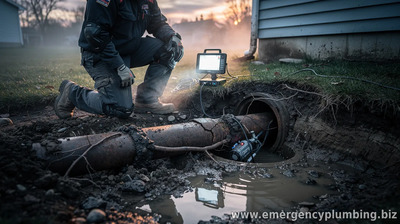
Most projects start with an inspection (often using a camera) to identify where the pipe is damaged, collapsed, leaking, or causing backups. The team then determines the likely route of the existing sewer line and the best access points for excavation.
In parallel, the contractor schedules required utility locate services and checks for nearby power, gas, water, cable, and irrigation lines. Permits may be needed depending on your city or county, especially if excavation extends into the right-of-way. 2) How excavation is done: access points and site setup
Once the line is located, excavation is performed from one or more access pits or trenches. The contractor may choose the most practical entry point based on where the pipe runs, the home’s foundation layout, and the presence of trees, fences, driveways, or landscaping.
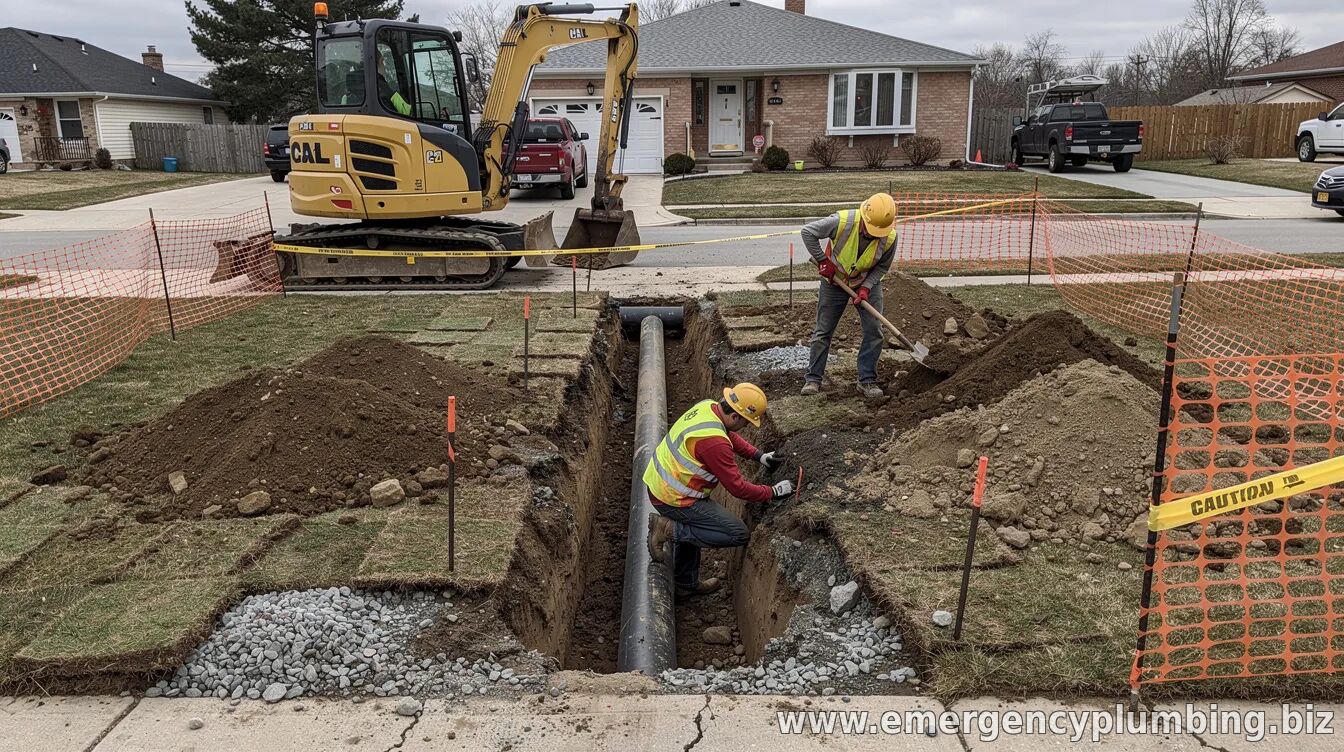
Before digging, you can expect temporary site setup: barriers or cones for safety, protection for nearby landscaping where possible, and staging for equipment. Contractors may also coordinate noise and dust control, particularly in populated neighborhoods. 3) What you’ll see during removal and replacement
Excavation typically involves digging down to reach the damaged section, removing the old pipe, and then installing new pipe materials to meet local specifications. Depending on the condition and layout, replacement may involve partial sections or a full run.
During installation, crews focus on alignment, slope, joint integrity, and connections to existing plumbing and cleanouts. In deeper trenches, additional safety measures—such as shoring or trench protection systems—may be used to prevent collapse.
If groundwater is present, dewatering may be required to keep the work area stable. That can involve pumps and temporary drainage controls, and it may affect the schedule. 4) Backfill, testing, and restoration
After the new sewer line is installed, contractors commonly perform pressure and/or air testing (or other checks required by local code) to verify watertight performance and proper function. Only then does backfilling begin.
Backfilling is not just “covering the hole.” Crews typically use approved fill materials and compact in layers to help prevent settling. You should plan for restoration as well—such as replacing topsoil, seeding or sod, patching concrete/asphalt, and repairing driveways or walkways where excavation occurred.
Some restoration work may be staged: rough grading first, followed by final landscaping after the new fill settles. Ask what “final finish” includes and whether there’s a timeline for follow-up restoration. 5) Schedule, costs, and factors that change timelines
How long excavation takes depends on trench depth, soil type, access constraints, and how many sections must be replaced. Weather can also slow work, particularly after heavy rain or if soils become unstable.
Cost can vary based on footage, pipe material, disposal of excavated material, restoration requirements, and whether additional repairs are discovered during digging. It’s wise to request a written scope of work that clarifies what’s included and how change orders are handled.
Homeowners should also discuss property protection measures—such as how the site will be protected from mud or runoff, how cleanup is managed at the end of each day, and where equipment will be parked to avoid damage to lawns, sprinklers, or fences.
While excavation is disruptive, planning ahead can make the process smoother. If you’re preparing for sewer line replacement, confirm the permit and utility-locate status, ask about the access-pit plan, and get clear expectations for testing and restoration before crews arrive.
| |
⏰ Dispatcher support 24/7
📞 224-754-1984CALL ☎ Subscribe 👆 FORUM 🗣
North Shore, Northwest suburbs of Chicago, IL
Next & Previous posts
Related articles: