

4:06 AM Do Closing Vents in Unused Rooms Save Money? | |
Homeowners often wonder whether simply closing air vents in unused rooms is a smart way to cut heating and cooling bills. The short answer is that it can reduce energy use in some homes, but it’s not a universal money-saver—and doing it incorrectly may cause comfort problems or strain on the system.
What matters most is how your heating and air-conditioning system distributes air, and whether it’s designed to handle rooms being starved of airflow. When closing vents may save energy
In many conventional forced-air systems, air is moved based on thermostat calls for heating or cooling. If closing a vent significantly reduces the amount of heated/cooled air that needs to be delivered to a space—and that space would otherwise pull down overall efficiency—then energy consumption may drop slightly.
For example, if an unused room is consistently colder than the rest of the home in winter (or consistently warmer in summer), restricting airflow there may reduce the system’s workload to maintain the thermostat setpoint elsewhere. Why savings can be smaller than expected
Despite the intuitive logic, the actual energy draw of your system is often driven more by the thermostat demand and indoor/outdoor temperature difference than by the number of open vents. If your thermostat still “feels” a similar load because other rooms compensate for temperature changes, the system may run for the same amount of time.
Also, if your HVAC is maintaining humidity, fighting drafts, or cycling to meet airflow/comfort requirements, closing vents in one area might only shift air patterns rather than reduce total runtime meaningfully. Potential downsides: comfort and system performance
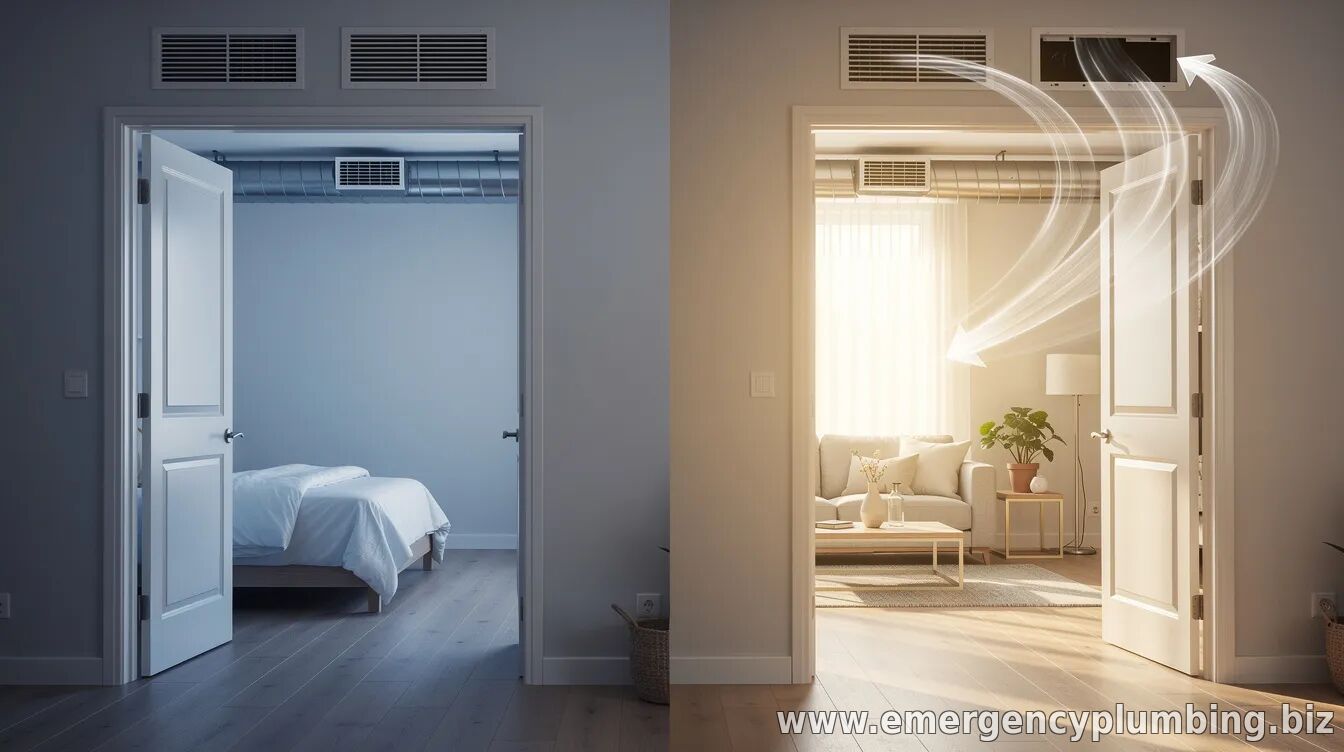
Closing vents too aggressively can create pressure imbalances. Many HVAC setups are designed for a certain total airflow; restricting some rooms can increase resistance in the duct system or alter how evenly air reaches different parts of the house.
Common symptoms include rooms that feel stuffy or remain hot/cold longer than expected, uneven temperatures across floors, unusual noise, or—depending on the system—more frequent cycling. In worst cases, it can affect comfort and strain components over time. Best practices if you want to try it
If you’re aiming for lower costs without risking performance, a cautious approach is usually safer than fully sealing vents:
For modern systems, especially those with variable-speed fans or sophisticated controls, airflow behavior can differ. In such cases, the “right” strategy may be closer to zoning or smart vent control than simply closing vents. Bottom line
Closing vents in unused rooms may save some money in certain homes, but the savings are often modest and depend heavily on duct design, overall system airflow, and how the thermostat responds to temperature changes. If you choose to do it, partial closures and careful monitoring are the safest path.
For larger efficiency gains, homeowners typically get more predictable results from sealing air leaks, improving insulation, using programmable or smart thermostats correctly, and ensuring the HVAC system is properly sized and balanced.
| |
⏰ Dispatcher support 24/7
📞 224-754-1984CALL ☎ Subscribe 👆 FORUM 🗣
North Shore, Northwest suburbs of Chicago, IL
Next & Previous posts
Related articles: