

0:46 AM Combi Boiler vs. Separate Boiler and Hot Water Tank | |
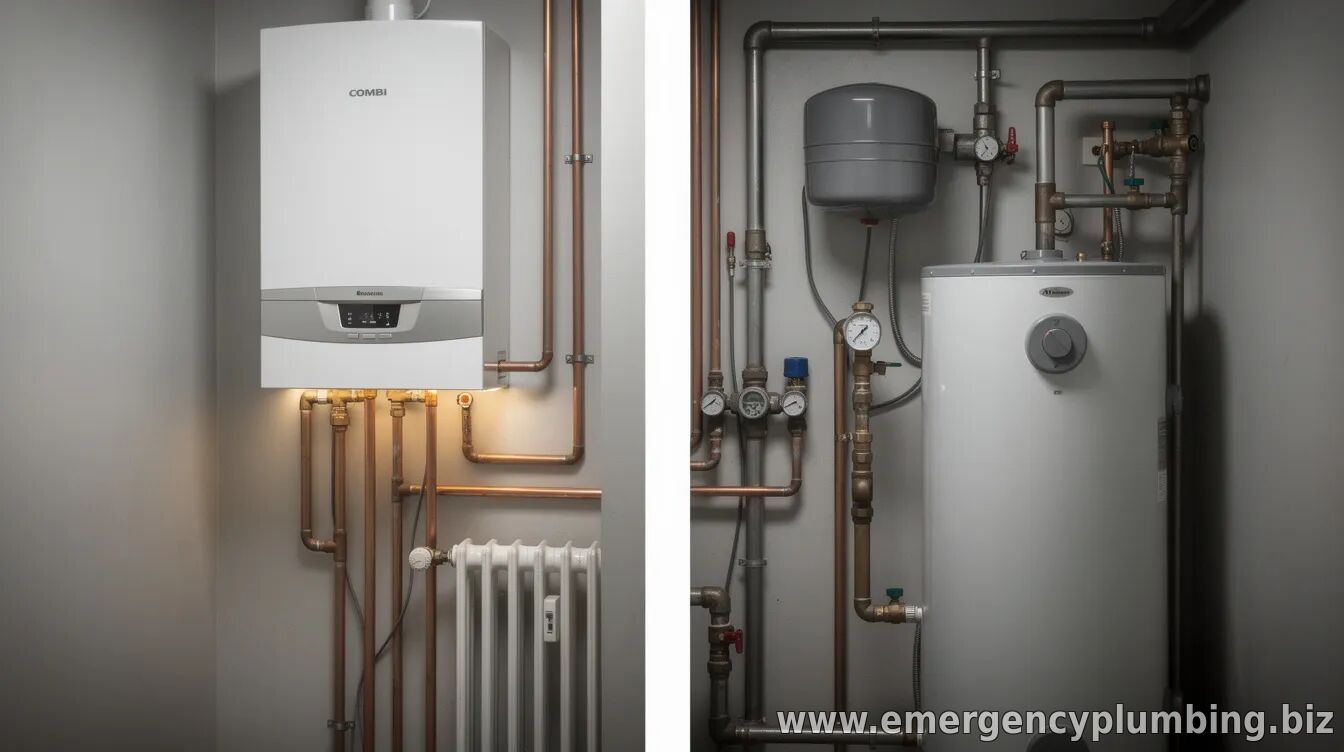
When homeowners compare a combi boiler with a separate boiler plus hot water cylinder (often called “system” or “heat-only” setups), the decision usually comes down to how you use hot water, how much space you have, and your priorities for efficiency and installation cost.
Both options can deliver reliable heating and hot water, but they behave differently—especially when multiple taps are used at once. What a combi boiler does (and doesn’t)
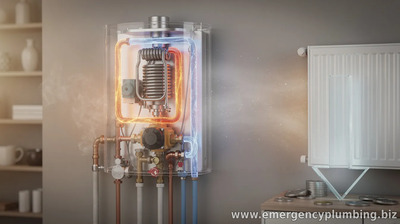
A combi boiler (combination boiler) heats water directly from the mains when you open a hot tap, so you typically don’t need a separate hot water cylinder. This “on-demand” approach often appeals to smaller homes or properties where cupboard space is limited.
Pros:
Cons:
What a separate boiler + hot water tank does
In a separate setup, the boiler heats the water in a dedicated cylinder, which then supplies hot water to your taps and showers. The system is designed to deliver more consistent hot-water performance over time—particularly in homes with higher or simultaneous hot-water demand.
Pros:
Cons:
How to choose: practical scenariosIf your home is relatively small, your hot-water usage is light to moderate, and you want to minimize equipment and space requirements, a combi boiler is often the straightforward choice. It’s especially convenient for properties where hot water is used in shorter bursts—like showers, washing up, and quick taps.
Conversely, if you regularly need hot water at the same time—such as multiple showers in the morning, a busy household, or higher daily usage—a separate boiler with a hot water cylinder may provide a smoother experience because it’s designed to store and deliver a ready supply. Efficiency and running costs: what to considerEfficiency depends on more than the system type. Boiler efficiency ratings, system controls (like thermostats and smart controls), pipe insulation, cylinder insulation (for tank setups), and how you actually use hot water can outweigh the headline difference between combi and cylinder systems.
In general, many households see strong performance with modern condensing boilers and good controls—so the “best” option is often the one correctly sized to your demand and installed with sensible settings. Installation and long-term value
Combi installations can be simpler where there’s limited space, since the cylinder and related pipework are typically not required. Separate systems may cost more upfront due to the cylinder and associated components, but they can offer long-term comfort benefits in larger households or where simultaneous hot-water demand is common.
Whichever you choose, getting a properly sized design and controls package matters. A well-matched system usually delivers the best balance of comfort, efficiency, and fewer day-to-day disappointments.
Bottom line: choose a combi boiler for on-demand hot water and simpler setups—especially in smaller homes—while a separate boiler plus hot water cylinder can be the better fit for larger households and consistent performance when multiple outlets are used together.
| |
⏰ Dispatcher support 24/7
📞 224-754-1984CALL ☎ Subscribe 👆 FORUM 🗣
North Shore, Northwest suburbs of Chicago, IL
Next & Previous posts
Related articles: