

2:46 AM Plumbing Considerations for Medical & Lab Facilities | |
Plumbing systems in medical and laboratory environments operate under stricter expectations than typical commercial buildings. Water quality, cross-connection control, pressure management, and waste disposal must be designed and maintained to protect patients, preserve equipment performance, and meet applicable health and safety regulations.
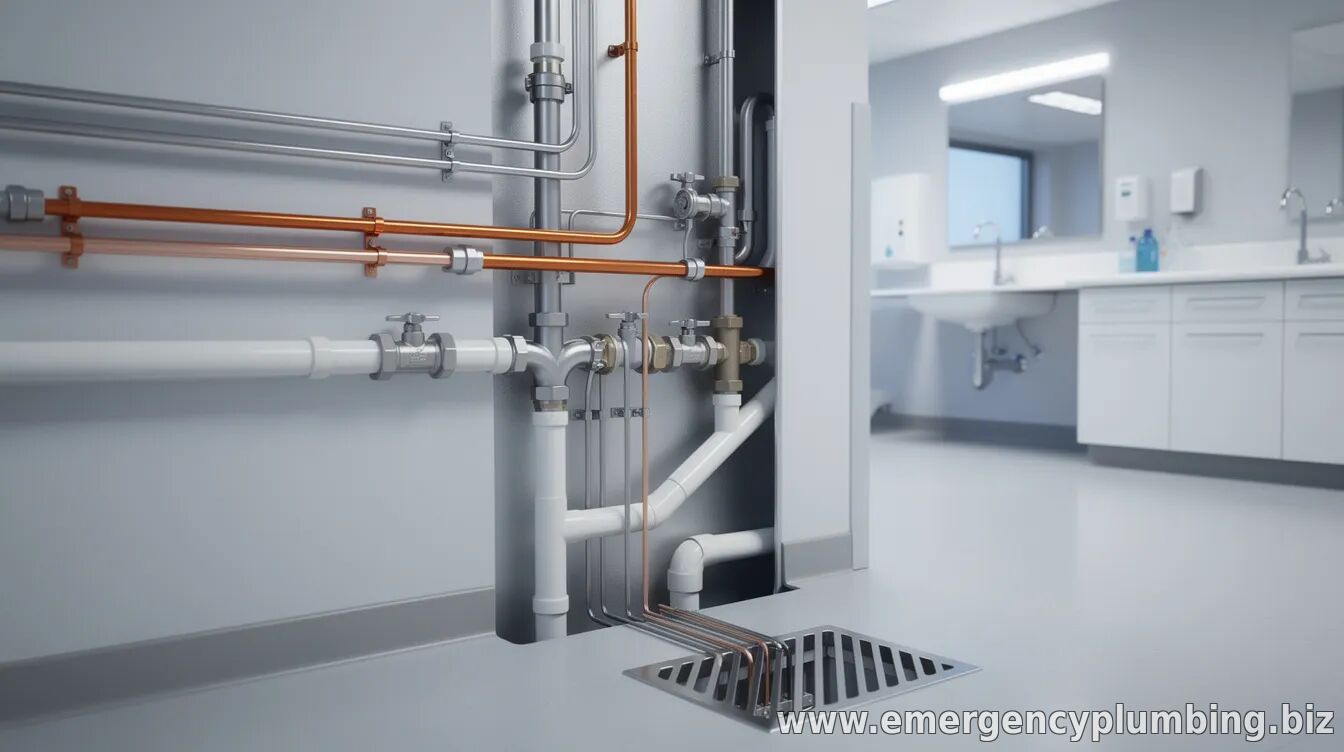
Because these facilities often combine clinical care with research or production, the plumbing scope usually goes beyond “hot and cold.” Teams must plan for deionized water, sterilization loops, specialized drains, managed venting, and systems that can isolate hazards when something goes wrong. Cross-connection and backflow prevention
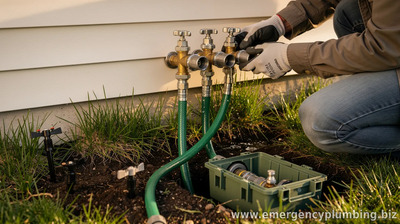
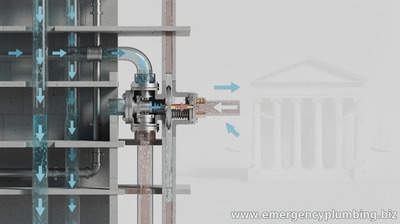
One of the most critical plumbing considerations is preventing unwanted mixing of potable and non-potable water streams. Backflow protection—such as air gaps, reduced pressure zone (RPZ) assemblies, or double-check devices—helps ensure contaminants cannot enter the drinking-water supply. This is especially important where sinks, lab service points, or equipment discharge lines connect to potable water.
Equally important is an intentional cross-connection control strategy: labeling, zoning, approved connection types, and inspection schedules. Facilities should also validate that maintenance practices preserve device integrity and that field changes do not bypass the protection scheme. Drainage design for process and clinical needs
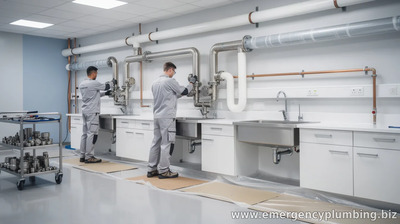
Drainage requirements vary widely across medical and lab spaces. Clinical areas may require reliable wastewater removal with appropriate trap protection, while laboratories often discharge chemical or biologically contaminated waste streams. Designing the drainage system around segregation—by waste type and required treatment—reduces risk and supports regulatory compliance.
Engineers also need to address flow rates, slopes, cleanout access, venting, and trap behavior under fluctuating usage. Where intermittent discharges occur (common in labs), venting and trap protection become crucial to prevent siphonage, odor migration, and loss of barrier protection. Water quality control and monitoring
Beyond “availability,” plumbing for these facilities must maintain consistent water quality for clinical use and lab processes. Systems for softened or filtered water, as well as deionized or purified water networks, must be designed to minimize stagnation, optimize circulation, and limit microbial growth risks associated with long dwell times.
Monitoring is typically part of the plumbing strategy. Pressure regulation, temperature control, and water-quality testing regimes help identify issues early—before they impact sterilization, equipment calibration, or patient outcomes. Sealing, materials, and chemical compatibility
Material selection affects both safety and longevity. Pipes, fittings, valves, and seals must be compatible with the facility’s cleaning agents and any chemical streams that may contact plumbing components. In labs, this may include acids, bases, solvents, and oxidizers—each requiring careful compatibility review to avoid corrosion, swelling, or degradation.
Installation details matter as much as the spec. Proper joint methods, consistent workmanship, and controlled commissioning reduce leaks and microbial colonization risks. For high-sensitivity areas, minimizing dead legs and ensuring clean install practices can improve system performance over time. Pressure management and operational reliability
Many medical and lab environments require stable pressure conditions to support critical equipment—such as lab instrumentation, sterilization systems, eyewash or safety stations, and selected clinical devices. Pressure reducing valves, staged pumping where needed, and thoughtful routing can help prevent unexpected pressure swings that degrade performance or trigger device faults.
Reliability planning also includes redundancy for key branches, fail-safe valving, and accessible shutoffs that can isolate problem zones without disrupting entire wings. Maintenance, inspection, and lifecycle planning
Even well-designed plumbing can fail if inspection and maintenance aren’t built into operations. Backflow devices need regular testing; drainage systems require scheduled cleaning to remove buildup and reduce stoppages; purified water loops need commissioning follow-through and periodic verification.
Facility teams should coordinate maintenance access during design—ensuring cleanouts are reachable, sensors and sampling ports are accessible, and documentation is complete. Clear as-built records, schematics, and asset registers help reduce downtime when troubleshooting or during regulatory inspections. What to prioritize in project planning
For facility owners and project teams, plumbing risk reduction typically starts with an integrated approach across engineering, infection control, lab safety, and facilities operations. Prioritize a coordinated design that addresses cross-connection protection, segregated drainage, water quality and monitoring, materials compatibility, and practical maintenance access.
When these considerations are handled early—and validated through commissioning and ongoing inspection—medical and laboratory plumbing can deliver safer operations, fewer interruptions, and better compliance outcomes.
| |
⏰ Dispatcher support 24/7
📞 224-754-1984CALL ☎ Subscribe 👆 FORUM 🗣
North Shore, Northwest suburbs of Chicago, IL
Next & Previous posts
Related articles: