


1:17 AM Preparing Your Illinois Basement for Spring Flooding | |
Spring in Illinois can bring intense storms and rapid rises in local waterways, increasing the risk of basement flooding. While you can’t control the weather, you can prepare your home so water has fewer ways to enter and less ability to cause lasting damage.
Start by assessing your specific risk. If your basement has flooded in past years, note where water appears first—around floor drains, sump pits, utility penetrations, or cracks near the foundation. That “pattern” will guide which fixes deliver the biggest payoff. Inspect drainage, pumps, and water pathways
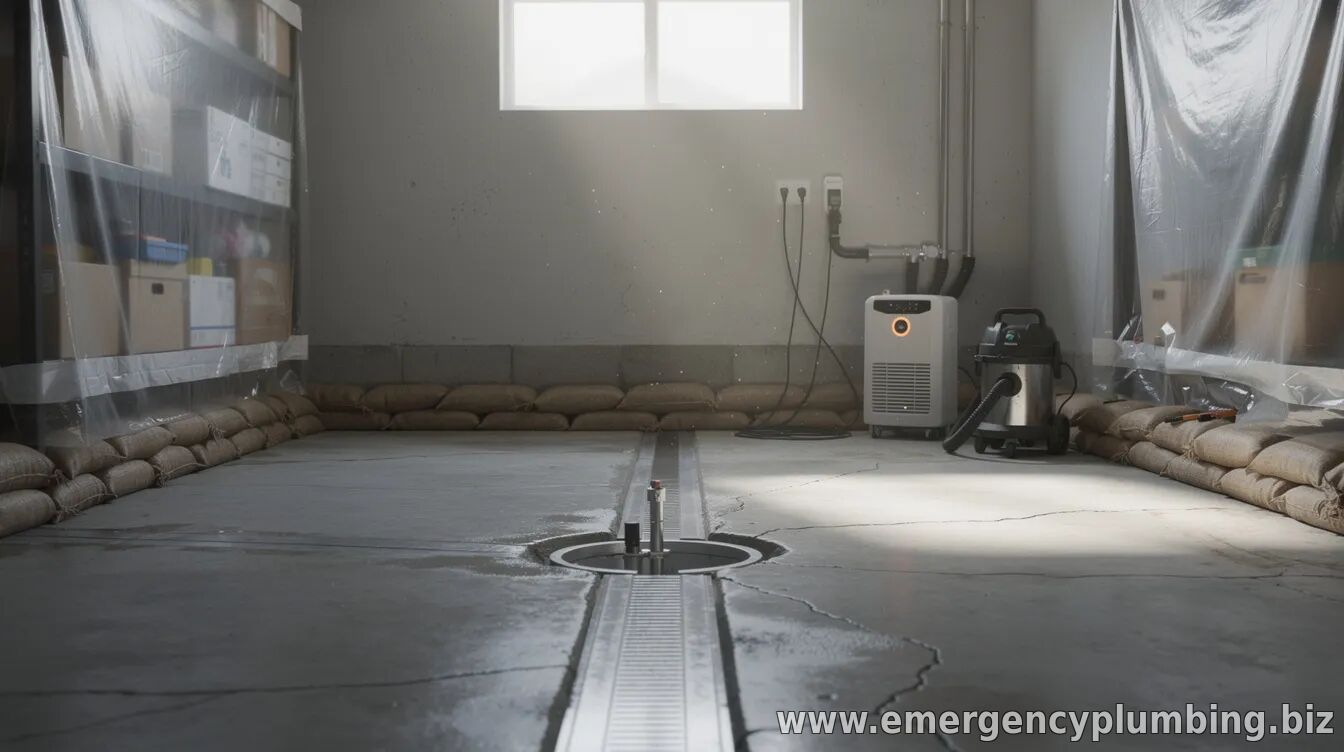
If you have a sump pump, test it before heavy rain arrives. Confirm the float switch activates properly, the discharge line is clear, and the pump can expel water away from the foundation. If your home has a battery backup or water-powered backup system, verify it’s functional and that batteries are charged.
Also check floor drains, sump pits, and any backflow valves. Clear debris and ensure grates can drain freely. If you rely on a dehumidifier to control humidity, service it ahead of time—flooding often turns a moisture problem into a mold risk within days. Seal common entry points in older basements
Many basement leaks start small: hairline cracks, gaps around pipes, and poorly sealed foundation penetrations. Inspect areas where plumbing or wiring enters the home, and consider using appropriate sealants or gaskets designed for masonry and wet environments. For larger cracks, consult a qualified professional to address structural concerns.
If your basement has a finished wall or flooring near the foundation, look for damp drywall seams or blistering paint—early warning signs that water is migrating through the building envelope. Addressing these issues before spring storms can prevent repeated cycles of wetting and drying. Keep water away from the foundation
Improving exterior drainage often matters as much as indoor preparations. Ensure downspouts and gutters direct water at least several feet away from the foundation. If grading slopes toward the house or the ground is settling, consider regrading or installing drainage solutions designed for your lot.
Even simple steps help: clear debris from yard drainage paths, remove leaves and silt from window wells, and keep soil and landscaping from blocking intended runoff routes. Plan for an emergency and reduce losses
Create a flood-response plan so you can act quickly when conditions change. Store frequently damaged items higher than floor level—especially cardboard boxes, paper documents, electronics, and fabrics. Consider using plastic bins with tight lids for valuables.
Review your insurance coverage before the season. Standard homeowners policies may not include flood damage, so confirm whether you have flood coverage and what it covers for basements and belongings.
Finally, establish who does what during severe weather—who checks the pump, who monitors water levels, and how you’ll document damage for claims. Taking these steps in advance can reduce both physical damage and stress if flooding does occur.
For Illinois homeowners, spring flood preparedness is a practical mix of system checks, targeted sealing, and an emergency plan. By preparing before storms arrive, you give your home a better chance to withstand heavy rain—and your recovery afterward is far easier.
| |
⏰ Dispatcher support 24/7
📞 224-754-1984CALL ☎ Subscribe 👆 FORUM 🗣
North Shore, Northwest suburbs of Chicago, IL
Next & Previous posts
Related articles: