

0:56 AM Why Shower Water Temperature Changes When Toilets Flush | |
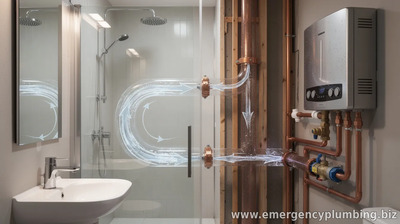
It’s a common (and surprisingly noticeable) home plumbing issue: you’re in the shower, then the toilet flushes—and the shower suddenly runs hotter or colder. In most cases, this isn’t a mysterious malfunction; it’s a fast change in water pressure and flow that affects how your hot and cold water are delivered.
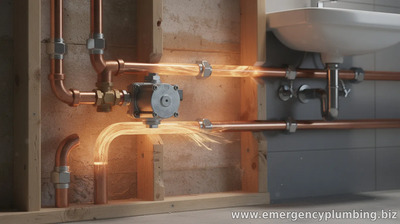
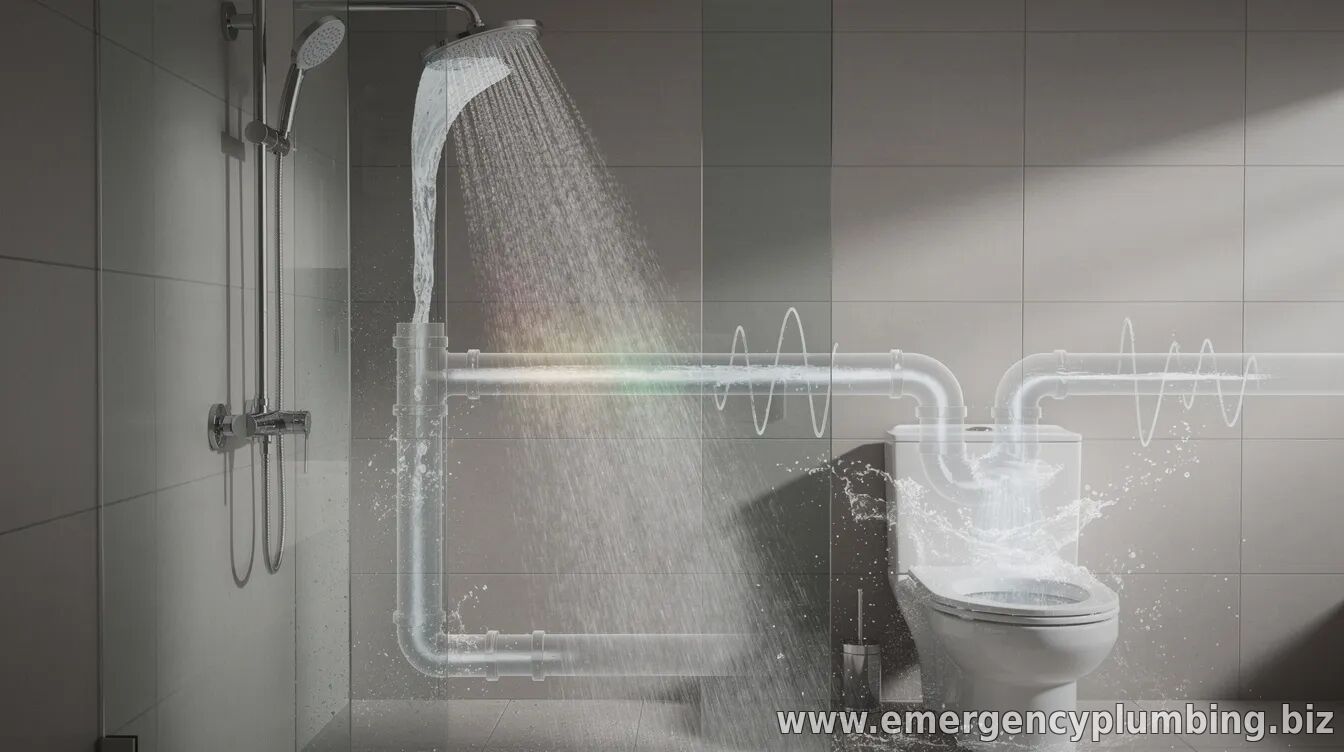
The core cause is pressure change. When a toilet flushes, it pulls a surge of water through the household plumbing. That sudden demand can momentarily lower water pressure on either the hot side, the cold side, or both—especially if multiple fixtures share the same supply lines or if there isn’t much “buffer” space in the plumbing system. How the shower temperature gets affected
Most showers rely on one of two setups: a mixing valve that blends hot and cold, or a pressure-balancing/thermostatic control. When the flush changes pressure, the balance between hot and cold can shift for a few seconds. For example, if cold pressure drops more than hot pressure, the mix can skew toward hot water, making the shower feel warmer; the opposite can make it feel colder.
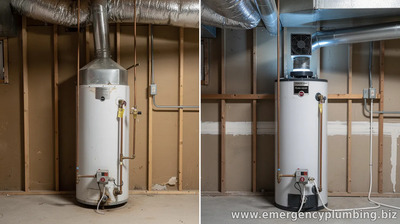
Water heaters can also contribute. If your home uses a tank-style water heater, heavy flow changes can alter how quickly hot water is delivered. With tankless water heaters, the effect can be more pronounced because they modulate output based on flow rate. A sudden pressure/flow change can briefly change heating behavior, which may show up as a temperature swing at the shower. Common locations where this happens
This effect is more likely when pipes are arranged so that the toilet and shower share supply routes (or run near each other). It can also occur if shutoff valves, water regulators, or small-diameter pipes restrict one side more than the other, making the system sensitive to sudden surges.
What you can check first
Start with low-effort checks that don’t require tools. Confirm whether the temperature change is consistent (always warmer or always colder) and whether it happens only with certain toilets or only during specific times (like when hot water demand is high). Then inspect and operate any accessible shutoff valves for the shower and nearby fixtures to ensure they’re fully open.
If your home has a pressure regulator (often installed near the main water line), it’s worth verifying the pressure setting. If you can do it safely, a plumber can also measure hot and cold water pressure to see whether one side is experiencing a larger drop during flushes. When to call a plumber
If the temperature swings are frequent, large, or get worse over time, it’s a good idea to have a licensed plumber evaluate the system. They may check for uneven pressure, flow restrictions, or issues with the shower mixing/pressure-balancing valve. In some cases, adding or adjusting pressure regulation, replacing worn internal valve parts, or correcting supply line routing can solve the problem.
In short, a toilet flush changes the household water demand in an instant. That rapid change can upset the balance your shower depends on—triggering a brief temperature shift. With a few targeted checks and, if needed, professional assessment, you can usually track down the pressure/flow cause and restore stable shower temperatures.
| |
⏰ Dispatcher support 24/7
📞 224-754-1984CALL ☎ Subscribe 👆 FORUM 🗣
North Shore, Northwest suburbs of Chicago, IL
Next & Previous posts
Related articles: