

6:28 AM Selling a Home in Illinois: Plumbing Issues That Kill Deals | |
In Illinois, plumbing failures aren’t just inconvenient—they can become dealbreakers. When buyers suspect a property’s water or waste systems are unreliable, inspections often shift from “nice to know” to “stop the clock,” because fixing plumbing can be expensive, disruptive, and sometimes hard to confirm without opening walls or digging.
From a buyer’s perspective, several common plumbing issues repeatedly surface during due diligence and can lead to repair requests, credit negotiations, or termination of the sale. 1) Active leaks and recurring moisture
The fastest way to derail a deal is evidence of a current leak or persistent moisture. Buyers look for damp drywall, water stains on ceilings, pooling near water heaters, mildew odors, or signs of patchwork repairs that don’t match the rest of the home. Even if visible damage seems minor, buyers know leaks can indicate failing supply lines, faulty shutoff valves, or problems behind finishes.
Because leak diagnosis can require invasive work, buyers often treat active or repeat leaks as a higher-risk issue—especially if the seller can’t document prior repairs or provide credible inspection results. 2) A failing water heater or venting issues
Water heater problems are another common flashpoint in Illinois transactions. Buyers frequently flag units that are beyond their expected lifespan, show signs of corrosion, or fail basic tests during the home inspection. Gas water heaters also raise additional concerns: improper venting, damaged flues, or unsafe installation can be both costly and safety-critical.
In negotiations, buyers may request the heater be replaced outright or ask for a larger credit to cover replacement, labor, and permit requirements. 3) Older plumbing materials and uncertain pipe condition
Even when there’s no obvious leak, older plumbing materials can worry buyers—particularly if the seller can’t confirm maintenance history. Buyers often pay close attention to “time-tested” but aging pipe types and connections that may be more prone to failures as they deteriorate.
If an inspection suggests mixed materials, questionable workmanship, or signs of internal scaling, buyers may push for further evaluation before committing. In some cases, they request scope for line repairs rather than accepting a superficial fix.
For buyers, the key issue is not just whether the plumbing works today, but whether it is likely to remain reliable. Deferred maintenance in supply or drainage systems can convert a manageable repair into a recurring expense after closing. 4) Sewer or drainage concerns (including roots and backups)
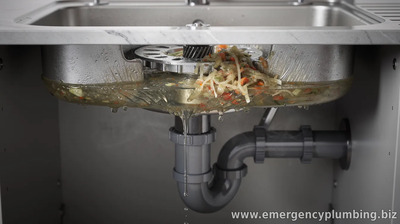
Illinois buyers also scrutinize the home’s drainage and sewer performance. Signs include slow drains, recurring toilet backups, gurgling sounds, foul odors near cleanouts, or water pooling in areas that should remain dry. These symptoms can indicate clogs, failing drain lines, compromised joints, or intrusion from tree roots.
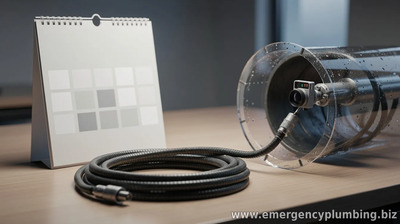
Because sewer line investigations can require specialized equipment (and sometimes access through landscaping or floors), buyers may treat drainage defects as “may be more than it seems” until a camera scope or confirmatory tests are completed.
When a seller can’t provide recent documentation—such as a completed scope report—or when problems appear systemic rather than isolated, buyers often hesitate to move forward without significant concessions.
In many purchase agreements, plumbing and sewer issues can become bargaining leverage. Buyers may request:
If the seller declines or proposes an option the buyer believes is insufficient risk reduction, the deal can stall—especially in competitive timelines. 5) Foundation-related plumbing damage
Homes can experience plumbing problems that originate in the structure itself. Buyers become concerned when inspection findings suggest cracked or shifting foundations, improper grading, or misaligned lines. Even a working system can fail sooner if pipes are strained by movement.
From a buyer’s standpoint, foundation-linked plumbing issues increase uncertainty. Unless the seller can demonstrate the system is stable and properly repaired, buyers may escalate the issue to engineering review or require a more comprehensive remediation plan.
That additional scrutiny can change the economics of the transaction and complicate scheduling—both of which can derail closings.
Ultimately, plumbing issues derail deals when they cross two thresholds: they appear unsafe or likely to worsen, and the seller cannot provide clarity, proof, or a cost-effective path to resolution. For Illinois buyers, the goal isn’t to “find problems,” but to avoid inheriting expensive, unpredictable repairs after closing.
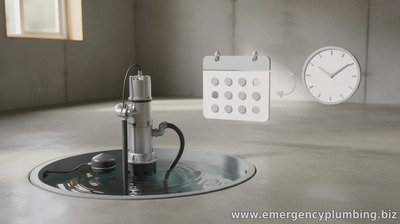
If you’re selling, the best defense is readiness: gather documentation of past repairs, ensure accessible cleanouts and water heater service records are available, and consider pre-listing inspections so you can address plumbing concerns before they become negotiation flashpoints.
| |
⏰ Dispatcher support 24/7
📞 224-754-1984CALL ☎ Subscribe 👆 FORUM 🗣
North Shore, Northwest suburbs of Chicago, IL
Next & Previous posts
Related articles: