

1:43 AM Electric vs. Gas Water Heaters: Costs and Efficiency | |
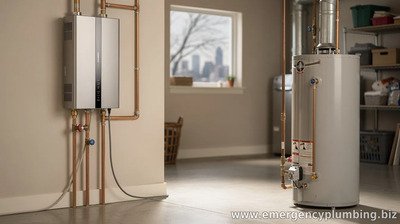
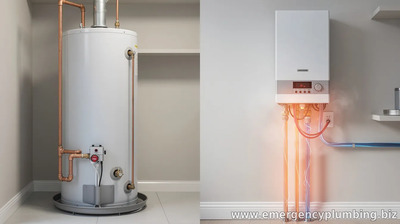
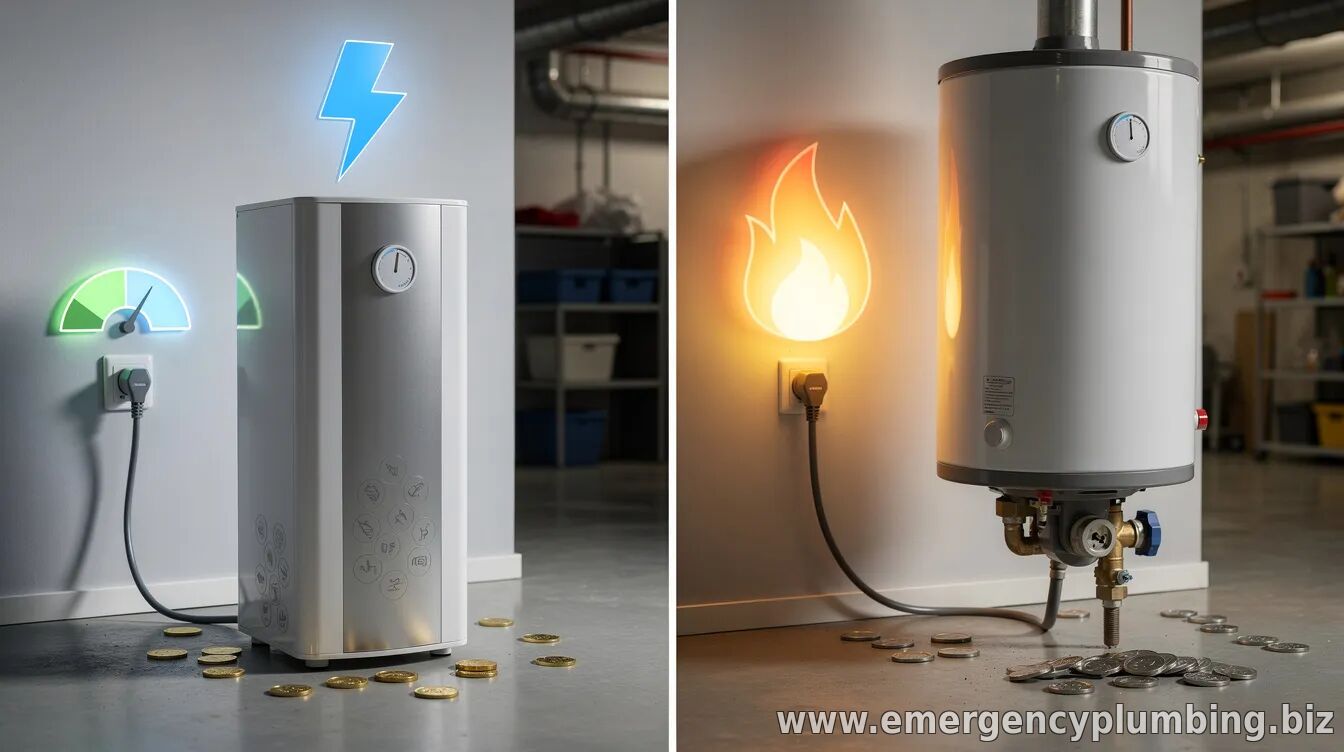
Electric and gas water heaters can both deliver reliable hot water, but they often differ in upfront cost, day-to-day operating expenses, and overall efficiency. The “better” option depends largely on local energy prices (electricity vs. natural gas or propane), your household’s hot-water demand, and whether you’re replacing an existing unit or installing one for the first time.
Below is a practical comparison of cost and efficiency, along with common scenarios that tend to favor one fuel type over the other. Efficiency: how much energy becomes hot water
Water heater efficiency is typically measured by how effectively the heater converts energy into usable heat. In broad terms, modern electric water heaters (including heat-pump models) can be highly efficient, while gas units vary depending on the type.
Conventional gas tank models often operate with lower efficiencies than premium electric heat pumps, but they can still be competitive in many regions. Gas condensing water heaters—available in some markets—generally improve efficiency by capturing additional heat from exhaust gases. Electric resistance tank heaters convert nearly all input energy into heat, but they can be more expensive to run when electricity prices are high. Operating costs: fuel prices drive the bill
Even when two heaters have similar “efficiency,” your monthly costs can diverge widely because electricity and gas don’t cost the same per unit of energy in every location. In areas where natural gas is relatively inexpensive, gas water heaters often have an advantage on operating costs. Where electricity is cheaper—or where incentives and high-efficiency equipment apply—electric models can narrow the gap or pull ahead.
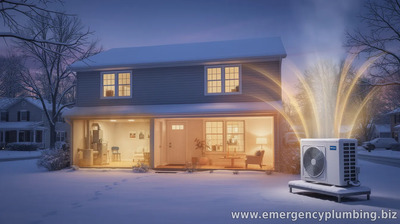
Heat-pump electric water heaters are often the most cost-efficient electric option because they move heat rather than creating it from scratch. However, their performance can be affected by ambient temperature, and they may be better suited to homes with favorable installation conditions. Upfront costs: installation and equipment differences
Electric water heaters frequently cost less to install because they may require less complex venting and fuel-line work than gas systems. Gas water heaters can involve higher installation costs, especially when gas piping or venting upgrades are needed.
That said, if you’re replacing like-for-like—swapping an electric unit for another electric unit or a gas unit for another gas unit—installation costs may be closer to the price difference between the appliances themselves. Long-term value: what to weigh beyond the sticker price
When comparing electric vs. gas, it helps to look at the full lifecycle question: how long you plan to keep the heater, expected maintenance needs, and how sensitive you are to rate fluctuations. Electric resistance heaters tend to have fewer moving parts than combustion-based systems, which can simplify maintenance. Gas heaters may require periodic attention to combustion components and venting, depending on the design.
Also consider your home’s electrical capacity and ventilation situation. An electric installation may require upgrades if your panel or wiring isn’t prepared for higher electrical loads, while a gas installation may require careful compliance with venting and safety requirements. Quick decision guide by typical scenarios
If you want a rule-of-thumb rather than a spreadsheet, these common patterns can help:
No matter which fuel you pick, check the heater’s recovery rate, energy factor or uniform energy factor (as applicable), tank size or storage capacity, and whether the unit matches your usage pattern.
The bottom line: Electric heaters can be very efficient—particularly heat-pump models—while gas heaters often compete well when gas prices are favorable and you select an efficient design. The most accurate comparison is usually a local-cost estimate based on your utility rates and the heater’s measured efficiency.
| |
⏰ Dispatcher support 24/7
📞 224-754-1984CALL ☎ Subscribe 👆 FORUM 🗣
North Shore, Northwest suburbs of Chicago, IL
Next & Previous posts
Related articles: