

3:11 AM Signs Your Sump Pump Is About to Fail | |
A sump pump works as your basement’s last line of defense against groundwater. Many failures are gradual—your pump may still run, but it won’t move water the way it should. Recognizing the warning signs early can help you avoid a costly basement flood. 1) The pump runs constantly or cycles more frequently
Sump pumps are designed to turn on when the water level rises to the float switch and then shut off once the basin is pumped down. If you notice the pump running longer than usual or starting and stopping repeatedly over a short time, it may indicate a clogged intake, a failing check valve, or a water level issue that the pump can’t keep up with. 2) Strange sounds: grinding, rattling, or a loud hum
While normal operation can be heard, unusual noises are a strong signal of trouble. A grinding or rattling sound may point to worn bearings or debris in the pump housing. A loud hum or buzzing that doesn’t produce normal pumping can suggest the motor is struggling or that the impeller is blocked.
In some cases, the pump may run but water doesn’t move effectively—your basement may also show signs of moisture even when the pump is active. Reduced flow can be caused by a clogged discharge pipe, a damaged impeller, or insufficient voltage to the motor. 3) The pump runs but the water level doesn’t drop
If the pump turns on yet the basin water level remains high, the pump may be failing under load. Check for obvious obstructions in the discharge line and listen for whether the pump sounds like it’s pumping normally. If the discharge is blocked or the pump can’t move water to the outlet, the system can quickly fall behind during heavy rain.
Also pay attention to how quickly the basin clears after the pump activates. A noticeably slower drain can indicate wear in internal components or reduced pump performance. 4) Corrosion, leaks, or water around the pump
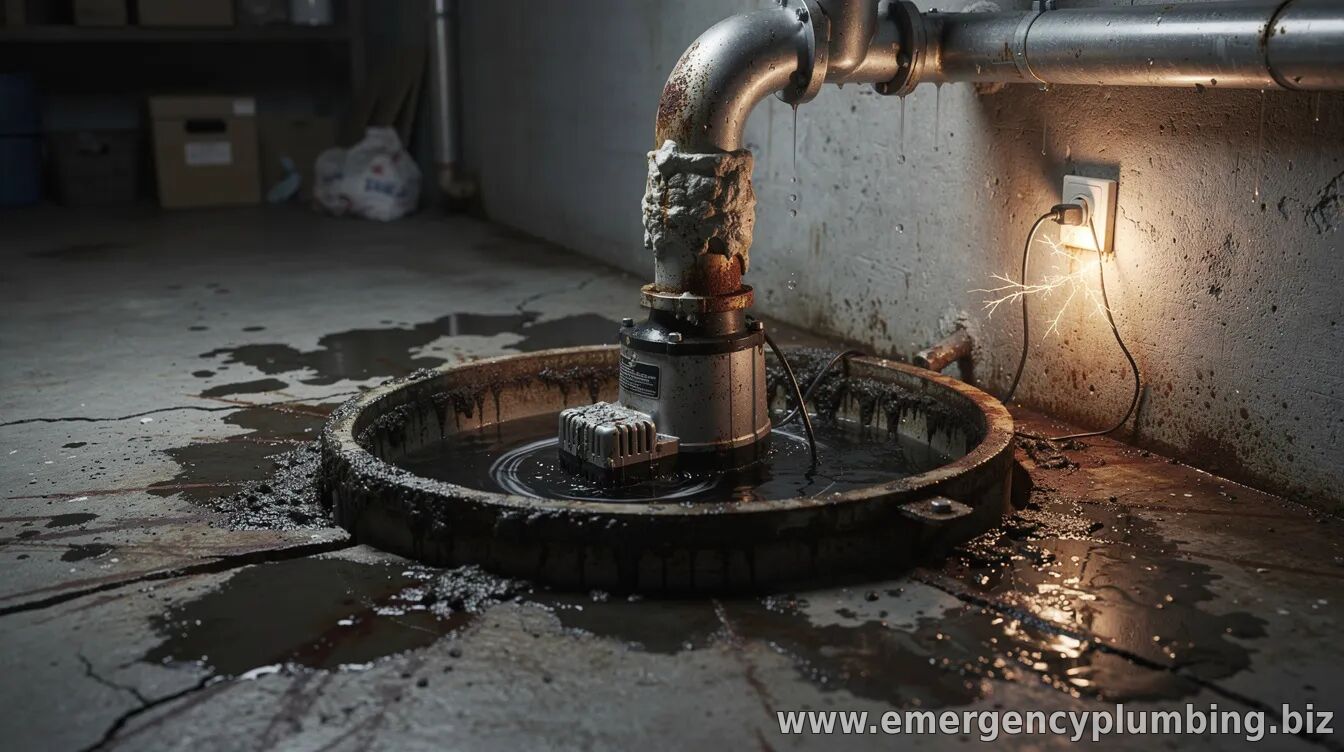
Visible rust, corrosion at electrical connections, or water collecting near the pump can be warning signs of deterioration. Leaks around the unit or seals can reduce reliability and create electrical risks. Even if the pump still runs, degraded seals and housings often worsen over time.
If you find moisture near the outlet, power cord connections, or the lid of the basin, it’s worth having the pump and its wiring inspected. Water ingress can accelerate failure, especially in systems exposed to frequent high groundwater events. 5) The float switch is stuck or doesn’t move freely
The float switch controls when the pump turns on and off. A stuck float—due to debris, misalignment, or physical damage—can cause problems ranging from short-cycling to continuous running. Other indicators include the pump starting at the wrong water level or failing to start when water rises.
Regularly checking that the float moves freely (and that nothing blocks it in the basin) can prevent preventable failures. If the float is damaged, replacement is usually more reliable than repeated adjustments. 6) Check valve failure or backflow in the discharge line
A check valve helps prevent water from flowing back into the sump. If it’s stuck open or failing, water may reverse direction after the pump shuts off, leading to repeated cycling and higher basin water levels. In a failing system, this can feel like the pump never gets ahead of the water.
Backflow symptoms can also show up as persistent moisture or dampness where you’d expect the basin to stay dry between pump cycles.
While occasional operation is normal, repeated signs of strain—constant cycling, abnormal sounds, slow pumping, leaks, or float issues—suggest the pump may be nearing the end of its service life. Consider checking the discharge line for obstructions and inspecting the basin, float, and electrical connections. If performance problems persist, plan for replacement or professional evaluation before the next heavy rain.
If you rely on a sump pump for flood protection, pairing it with a battery backup (where applicable) and maintaining a simple inspection routine can reduce the risk of unexpected downtime. Early intervention often costs far less than emergency water removal and cleanup.
| |
⏰ Dispatcher support 24/7
📞 224-754-1984CALL ☎ Subscribe 👆 FORUM 🗣
North Shore, Northwest suburbs of Chicago, IL
Next & Previous posts
Related articles: