

REQUEST A QUOTE 📩

Submit the form, we'll contact you as soon as possible!


Name:
Email *:
Phone *:
Message *:
Select type of service *:
Your area *:
Add file (15 Mb MAX):
Security code *:

Emergency plumbing, plumber near me, service, HVAC, IL


Quick and Reliable Bathtub Drain Clog Solutions

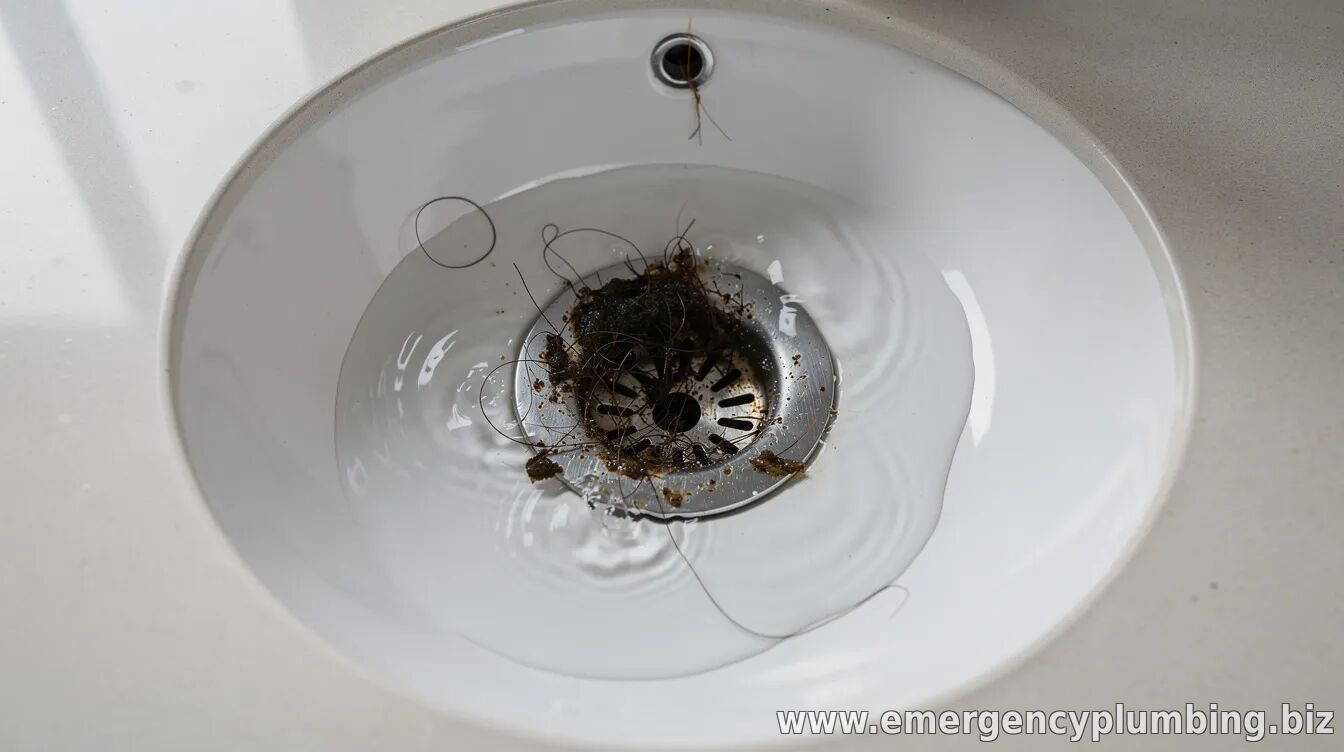
Clogged bathtub drains are a common home nuisance, especially when hair and soap scum accumulate over time. A quick, reliable fix can save you time, money, and the inconvenience of standing water. Below are practical strategies that use items you likely already have around the house, followed by when to call a professional.


1) Start with the basics: Remove the stopper and clear any visible hair from the drain opening. A bent wire hanger or needle-nose pliers can help. After clearing the surface, run hot (not boiling) water for a few minutes to dissolve soap residue and soften gunk.


2) Plunge for pressure: A cup or sink plunger can push the clog loose if there’s a seal around the drain. Cover the overflow plate if your tub has one, add water to cover the plunger, and plunge vigorously for 20–30 seconds. Repeat a few times as needed.


3) Baking soda and vinegar combo: Pour 1/2 cup of baking soda down the d ... Read more »

04/03/2026 41 0
How to achieve the right pitch for your shower drain

When planning or reworking a shower, one of the most critical details is the drain slope. A proper pitch directs water toward the drain efficiently, reducing standing water, mold risk, and maintenance headaches. The commonly recommended slope for a residential shower floor is about 1/4 inch of fall per foot (2% gradient). This means that over a 48-inch (4-foot) shower, you’d want roughly 1 inch of total drop from the far edge to the drain.


Why the slope matters goes beyond quick drainage. An inadequate pitch can lead to slow draining, water pooling at one end, and an uneven floor that feels uncomfortable underfoot. Conversely, too steep a slope can create an uncomfortable, fast-water edge and potential cracking if the subfloor isn’t prepared properly. Builders often balance the slope with waterproofing layers, curb height, and tile thickness to achieve a uniform, safe surface.


Key steps to achieving the correct pitch during i ... Read more »

04/02/2026 42 0
How Long Does It Take to Repair a Plumbing Issue? A Practical Timeline

Plumbing issues don’t come with a one-size-fits-all timeline. From a quick clogged drain to a hidden pipe leak, repair duration depends on several factors, including the problem type, access to the affected area, the complexity of the job, and the availability of parts and permits where required.


Common scenarios and typical timelines


Clogged drains or toilets: Minor clogs can often be cleared in less than an hour, while stubborn blockages may require more time for snaking or hydro-jetting. If multiple fixtures are affected, expect a longer service window as the technician checks the entire system.


Leaky faucets or fixtures: Replacements or seal repairs are usually completed within 1–2 hours, assuming easy access to shutoffs and DIY-friendly connections. Hard-to-reach fixtures or corroded fittings can add time.


Pipe leaks (visible): Small leaks in accessible pipes ... Read more »

04/01/2026 42 0
Is hydro jetting safe for all types of plumbing pipes?

Hydro jetting, or hydro jet cleaning, is a technique that blasts water through a line at very high pressure to remove stubborn buildup, mineral deposits, and grease. It can restore flow in many drains and sewer lines, but its appropriateness depends on the pipe material, age, and existing damage.


Common pipe materials include PVC, copper, galvanized steel, cast iron, and concrete. PVC is generally tolerant of hydro jetting, especially when performed by a trained professional who uses appropriate pressures. Copper and cast iron can also handle hydro jetting, but older pipes or those with corroded joints may be at risk of cracks or further damage if the pressure is too high or if an unsuitable nozzle is used.


Pressure levels matter. Professional hydro jetting services typically adjust psi based on pipe type and condition. Too high a pressure can cause cracks, loosening of joints, or pipe collapse in fragile sections. A pre-inspection, ofte ... Read more »

03/31/2026 45 0
« 1 2 3 4 5 6 7 ... 76 77 »