

1:11 AM How Flood Control Systems Work: North Shore Examples | |
When a river rises or coastal water surges, flood damage rarely comes from a single cause. That’s why modern flood control systems are built as a network of “layers,” designed to manage water at multiple points—upstream, along shorelines, and in low-lying neighborhoods.
On the North Shore, where communities face recurring flooding from intense rainfall and tidal conditions, the most effective systems focus on controlling how fast water moves, where it goes, and how long it stays. The result is less pressure on any one structure and more resilience when conditions deteriorate quickly. The core idea: slow, store, redirect, and protect
Most flood control programs rely on four practical strategies. First, slow water through channels, grading, and flow-control devices so it doesn’t rush into vulnerable areas. Second, store floodwater temporarily using retention basins, reservoirs, or underground tanks. Third, redirect runoff away from homes and critical infrastructure via diversions and improved drainage networks. Finally, protect against extreme events with barriers, levees, seawalls, and floodwalls.
In practice, these strategies interact. For example, retention capacity that’s adequate for a typical storm may be insufficient for rare “record” rainfall—so operators rely on additional defenses and on emergency operating plans that change how water is managed. What happens during a storm: the system “switches modes”
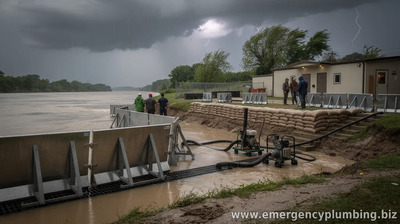
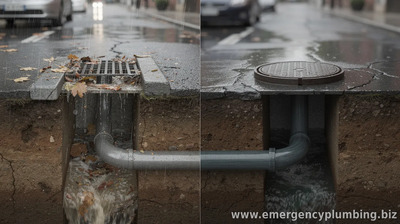
During heavy rain, many flood control systems operate in stages. Drainage infrastructure begins by conveying runoff through culverts and storm drains. As water levels rise, flow-control structures—such as gates, weirs, and tide gates—can limit backflow from rivers or the ocean.
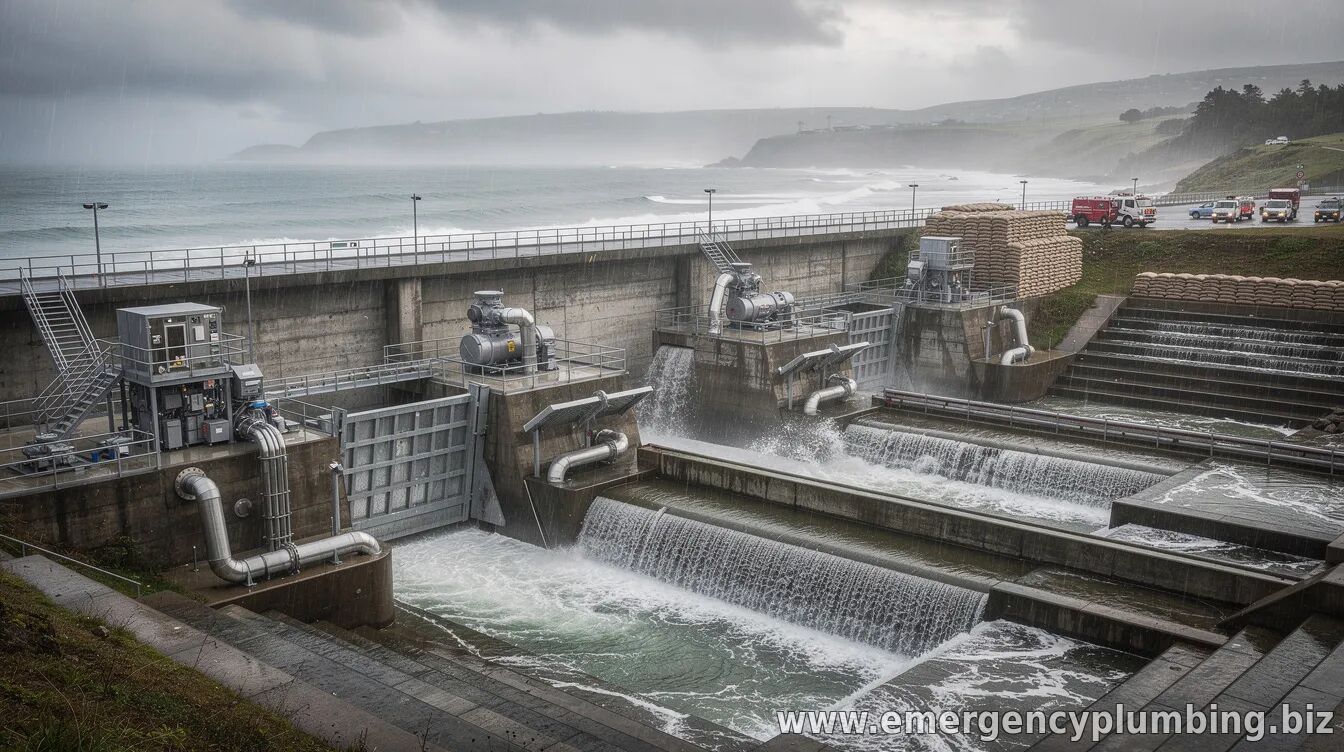
When capacity is exceeded, storage and diversion become critical. Retention basins or designated overflow routes temporarily hold water, while pumped systems can move water from low-lying areas to safer outlets. Where coastal flooding is a risk, barriers may be designed to remain closed during surge conditions, preventing saltwater intrusion into inland channels.
Just as important is what happens after the storm. Many systems include mechanisms to drain stored water gradually, reducing the chance of prolonged inundation. That often depends on rainfall totals, groundwater levels, and the status of nearby waterways at the time the storm ends. Real-world North Shore examples: layered infrastructure in action
North Shore projects typically illustrate a “layered” approach rather than a single-purpose fix. While specific designs vary by community, several patterns show up across real-world deployments:
Together, these elements reduce risk in different scenarios. For instance, a heavy rain event with limited coastal surge may mainly test drainage capacity and storage. A storm with high tide and strong surge may shift the challenge toward backflow prevention, pumping, and barrier performance. Why maintenance and operations matter as much as construction
A flood control system is only as reliable as its operating conditions. Sediment buildup, clogged inlets, vegetation growth, and mechanical wear can quietly reduce capacity over time. That’s why inspection schedules, cleaning programs, and emergency checks are central to many flood mitigation plans.
Operations staff also need clear triggers for when to open or close gates, start pumps, and activate contingency routes. Modern systems increasingly rely on sensors and forecasting to make decisions faster—especially as rainfall intensity can change over short periods.
Just as the weather changes, so does the water. A well-designed network doesn’t assume the same outcome for every storm; it’s engineered to adapt while still protecting neighborhoods and critical services. The bigger lesson: flood control is risk reduction, not risk elimination
Even the best flood control infrastructure can’t guarantee zero flooding during extreme or unprecedented events. But layered design—combining storage, diversion, pumping, and barriers—can significantly reduce how often flooding reaches homes, how deep it gets, and how long residents and responders face disruption.
The North Shore examples reinforce a key point: resilience comes from multiple defenses working together, backed by maintenance and operational readiness. As climate conditions produce heavier downpours and higher sea levels in many regions, that “system thinking” is becoming the standard for new and upgraded flood mitigation.
| |
⏰ Dispatcher support 24/7
📞 224-754-1984CALL ☎ Subscribe 👆 FORUM 🗣
North Shore, Northwest suburbs of Chicago, IL
Next & Previous posts
Related articles: