

3:21 AM Gas vs Electric Water Heaters: Costs and Efficiency | |
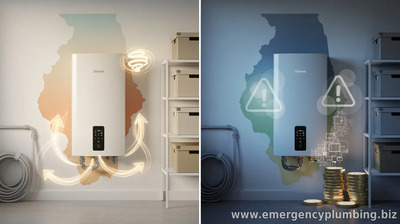
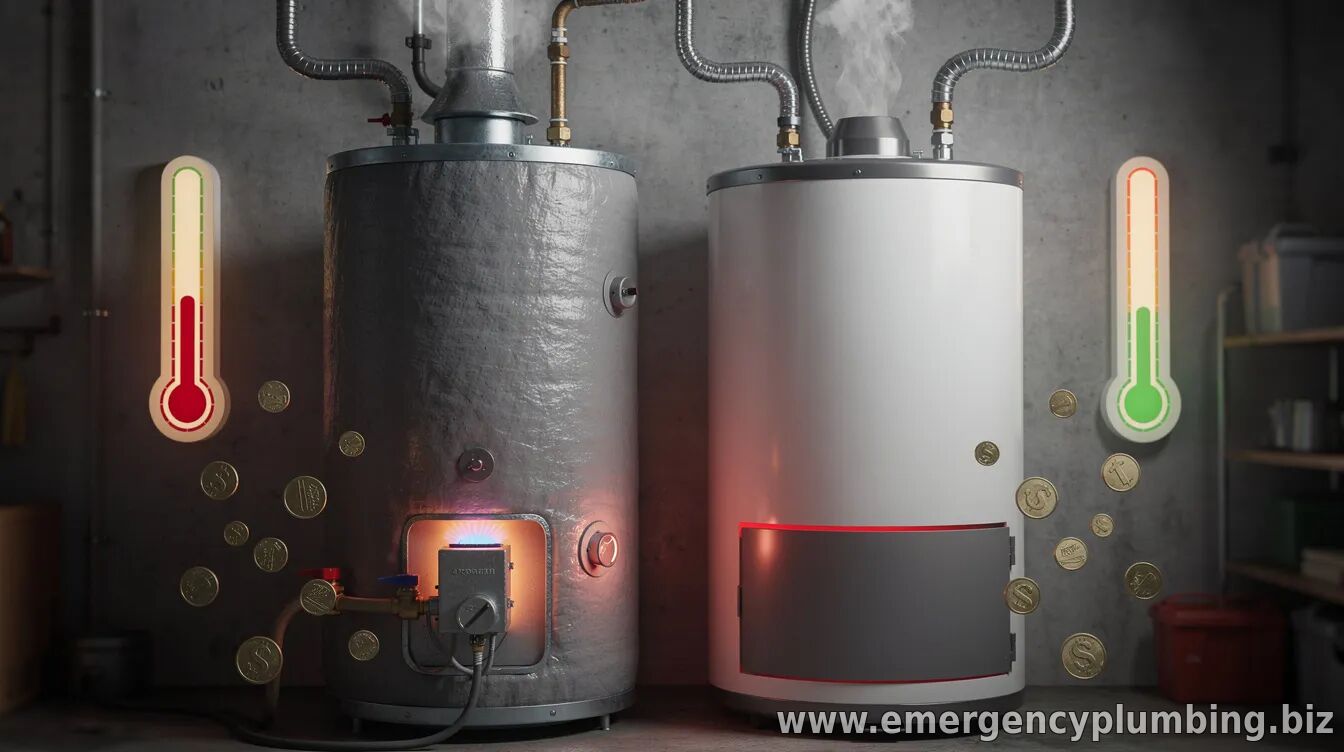
Choosing between a gas and an electric water heater can significantly affect your monthly utility bills and long-term operating costs. Both technologies can provide reliable hot water, but their efficiency and costs depend heavily on local energy prices, system type, and household usage patterns.
For most homes, the comparison comes down to two questions: How efficiently does the unit convert energy into hot water, and what will you pay for that energy over time? Upfront costs: what you pay first
Electric water heaters are typically less expensive to purchase and install because they don’t require venting or a gas line. Common electric options include standard tank models and heat-pump water heaters.
Gas water heaters can cost more initially due to installation requirements such as venting, gas supply work, and safety controls. However, many homes already have gas infrastructure, which can narrow the price gap. Efficiency: where each type can win
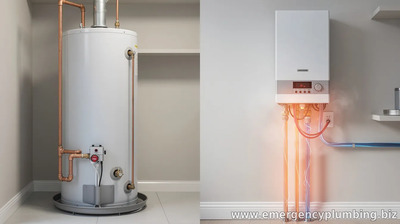
Electric resistance water heaters convert nearly all input energy into heat, but their overall operating efficiency can be limited by electricity pricing. In contrast, gas water heaters may have strong performance, particularly condensing models that capture additional heat from exhaust gases.
Heat-pump electric water heaters are often the efficiency standout among electric options. They move heat from surrounding air into the water rather than generating heat directly, which can reduce energy use substantially in suitable ambient conditions. Operating costs: the fuel-price reality
Gas and electric systems don’t have fixed winners because regional utility rates vary widely. In places where electricity is expensive relative to natural gas, gas water heaters often deliver lower monthly costs. Where electricity is competitively priced—or where a heat-pump unit is available and performs well—electric options can be more economical.
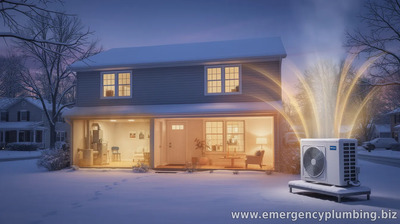
Season also matters. If you live in a colder climate, electric heat-pump performance may decrease when surrounding temperatures drop, potentially reducing savings. Gas units may maintain steadier output regardless of ambient conditions, though their efficiency still depends on model type and maintenance. Recovery capacity and household demand
For large households or homes with high hot-water demand, recovery rate becomes important. Gas heaters often have higher recovery capabilities in many configurations, while electric resistance units may require larger tank sizes or more power. Heat-pump water heaters can provide ample capacity, but their recovery performance may depend on the unit’s design and your usage schedule.
To match the system to demand, consider your number of occupants, typical shower frequency, laundry and dishwasher use, and whether you use the heater consistently or mostly at peak times. Choosing the best option for your situation
If minimizing upfront cost is your priority and your electricity rates are favorable, an electric tank model may be attractive. If you want the best balance of efficiency and long-term energy savings—and you have space and ambient conditions that support it—a heat-pump water heater can be a strong electric choice.
For lower operating cost when gas is inexpensive, a gas water heater—especially a high-efficiency condensing model—can make sense. Whichever route you take, compare the installed cost and estimate lifetime energy use based on your actual utility rates rather than relying on generic averages.
Finally, routine maintenance, correct thermostat settings, insulating blankets or pipe insulation (when appropriate), and timely replacement of aging units can all improve real-world performance and reduce waste.
| |
⏰ Dispatcher support 24/7
📞 224-754-1984CALL ☎ Subscribe 👆 FORUM 🗣
North Shore, Northwest suburbs of Chicago, IL
Next & Previous posts
Related articles: