

0:34 AM Hydro Jetting vs Snaking: Which Drain Method Works? | |
When drains clog, homeowners usually face a quick decision: do they use hydro jetting or drain snaking? Both methods can clear blockages, but they differ in what they remove, how they work, and when they’re the better fit.
Choosing the wrong option can mean repeat clogs, unnecessary disruption, or damage—especially in older plumbing systems. The right answer depends on the cause of the clog and the condition of the pipes. How drain snaking works
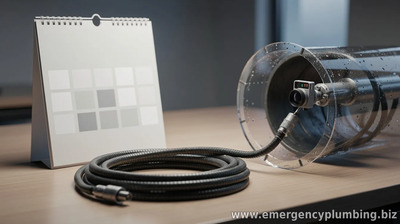
Drain snaking (also called augering) uses a rotating cable or auger that’s pushed into the drain to break up or pull out debris. It’s commonly used for partial blockages and many “right-now” clogs caused by things like hair, small chunks of food, or minor grease accumulation.
Snakes are often effective when the obstruction is localized and can be physically dislodged. They may be less effective if the clog is more like a coating—such as scale, grease layers, or biofilm—that sits along the pipe walls. How hydro jetting works
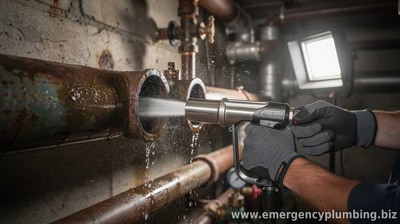
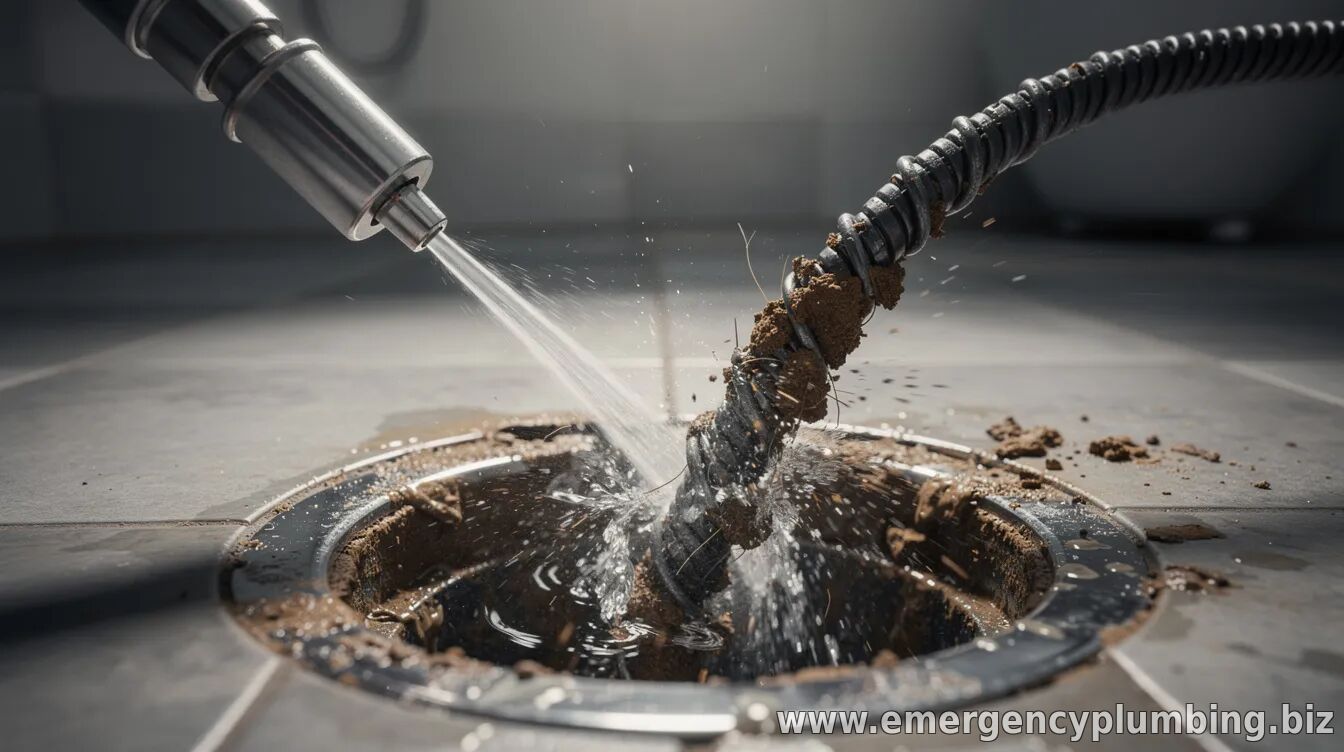
Hydro jetting sends a high-pressure stream of water through the drain line. Instead of just breaking through a blockage, it can help scour the pipe interior to remove buildup and push debris downstream.
Because it targets residue along the pipe walls, hydro jetting is frequently recommended for repeat clogs, known buildup, and situations where a blockage may be the result of gradual accumulation rather than a single obstruction. Which method works better by clog type
Best fit for snaking:
Best fit for hydro jetting:
In many real-world jobs, the “better” choice is a combination: a technician may snake to remove a stubborn obstruction and then use jetting to clean residual buildup. Pipe condition and safety considerations
Pipe material and condition matter. Older, fragile, or severely damaged lines may require caution with high-pressure water. A hydro jet’s strength can help clean effectively, but the risk profile changes if the pipe is already compromised.
By contrast, snaking is generally more controlled when the goal is to physically break and retrieve debris. Still, improper use of a cable can potentially scratch or stress certain pipe types. That’s why experienced professionals evaluate the line and choose the least risky approach for the situation. Long-term outcomes: prevention vs “first clearing”
Snaking is often ideal for getting a blockage out of the way, restoring flow relatively quickly. Hydro jetting is typically stronger for long-term performance because it can reduce the material that leads to future clogs.
If you’re dealing with frequent backups, unpleasant drain odors, or recurring slow drains, hydro jetting is often the more preventive strategy—assuming the plumbing can safely handle it. For one-off clogs, snaking may be the more cost-effective and efficient route. How to decide
For a clear answer, consider three questions: What caused the clog? How often does it happen? And what condition are your pipes in?
If clogs repeat or you suspect buildup rather than a single blockage, hydro jetting usually provides a deeper clean. If the blockage seems localized and debris-heavy, snaking may solve the immediate issue with less complexity. In many cases, professionals recommend inspecting the line (often via camera) to confirm the cause before choosing.
Ultimately, the best method is the one that clears the problem safely and reduces the likelihood of recurrence—based on your specific drain situation, not just the name of the tool.
| |
⏰ Dispatcher support 24/7
📞 224-754-1984CALL ☎ Subscribe 👆 FORUM 🗣
North Shore, Northwest suburbs of Chicago, IL
Next & Previous posts
Related articles: