

2:34 AM Heat Pump vs Furnace: Illinois Winter Savings Guide | |
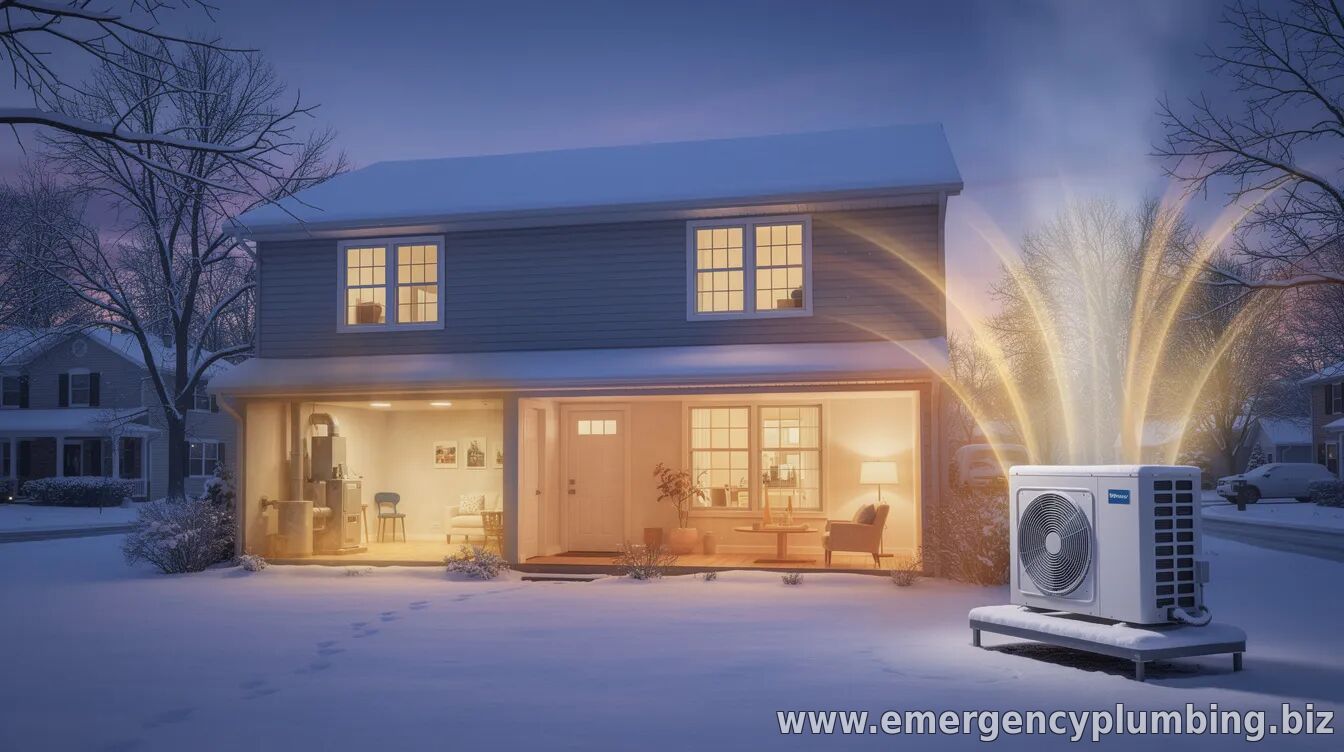
Illinois winters can swing from chilly to brutally cold, and that volatility is exactly why choosing between a heat pump and a furnace isn’t a one-size-fits-all decision. The short version: heat pumps often save more in moderate weather, while furnaces can be more economical (or more dependable) during deep cold—depending on utility pricing and equipment efficiency.
Below is a practical, news-style breakdown of what matters most for your bill, what to watch for, and how to estimate your likely savings in the Land of Lincoln. 1) The core difference: how each system produces heat
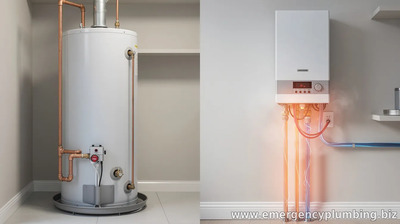
A heat pump moves heat from one place to another (typically pulling heat from outdoor air even when it’s cold) and delivering it indoors. When outdoor temperatures drop, it may use an auxiliary heat source—often electric resistance—to keep the home comfortable.
A furnace generates heat by burning fuel (usually natural gas or propane) and blowing warm air through ducts. In the coldest stretches, furnaces generally keep producing strong heat without relying on electricity-based backup. 2) Illinois cost reality: electricity vs natural gas pricing
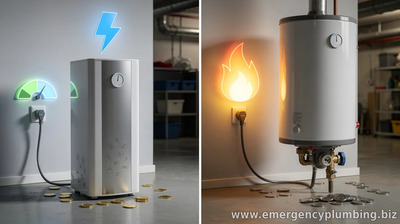
The most important factor for “which saves more” is the relationship between your electricity rate and natural gas rate (often expressed as $/therm). Heat pumps can be very efficient, but if electricity is costly relative to gas, operating costs can rise—especially during periods when a heat pump’s auxiliary heat kicks in.
In contrast, furnaces convert fuel to heat efficiently for natural gas service, and many Illinois homes can achieve stable performance during extreme cold. That often makes furnaces the better bet when electricity is expensive or when you expect frequent deep-freeze operation. 3) Efficiency and sizing: the “make or break” variables
Both systems are highly sensitive to sizing and efficiency. A heat pump that’s oversized or undersized can lead to higher cycling losses or more frequent auxiliary heat. Likewise, an older or poorly maintained furnace may run less efficiently due to clogged filters, dirty burners, or air leakage.
For heat pumps, also look at the unit’s performance in colder temperatures (commonly reflected by HSPF/SEER and cold-weather capacity). For furnaces, efficiency is typically rated by AFUE. In either case, correct installation and duct sealing can meaningfully change real-world costs. 4) How weather and usage patterns affect savings
Illinois’s winter isn’t constant. During milder days (think above roughly freezing to the mid-30s Fahrenheit), heat pumps tend to shine because they can extract usable heat outdoors. But as temperatures drop further, the heat pump’s ability to extract heat declines, and auxiliary heat may increase runtime.
If your thermostat setpoint is steady and your home is well insulated, a heat pump may maintain comfort efficiently. If you frequently run at higher setpoints, keep the home at constant high heat demand, or have drafty rooms, a furnace may become the lower-cost option during the coldest weeks.
To judge your likely outcome, consider this rule of thumb: heat pumps tend to win when they can do most of the heating themselves; furnaces tend to win when electric backup becomes common. 5) What to check before deciding
Before picking a system—or deciding whether to switch—you can reduce uncertainty by gathering a few data points and asking the right questions during quotes.
Many contractors can run a simple cost estimate using local weather assumptions and your rates, sometimes with tools that estimate annual heating cost by system type. Bottom line for Illinois: a likely “split decision”
For many Illinois households, the most economical path is often a high-efficiency heat pump strategy paired with smart control settings—using auxiliary heat only when necessary. However, if electricity is relatively expensive in your area, or if your home has a high winter heating load that would force frequent auxiliary operation, a furnace (or a furnace-plus-heat-pump setup) may come out ahead.
If you want the fastest way to decide, compare expected annual heating cost using your actual utility rates and a realistic model of how cold days will affect heat pump auxiliary heating. That approach typically produces a clearer answer than “heat pumps are cheaper” or “furnaces are cheaper” generalizations.
| |
⏰ Dispatcher support 24/7
📞 224-754-1984CALL ☎ Subscribe 👆 FORUM 🗣
North Shore, Northwest suburbs of Chicago, IL
Next & Previous posts
Related articles: