

5:18 AM After a Basement Flood: Immediate Actions & What to Avoid | |
A basement flood can escalate fast—standing water can damage flooring, wiring, and insulation within hours, and it can also carry contamination. The safest approach is a clear order of operations: protect people first, then stabilize the environment, then begin controlled cleanup and drying.
1) Make the area safe before you do anything else. If the flood involved sewage, storm runoff, or unknown sources, treat it as contaminated. Keep children and pets away, avoid walking through water if you suspect electrical hazards, and use protective gear (water-resistant boots, gloves, and a mask/respirator rated for particulates when drying and debris are involved).
2) Shut off power only if it’s necessary and safe. Turn off the electricity to the affected area at the main breaker if you can do so without approaching standing water. If outlets, appliances, or wiring may be wet, do not touch them—call a licensed electrician or your utility for assessment. Do not use wet appliances or plug in fans/dehumidifiers until the electrical situation is confirmed safe.
3) Remove valuables and move what you can—without risking damage or injury. If items are dryable and reachable safely, lift them off the floor. Prioritize documents, electronics you can move safely (dry hands, unplug and don’t touch wet cords), rugs that can be taken out quickly, and anything porous that can be separated from contaminated water. Avoid dragging heavy items across wet drywall or electrical panels.
4) Identify the water source and the contamination level. Clean “fresh” water from a burst pipe is handled differently than sewage or floodwater. This affects what you can save, what needs disposal, and whether you may need professional remediation. When in doubt, classify as contaminated and assume porous materials may need to be removed.
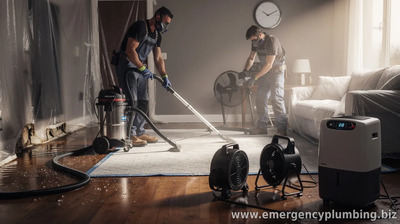
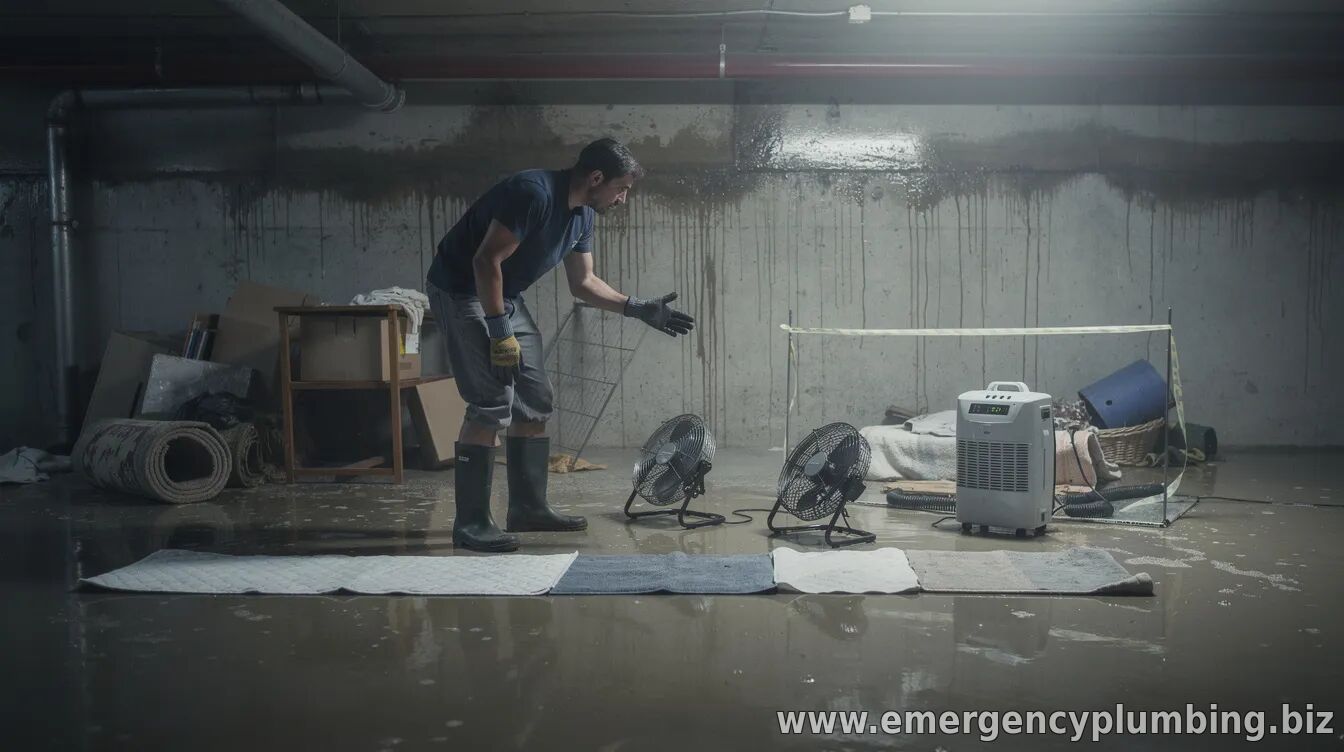
5) Begin controlled cleanup and water removal. Pump out water if you can do so safely, and remove standing water promptly. As you clean, wear appropriate protection and avoid making dust. Use clean water for rinsing surfaces only after contamination concerns are addressed. If materials are soaked for a long time, surface cleaning alone may not be enough—mold risk increases as materials stay wet.
6) Dry aggressively—but thoughtfully. Use dehumidifiers and fans to speed drying, aiming for thorough drying of floors, subfloors, and wall cavities when possible. Keep interior air moving, but monitor humidity and check hidden areas. If you see ongoing dampness, stop and investigate before proceeding.
7) What not to touch: common mistakes that worsen damage. Do not touch or operate outlets, breakers, appliances, or cords that may be wet. Avoid removing drywall unless you’ve assessed electrical and plumbing safety and understand how far moisture has traveled. Don’t stir up contaminated mud or debris without protection. Avoid “drying” with heaters or unvented methods that could spread contaminants or create fire hazards. Finally, don’t assume you can keep wet insulation, carpets, or ceiling materials—once soaked and slow to dry, these often require removal.
When to call for help. If there’s sewage involvement, extensive flooding, significant electrical impact, or the water reached structural components (like wiring runs, major wall cavities, or multiple rooms), professional remediation is often the safer and faster path. A qualified team can verify what’s contaminated, remove materials appropriately, and implement drying standards that reduce mold risk.
By following an orderly sequence—safety first, then power verification, then water removal and drying—you can limit damage and protect your household. If you’re unsure about contamination or electrical risk, pause the cleanup and get expert advice before touching anything in the affected area.
| |
⏰ Dispatcher support 24/7
📞 224-754-1984CALL ☎ Subscribe 👆 FORUM 🗣
North Shore, Northwest suburbs of Chicago, IL
Next & Previous posts
Related articles: